How Children Fail

…thus  we find ourselves trying to poke certain facts, recipes, and ideas down the gullets of every child in school, whether the morsels interest him or not, and even if there are other things that he is much more interested in learning.

These ideas are absurd and harmful nonsense. We will not begin to have true education or real learning in our schools until we sweep this nonsense out of the way. Schools should be a place where children learn what they most want to know. The child that wants to know something remembers it and uses once he has it; the child who learns something to please or appease someone else forgets it when the need for pleasing or the danger of not appeasing is past. This is why children quickly forget all but a small part of what they learn in school. It is of no use or interest to them; they do not want, or expect, or even intend to remember it. The only difference between bad and good students in this respect is that the bad students forget right away while the  good students are careful to wait until after the exam. If for no other reason, we could well afford to throw out most of what we teach in school because the children throw out almost all of it anyway. John Holt, How children Fail, 1964

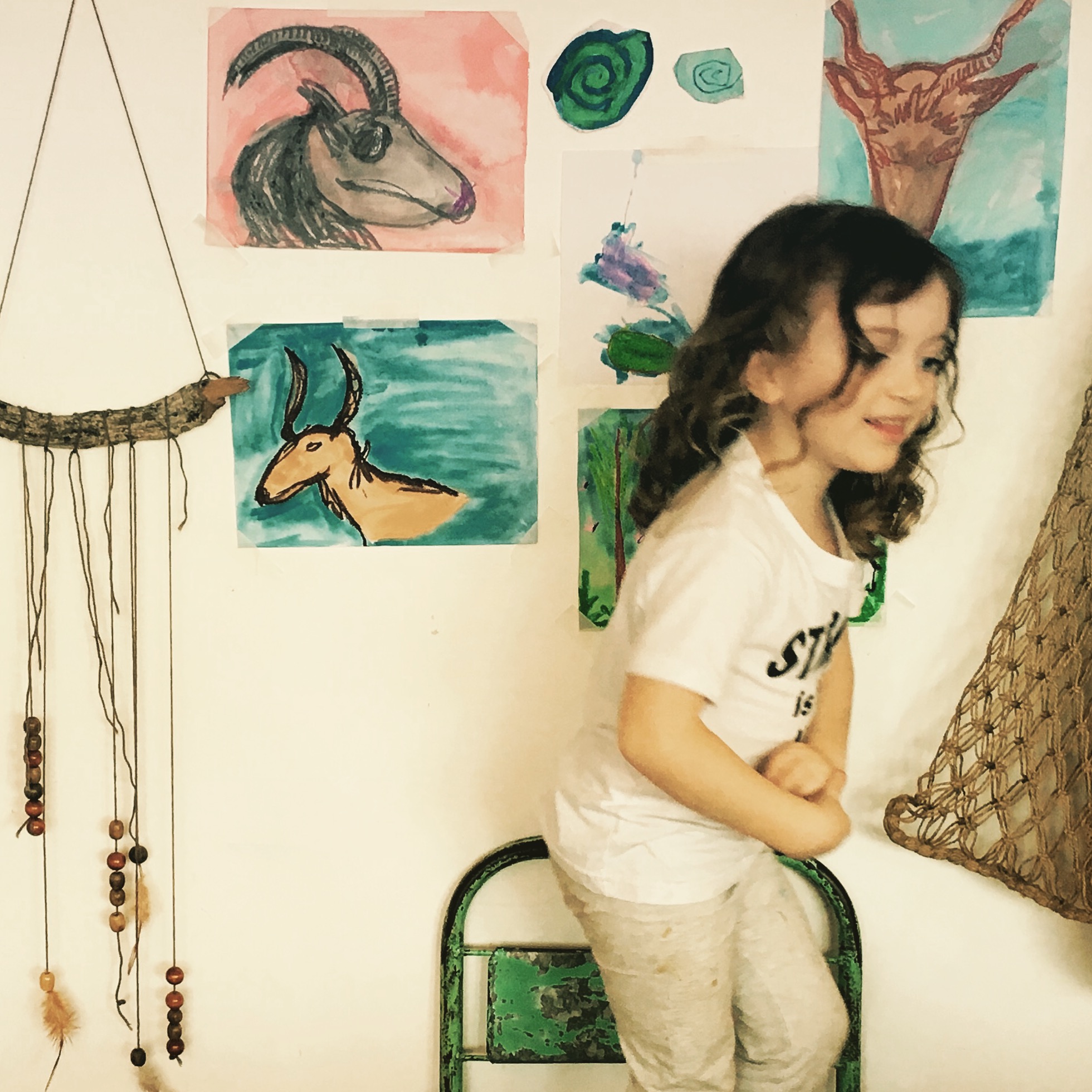
I know, I am unrelenting in my passion towards changing the way children are educated. I also realise that the very idea that the school system may not be working for our children, is just too hard to even contemplate for most. We have come to rely on the ‘system’. We have come to expect that this is the way, the only way our children can learn, therefore be educated, and have a successful life. This system has become so normal and so accepted, that to veer in any other direction is met with disturbing scrutiny. Nevertheless, many brave ones are tempting the path, and heading themselves towards uncharted waters.  We are a part of this movement. Not just because we love Autism too much to conform it out of our children but because we are simply not willing to conform our children to fit a broken system.  We are moving towards empowering our children rather than suppressing them. Moving in a direction of allowing, rather than controlling their minds and bodies.  Trusting that they have the ability to learn what it is they require to know at any given time. Much the same way we trusted that they would recognise us when they were born, or learn to walk and talk without our forced instruction.  Most important, understanding that they are not here to fulfil any requirements of my ideas of what they should be doing with their lives. This is not a new notion. There has been a quiet progressive movement towards this for a really long time. A.S.Neill founded Summerhill School, the first ‘free to learn’ school, in 1921 and the Sudbury Vally School in Massachusetts has been successfully running since 1968. Many more have been successfully modelled on this idea of educating.  The idea of allowing children to be free to be who they are, embrace what they want, and learn in a way that comes naturally and supports their thriving, is not really as radicle as it may seem. There continues to be an unassuming movement towards freeing children from the grips of the industrialised school systems. This unyielding movement is steadily growing and I assume will keep on growing as parents become less and less contented in allowing the detrimental failings that schools are  having on large proportions of children.

SaveSave

SaveSave

SaveSave

SaveSave

SaveSave

SaveSave

SaveSave

SaveSave

SaveSave

thinking on tippy toes

img_8373 img_8378 img_8376 img_8377 img_8375 img_8374


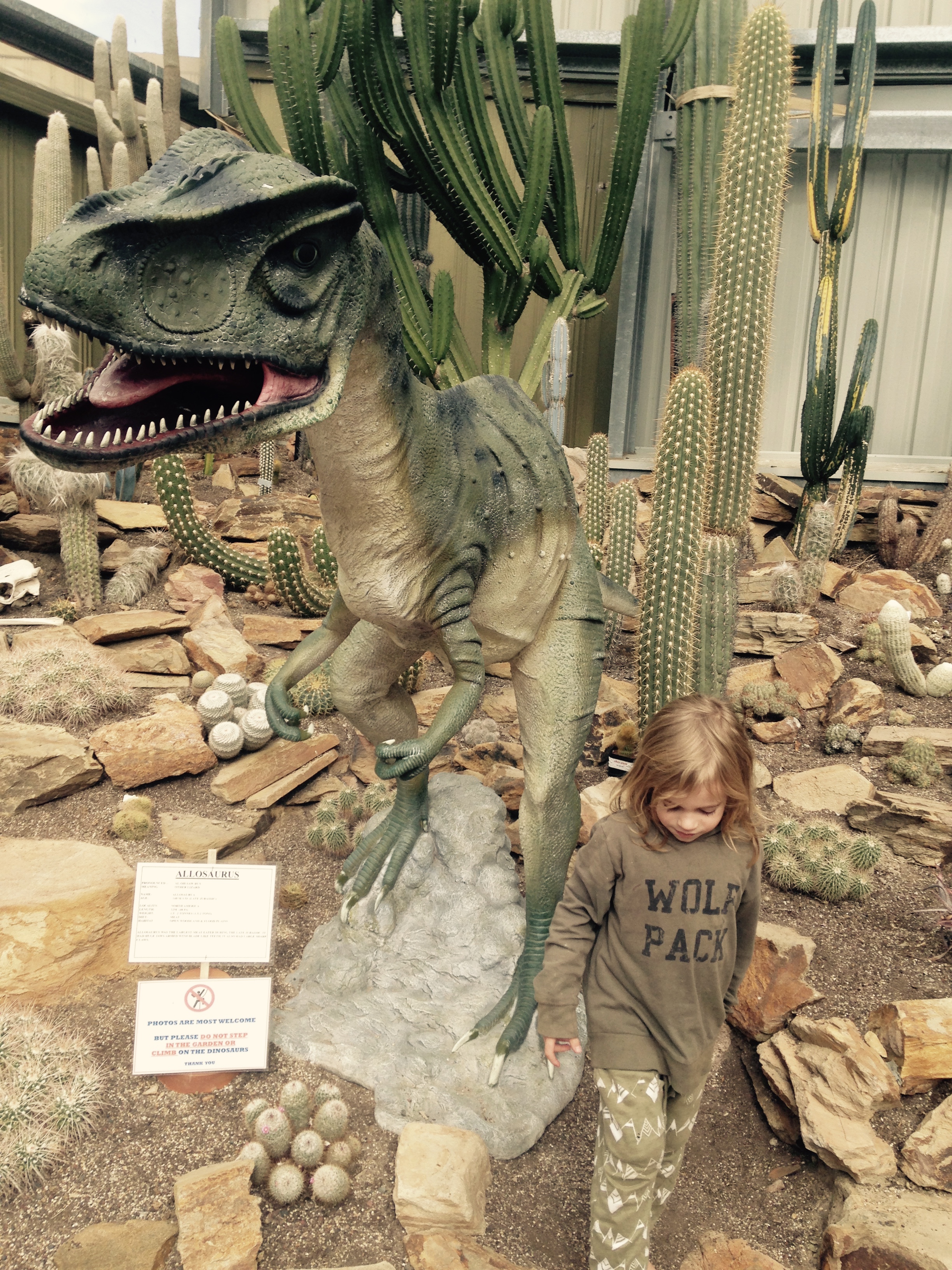
This is what i intrinsically believe learning to be for him.  Thinking requires immense bodily  movement. Walking, talking, bare feet and tippy toes.  Thought forms are  spoken out loud with tremendous enthusiasm and with repetition to anyone who is readily available to listen. He will do this until it makes picture perfect sense, to him. And sometimes it is absolutely necessary for him to move to higher spaces, where the air is somewhat clearer. Floor play is the preferred play way where chairs and tables are rarely sat in for extended periods of time and if they are he prefers not to sit down in the traditional sense. He moves to the freedom of how he is feeling and there are no forced days he is required to fit into. He is moving completely at will, and to the flow of himself.    Everything requires  a curious explanation with the discussion beginning first thing in the morning and continuing the entire day. There aren’t really any schedules or rules to follow, except eat when you are hungry, rest when you are tired, bathe when you’ve changed colour and if you can make it yourself, then you should.  This is what free learning for him means and as he embarks on his learning adventure, he won’t be constricted to rooms, spaces, furniture or shoes.  His body will remain as free to move with him as his mind is. He can think out loud, as loud as required without disturbing anyone. He can speak his thoughts as they arise without needing to pause and wait until appropriate discussion periods are allocated. This point is particularly important to note as often his thoughts and ideas that arise during conversation require additional verbalization for it to make sense to him and necessary if you are wanting him to retain the information for further learning at another stage. Often if waiting is required even for short moments, the ideas and the words chosen for the communication are unfortunately, usually lost.  His contribution to his learning is on going, and most importantly moves to his unique flow. He is learning to collaborate with people, not of just the same age and or development but from the many ages he is surrounded by. And like adults he choses who to engage with not by age but by the more natural laws that attract people to each other.    He is fortunate in not  being confined to only the experience of five year old minds. He partakes in the wild and expansive imaginations of his younger and older siblings, in a kind of play based learning that if acknowledged and rightly valued, should continue way past pre school years and will undoubtably continue to serve them all for the entirety of their lives. Materials that are usually phased out during the primary school years will most likely remain in our learning experience. We won’t be out growing our home corner, by the age of 6. Home Economics will grow and expand as he does. He will be able to learn math and operate the washing machine. We will learn about anything and everything that he arises interest in and we will learn it in a way that we have advanced to. There are few rules and no time limits allocated to any one subject. Everything can be interwoven and overlapped and expanded if there is freedom in learning.   I know, there are schools like this that exist. Learning environments that are willing to take the alternative way towards educating our children, one that nurtures individuality and inspires curiosity and most of all  values children’s innate ability to know what it is they are wanting to learn and know about at any given stage. And even though there are a few, it’s not many. And we are needing many. We are requiring this approach of educating to no longer be the alternative approach and  in retrospect only available to a handful of children but rather how unprecedented would it be to integrate this alternative way into the whole. And allow our children to truly lead the way in their learning abilities.