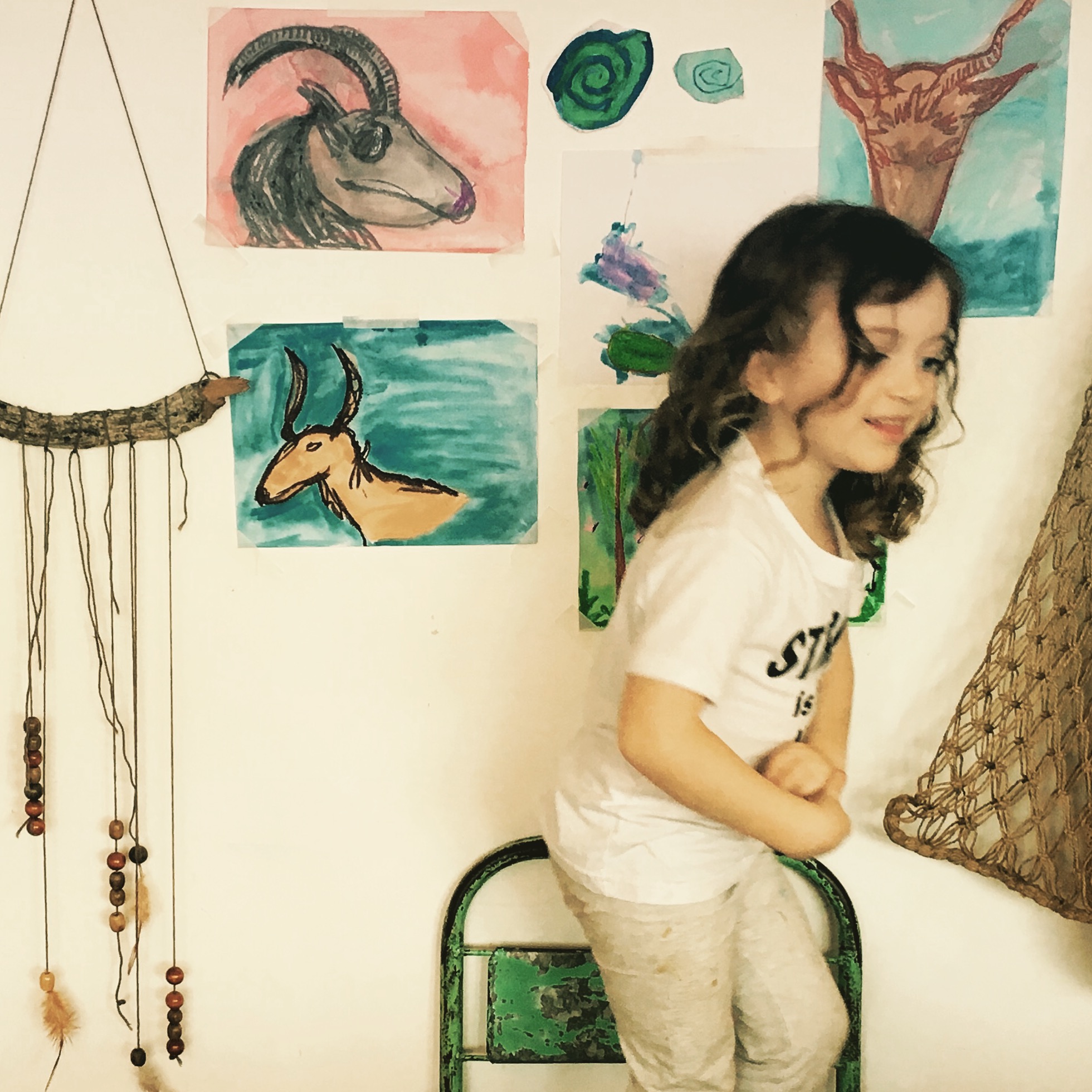
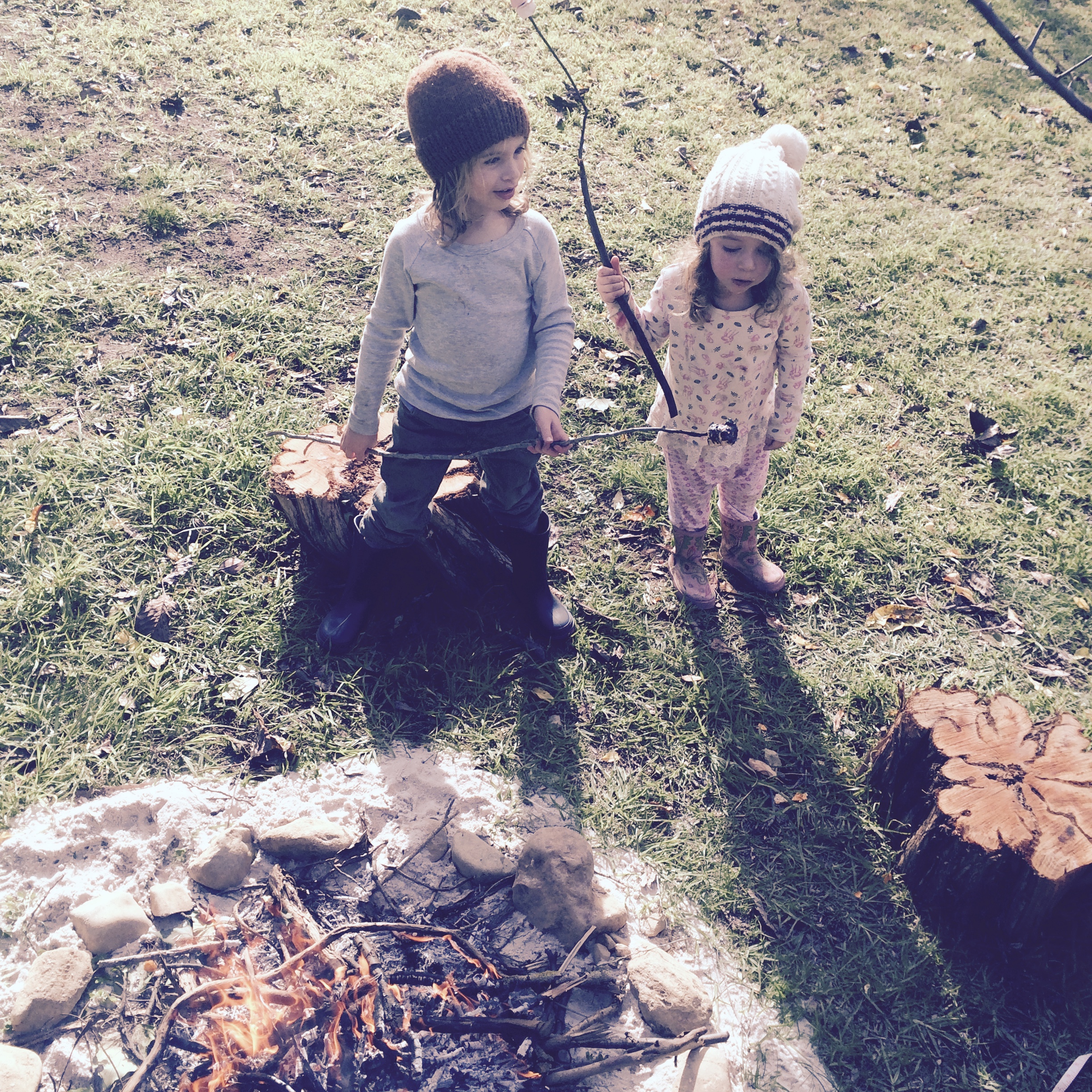
..a deeply limited observation, a tiny infraction of sorts

“Where running our of words to describe things.” Tyson Yunkaporta

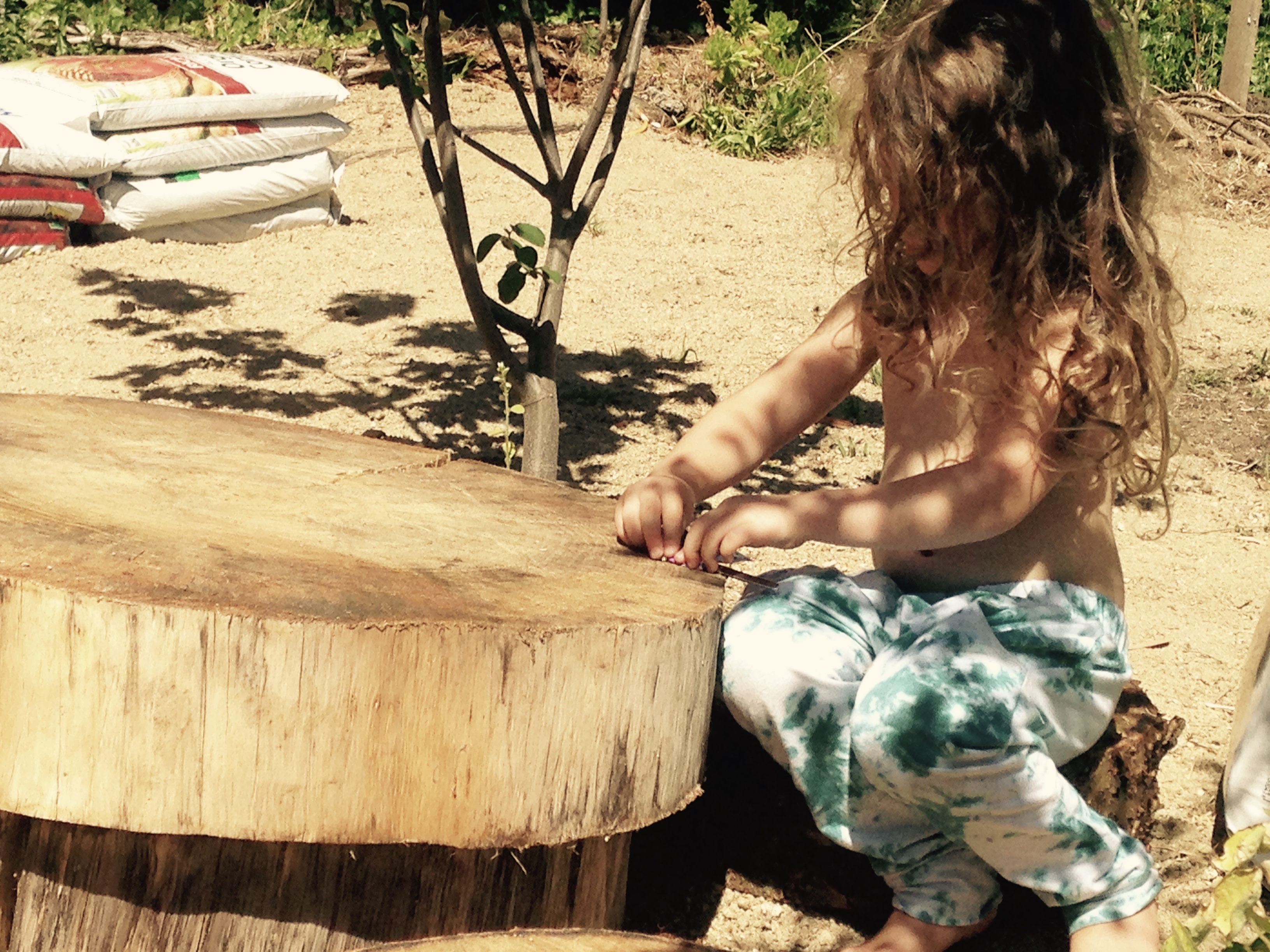
He is not just thinking in spaces of here, nor in places that are concrete and known by the matter of what we assume to be fact and certain. A red chair is a red chair that sits before me. He’s not just thinking with his own mind in the solitude of self, individualised and seperate as it seems, in body and space. He is not thinking alone like this. He holds access to a magnitude of worlds, of universes, of things that perhaps cannot be known about or seen or touched by us from this point of time or from this point of reference. He, at times whilst in the thoughts of all that cannot be seen or touched, moves in a systematic dance with his hands. Visually sifting and sorting out the invisible threads of creation that contain the fabric of the unseen worlds. He has no real name for this, but his look assures me it must be done. He is not really all here but neither is he all there, where ever there is. He floats in the mystery of this space not really fitting anywhere. He comes not wholly in the light nor from the depths of darkness, but sits within the equanimity of both, which he says is a shade of purple and is where he needs to be, no matter how I try to lean him futher into the light of grace. There are things he says, are not for me to know. So I let them be between him and his God. It would seem that he is here to do things that are not really of this world at all. He seems to be working from some other unknowable space or perhaps place. He seems to be doing something here, that possibly matters, that is possibly necessary, yet it remains in the unseen, it is not tangible, cannot be recognised or commended and proudly acknowledged, there’s no certification for work like this. At this point, it would be more rational to disregard, to disorganise his innate, organic organisation, to attempt to undo his unusual invisible doings, to dismiss his hand dances as repetitive self stimulatory behaviours, or so it would seem. Yet, the small voice of my own knowing says that what he does, must be done. That this is not mine to contain, name or control. It is not even mine to understand. Do you suppose that maybe nothing needs to be imposed here?

changing the paradigms

As my two wilder ones are embarking on their journey of natural learning and self-directed education, my oldest son is finalising his, on the mainstream path.  It’s been a long tedious road, and i can’t say its been worth it. If only i had realised all that i do now, we may have never let that story play our for so long. So much of this path or knowing we have found ourselves travelling on comes from Trust. Trusting myself to know what is best for my children and trusting my children in that they also know what is best for themselves.

My son is excited, really excited. He has no idea what he wants to do, but the possibilities that await and the fact that he can now choose for himself has made him ecstatic. Most might be uncomfortable sitting in the ‘unknown’ with their children’s next move. Most would feel a pressure in wanting them to have an idea or an answer. Most would not be alright in their child just pausing to find their feet or in them seeking out their own fire.

There is no plan that’s set in stone for us, and we have no intention of forcing any learning upon him anymore that holds no interest for him.  We have learnt the hard way, that this rarely works and its more that likely that the information and possibly the skills that we believe are relevant to now, will be more than likely be irrelevant in the future anyway.  Right now what is important for this new venture my son is embarking on is that he regains his passion for learning, not for the sake of meeting some  regulation, or somebody elses ideas of what he should be doing in his life, but for himself. His passions, his ideas and adventures for his life are his to own and pursue, that freedom is his right. School for him has been what has denied him this basic right, for the last ten years.

Now, he will have the freedom to explore what ever it is he is drawn to in this moment. There simply is no need or expectation for him to have it all worked out just yet. It’s absurd, that this has become the ‘norm’ within the realms of the educational system.  There will be times, when the space isn’t filled. There will be more time spent now, where he is not in the position of being ‘directed’ or ‘told’ what to do than ever before in his life. There will be some ‘uncomfortableness’ here, and an uneasiness in this freedom this brings.  Why is it we fill children up from such a young ages, leaving no room for boredom or self discovery; always keeping them ‘productive’ and ‘doing’ in their lives, and in turn keeping them the furthest from discovering their own desires. The longer children are kept within these reins, the longer it takes for them to find their way back towards what it is that they truly desire for themselves. Usually it’s not until, there is enough time left  ‘unfilled’ and free from the direction and ideas of others that they can truly begin to discover this for themselves.

The process of unfolding everything  ‘school’ has made an imprint on, will be long. It will require, patients in the transitioning from being schooled to one where he has the freedom to move in his own life. He will no longer be forced to endure long sessions of dictation on subject matters that have little to no relevance him. He will no loner be conditioned when to eat, speak, sit, stand or listen and if he needs use the bathroom now, he wont be degraded in to having to ask for permission.

So as for the restlessness that most likely will arise at times in the ‘Not’ being consistently told what to do, there’s also going to be a great beauty in bearing witness to my son discovering for the first time the things that truly drive him for the journey of his own life.


SaveSave

SaveSaveSaveSave

SaveSave

SaveSave

SaveSave

SaveSave

SaveSave

SaveSave

SaveSave

SaveSave

a community for home and unschooled kids

“It is hard to swim against the current and risk the negative judgments of parenting peers. Yet, some do, and if enough begin to swim upstream, the river may change its flow.” –Peter Gray, Free to Learn

Thats what we are doing. Bravely and confidently we are swimming up-stream, embarking on a new adventure for educating children. We are doing this because we truly believe that the current systems of mainstream education are fundamentally ‘not working’ for the diversity of all children. There comes a time when it become necessary to move away from what has been done before if it doesn’t innately feel right to be moving in that direction anymore.

“Today most people think of childhood and schooling as indelibly entwined. We identify children by their grade in school. We automatically think of learning as work, which children must be forced to do in special workplaces, schools, modeled after factories. All this seems completely normal to us, because we see it everywhere. We rarely stop to think about how new and unnatural all this is in the larger context of human evolution and how it emerged from a bleak period in our history that was marked by child labor and beliefs in children’s innate sinfulness. We have forgotten that children are designed by nature to learn through self-directed play and exploration, and so, more and more, we deprive them of freedom to learn, subjecting them instead to the tedious and painfully slow learning methods devised by those who run the schools.” –Peter GrayFree to Learn

We are beginning a community for home and unschoolers to come together. We are creating such a place  ourselves because there are no such facilities for kids to regularly be together, who are on these new paradigms of education. And even though, I’m referring to this path of education as ‘new’, it’s really not ‘new’ at all. Free to learn schools have been around and successfully operating since The Summerhill School was first founded in 1921.  This model of schooling, whilst now is still seen as ‘radicle’ and alternative, is what I believe our futuristic education models will be based on and the direction they will begin to move in, eventually.  Why do i think this? Because there is a movement towards this. Parents are not content with the old system because children are not content within the system. It has become clear to those ready to see it, just how much children have outgrown the system already and how exceptionally hard it is to keep themselves ‘happy’ within it. This is why they can’t sit still. This is why we have more diagnosed ADHD now than ever before. If children were free to move, speak, play, eat, rest, run and even shout as their bodies needed,  ADHD wouldn’t be a problem. It wouldn’t need to be medicated. It probably wouldn’t even be noticed. Then the masses of children referred to as having “abnormal behaviours” thereupon become “normal” children once again. If you believe there is such thing that is.

Our idea for education is free from conformity, free from authoritarian fear based learning. Our community will fundamentally from a grass-roots level wholeheartedly trust children in their abilities to know what it is they need to learn about  without being restricted by the confinements of their age. Much the same way we trust toddlers will begin to talk by themselves. We don’t sit them down for hours of instruction, to teach them the spoken word. We just live, talk and play with them, and we instinctively know that the words will form by themselves and in time will be mastered, when they are ready of course.   Children learn better through experience, most would agree with this. If you can offer children experience in what interests them, they not only will learn about it more authentically but more important it facilitates the way for a love of learning. So much of ‘mainstream’ school is, consciously or not working against this philosophy.

“Human beings have been sharing information and skills, and passing along to their children whatever they knew, for about a million years now. Along the way they have built some very complicated and highly skilled societies. During all those years there were very few teachers in the sense of people whose only work was teaching others what they knew. And until very recently there were no people at all who were trained in teaching, as such. People always understood, sensibly enough, that before you could teach something you had to know it yourself. But only very recently did human beings get the extraordinary notion that in order to be able to teach what you knew you had to spend years being taught how to teach.” -John Holt, Teach Your Own

There is a saying “If there’s a book that you want to read, but it hasn’t been written yet, then you must write it.” [Tony Morrison] Thats what we are doing. We are rewriting the story. We will do this because we are a small part of an important movement that knows we must because it has become vitally necessary for the well being of our children.

SaveSave

SaveSave

SaveSave

SaveSave

SaveSave

SaveSave
schools of trust

“Like cattle most humans live and die in passive subjection..We live lives locked into narrow patterns, often filled with great suffering and it never occurs to us that we can actually become free.” -Samadhi

“My dream of course is that we give up these dreadful authoritarian prescribed hateful state systems that clearly everybody agrees.. are obviously failing..”[Derry Hannam, retired school inspector]  We are so afraid of giving children the freedom they deserve in being the driving force for their own education, that we are doing them an incredible injustice in their opportunities for true learning and for their lives.  This is not what children want or need anymore and It is not what is valuable for our futuristic world either.

“We need young people who are independent, who are responsible for themselves,…who can work without strict leadership, we need young people and employees who can think outside of the box. Thats what we need. Everything that our schools don’t allow. It what companies need. It’s what science needs. Its whats needed everywhere.”  [ Jesper Juul, author ]

How Children Fail

…thus  we find ourselves trying to poke certain facts, recipes, and ideas down the gullets of every child in school, whether the morsels interest him or not, and even if there are other things that he is much more interested in learning.

These ideas are absurd and harmful nonsense. We will not begin to have true education or real learning in our schools until we sweep this nonsense out of the way. Schools should be a place where children learn what they most want to know. The child that wants to know something remembers it and uses once he has it; the child who learns something to please or appease someone else forgets it when the need for pleasing or the danger of not appeasing is past. This is why children quickly forget all but a small part of what they learn in school. It is of no use or interest to them; they do not want, or expect, or even intend to remember it. The only difference between bad and good students in this respect is that the bad students forget right away while the  good students are careful to wait until after the exam. If for no other reason, we could well afford to throw out most of what we teach in school because the children throw out almost all of it anyway. John Holt, How children Fail, 1964

I know, I am unrelenting in my passion towards changing the way children are educated. I also realise that the very idea that the school system may not be working for our children, is just too hard to even contemplate for most. We have come to rely on the ‘system’. We have come to expect that this is the way, the only way our children can learn, therefore be educated, and have a successful life. This system has become so normal and so accepted, that to veer in any other direction is met with disturbing scrutiny. Nevertheless, many brave ones are tempting the path, and heading themselves towards uncharted waters.  We are a part of this movement. Not just because we love Autism too much to conform it out of our children but because we are simply not willing to conform our children to fit a broken system.  We are moving towards empowering our children rather than suppressing them. Moving in a direction of allowing, rather than controlling their minds and bodies.  Trusting that they have the ability to learn what it is they require to know at any given time. Much the same way we trusted that they would recognise us when they were born, or learn to walk and talk without our forced instruction.  Most important, understanding that they are not here to fulfil any requirements of my ideas of what they should be doing with their lives. This is not a new notion. There has been a quiet progressive movement towards this for a really long time. A.S.Neill founded Summerhill School, the first ‘free to learn’ school, in 1921 and the Sudbury Vally School in Massachusetts has been successfully running since 1968. Many more have been successfully modelled on this idea of educating.  The idea of allowing children to be free to be who they are, embrace what they want, and learn in a way that comes naturally and supports their thriving, is not really as radicle as it may seem. There continues to be an unassuming movement towards freeing children from the grips of the industrialised school systems. This unyielding movement is steadily growing and I assume will keep on growing as parents become less and less contented in allowing the detrimental failings that schools are  having on large proportions of children.

SaveSave

SaveSave

SaveSave

SaveSave

SaveSave
SaveSave
SaveSave
SaveSave

SaveSave
true learning

“One is that school and society have programmed us to think our personal worth depends on how we are evaluated by others, and that our status is defined by our rank within an institution or society. Another very important habit that needs eliminating is thinking: ‘Life is a process of graduating from one externally-provided program to the next.’ – Conrad P. Pritscher, Einstein and Zen 
I am at ease with my children taking the lead when it comes to what they are wanting to do. I simply don’t feel that there should be any rush towards any one objective that needs to be reached in a particular time frame. I am not holding their development to any preconceived ideas of what they should know. This is not the way i have always moved. For the most part i have been a follower of the ‘normalised route’ when it comes to educating children.  Had it not been for the witnessing of the unfolding of my older children’s educational experience, it’s highly likely that i still would be following the more ‘traditional’ paths so many are accustomed to. Are we primitive in our thoughts about this process? Are we at the stage where we are willing to question it yet?  Or, does is it seem too big, too hard to fathom, that possibly this system that is so heavy relied upon and trusted, could in fact be far more detrimental to our children’s spirits and abilities to learn than we are willing to admit.  I’m not entirely sure what exactly or who rather that we are entrusting them to anymore.  It seems it is somewhat a political game, and is far from focused on the intricate details of what is required for children to thrive in their learning spaces. Our children are spending the greater part of their childhood growing within this system. It would be somewhat naive, if you believe that during this time, that they’re not being deeply shaped and affected by those who they are surrounded by in their day to day lives.  The greater part of children’s productive waking time is spent within the school domain, and as unsettling as it may be, the predominate influence in regards to what children believe about themselves and their abilities to learn has become that of their educators and peers. Children are taught very quickly that mistakes are wrong to make, that making mistakes will amount to failure, and failure inevitably is how they will learn to feel about themselves. This message is undeniable and very difficult for a parent to convince them of otherwise when the message is reinforced again and again over long periods of time. It’s a familiar pattern in modern teaching now, it’s become normalised and is somewhat expected.  Whether or not we should be accepting it for our children, is the question that we should be asking now.

“Once compulsory systems of state-run schools were established, they became increasingly standardized, both in content and in method. For the sake of efficiency, children were divided into separate classrooms by age and passed along, from grade to grade, like products on an assembly line. The task of each teacher was to add bits of officially approved knowledge to the product, in accordance with a preplanned schedule, and then to test that product before passing it on to the next station.” –Peter Gray, Free to learn


raising outrageously tall poppies of a new kind

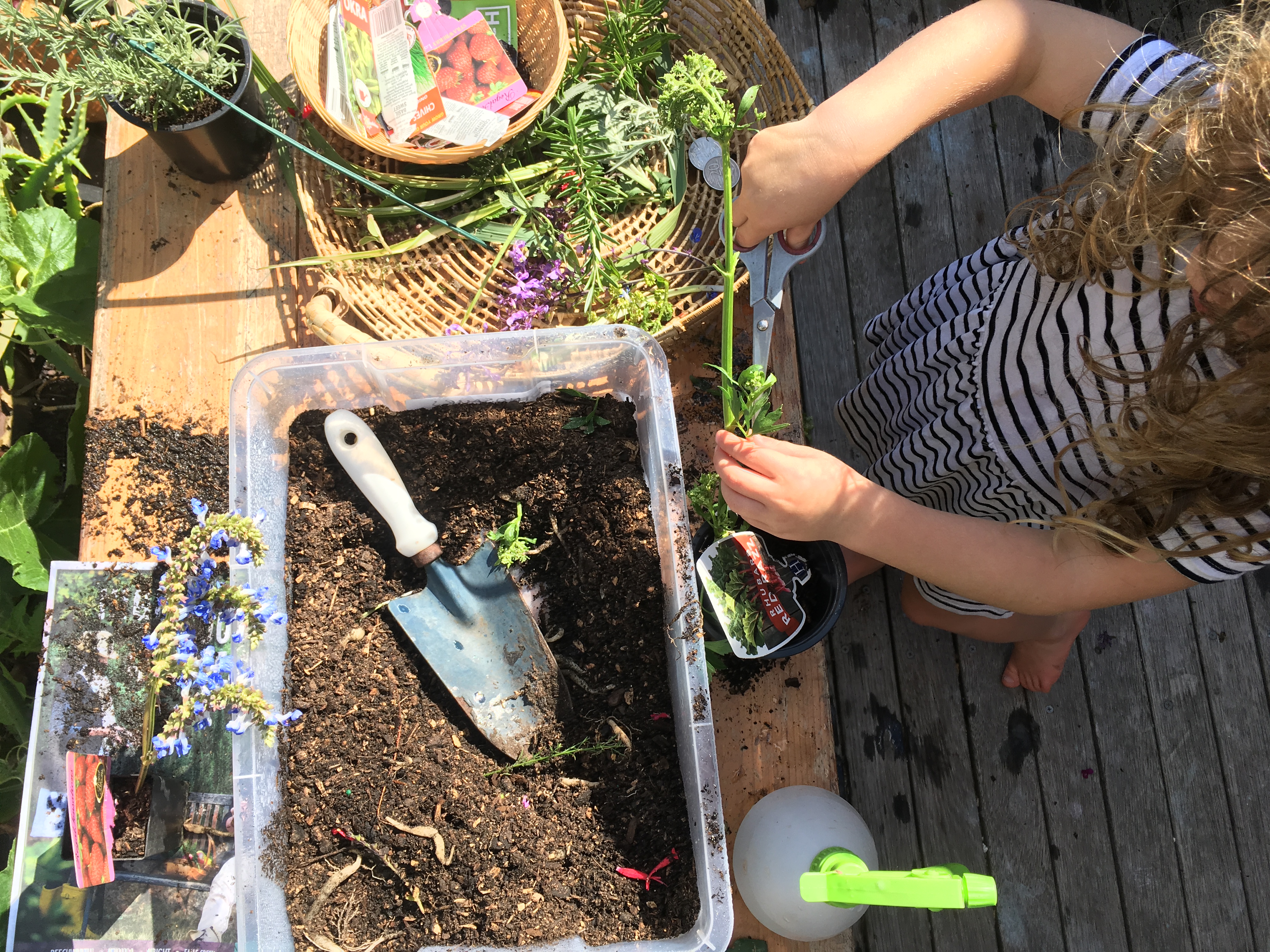
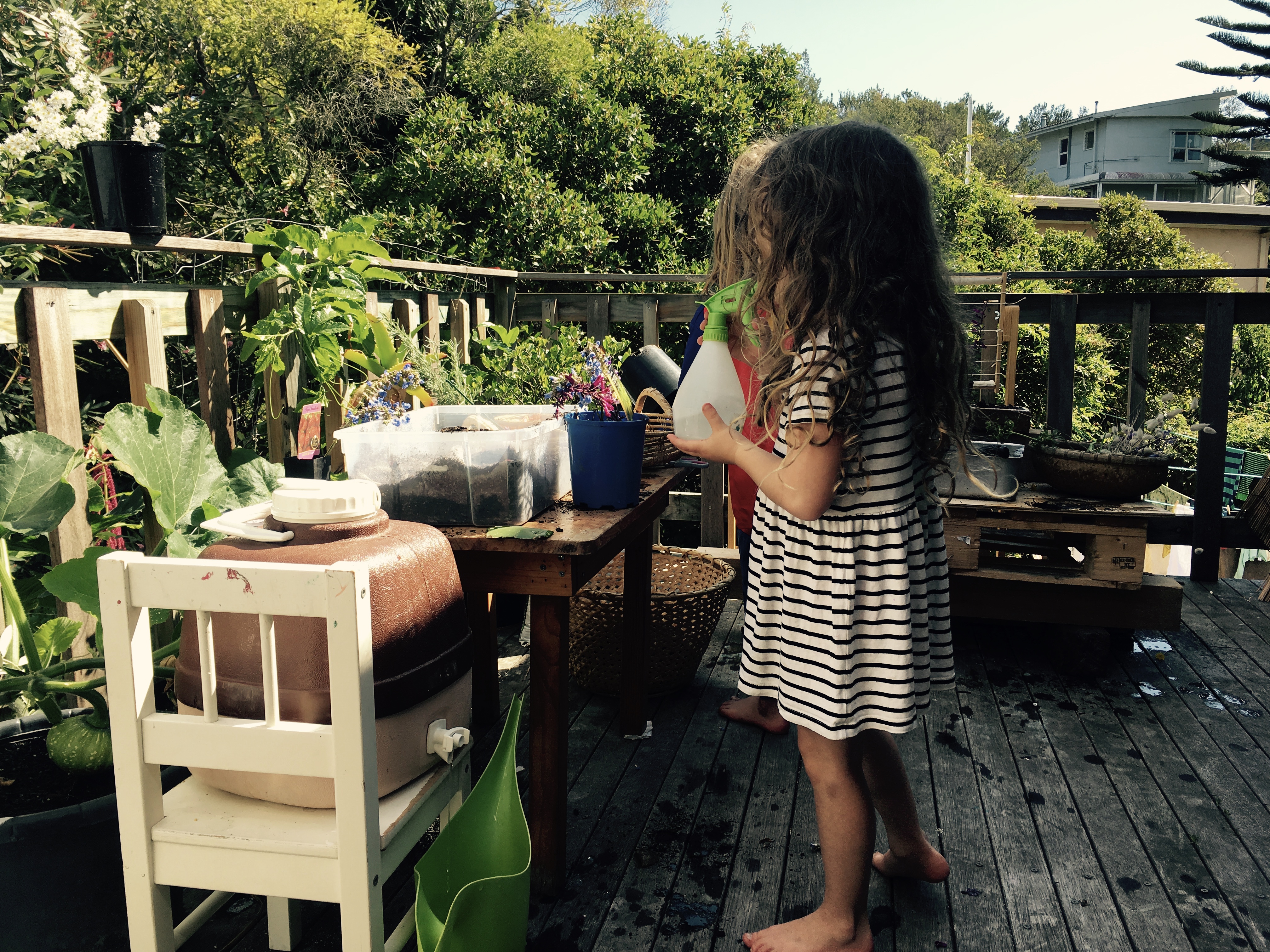
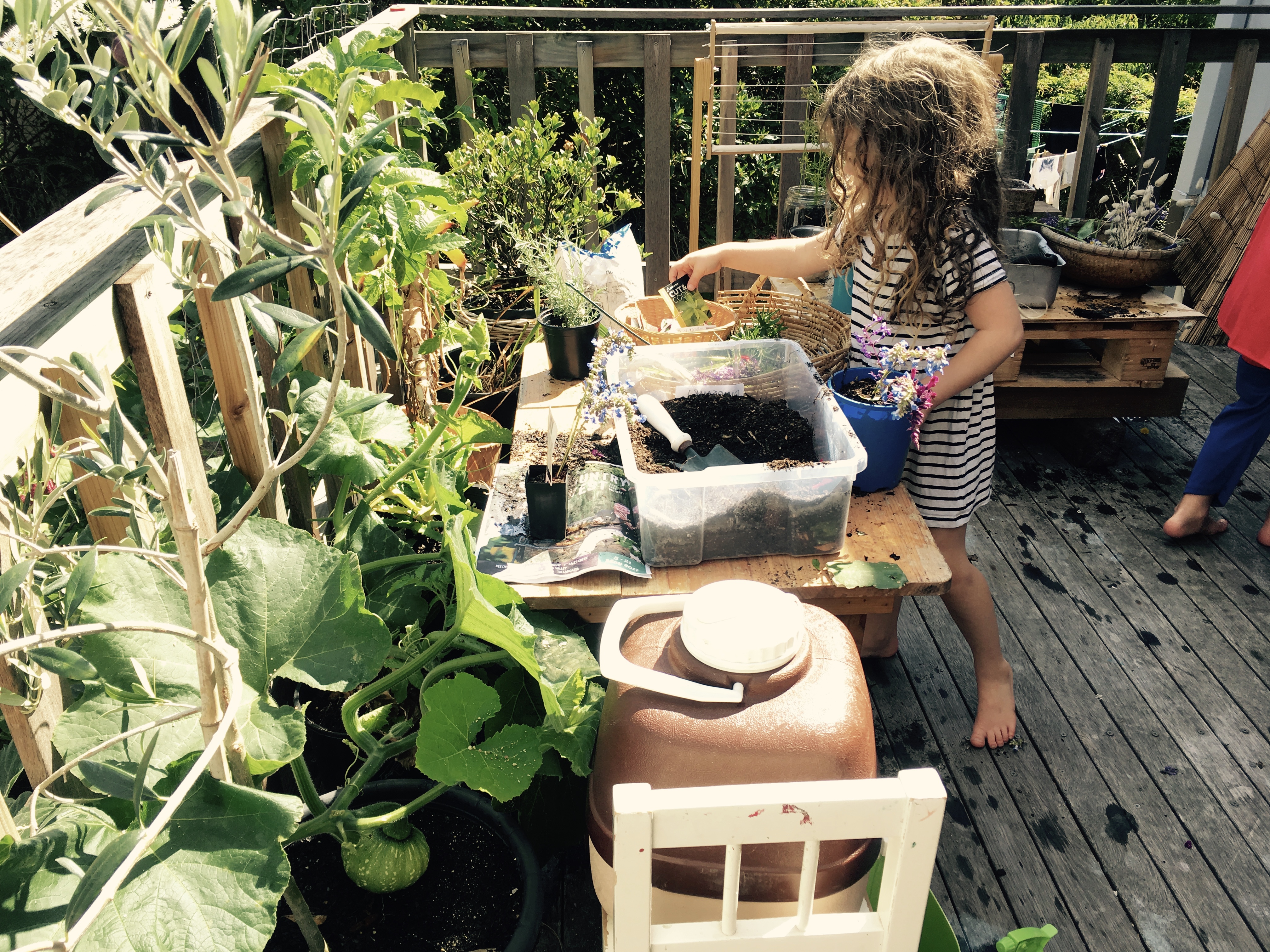
 img_9874 img_9877 img_9884 img_9883 img_9878 img_9919 img_9926 img_9920

I am outrageously passionate about learning but not so passionate about schooling.

I have wild ones, that i am certain of.  Anyone who knows them well enough would find it hard to disagree.  It is true, that my little ones have the freedom to be as they are in all of their delightful and not so delightful shades. And it is true as a mother that i have recognised early what will and will not work for them without greatly effecting their inherent selves.  This has taken us on a path that is  undoubtably moving us away from any of the traditionalism that is usually expected right now at their ages. However, I am no longer really interested into moulding them into something that resembles little to who they are, for the sake of somebody elses idea of what they should be doing. The more I leave them alone, to follow their own guidance, the more i am recognising that they are always discovering and learning exactly what they need to be at precisely the right time for them. I cannot imagine these two little ones thriving in traditional school setting. My youngest would without a doubt conquer her experience if she was to embark on the mainstream schooling path.  She would surly learn quickly to play by the rules and manipulate the system well. I’m certain she would challenge where she deemed necessary and the probability of this occurring more often than not would be high.  She would absolutely, unquestionably survive the system. Except, to survive I’m afraid is no longer adequately enough. In every other part of our lives we are living truthfully, not measuring ourselves or abilities by any other person or methodical method. We are not comparing, justifying or compromising our selves. Most importantly we are not trying to please any one else’s expectations. And so much of education has been built around this calibre. Children are forever trying to please, do it the right way, the way that gets them the most praise and recognition. For what?  They are taught early that what other people think, matters more than their own innate inclinations and i wonder is that really what we are wanting our children to believe? That they don’t matter as much as the one who stands before them. The one who has taken a more conventional path, the one who is older, the one who has a higher degree, the one who has a larger bank balance, the one who was born male?  This familiar notion could go on forever.  Disregarding our own guidance to please somebody elses ideas for what they deem to be right.  I’m clear that my children were not born to please me or anyone else for that matter. Their lives are theirs to mould into what ever shape they desire, even at the ages of four and five. Their ‘wildness’ is inherently their own. Following this path of learning and living has been easier and come more naturally than any other orchestrated path we have followed before. This path is natural learning, a more natural education. It allows my children to show up fully in the truth of who they are. They don’t need to hide behind masks or pretend to be or like anything that they don’t.  It teaches them to speak their truth, and maybe when they are older they will be less afraid of this, especially if their notions lend themselves towards raising a little controversy.


learning from a barefoot movement

‘First they ignore you then they laugh at you then they fight you then you win’ – Mahatma Gandhi

Any proposed new idea that is going to  challenge a way or belief that has been followed and indoctrinated  for so long is going to gain immense resistance. But to keep going along with systems and ideas that we know are no longer working especially when those systems are ones concerning our children, is no longer justifiable. We are in a time that is requiring brave people to come forth with new perspectives, even if the perspectives are seemingly unorthodox, in the beginning. It is no secret that the education systems in western civilisation are having an adverse effect on children. Some of the most revolutionary ideas of how we may move towards a more diverse and nurturing educating way to serve future generations of humanity more effectively, is coming forth now.  Having  had children that patently do not fit the mainstream educational systems without having to clearly identify necessary provisions in order for them to participate, indicates that change is necessary and any system that no longer endorses notions of what we are deeming to be normal and abnormal is much welcomed from where i am standing.

thinking on tippy toes

img_8373 img_8378 img_8376 img_8377 img_8375 img_8374


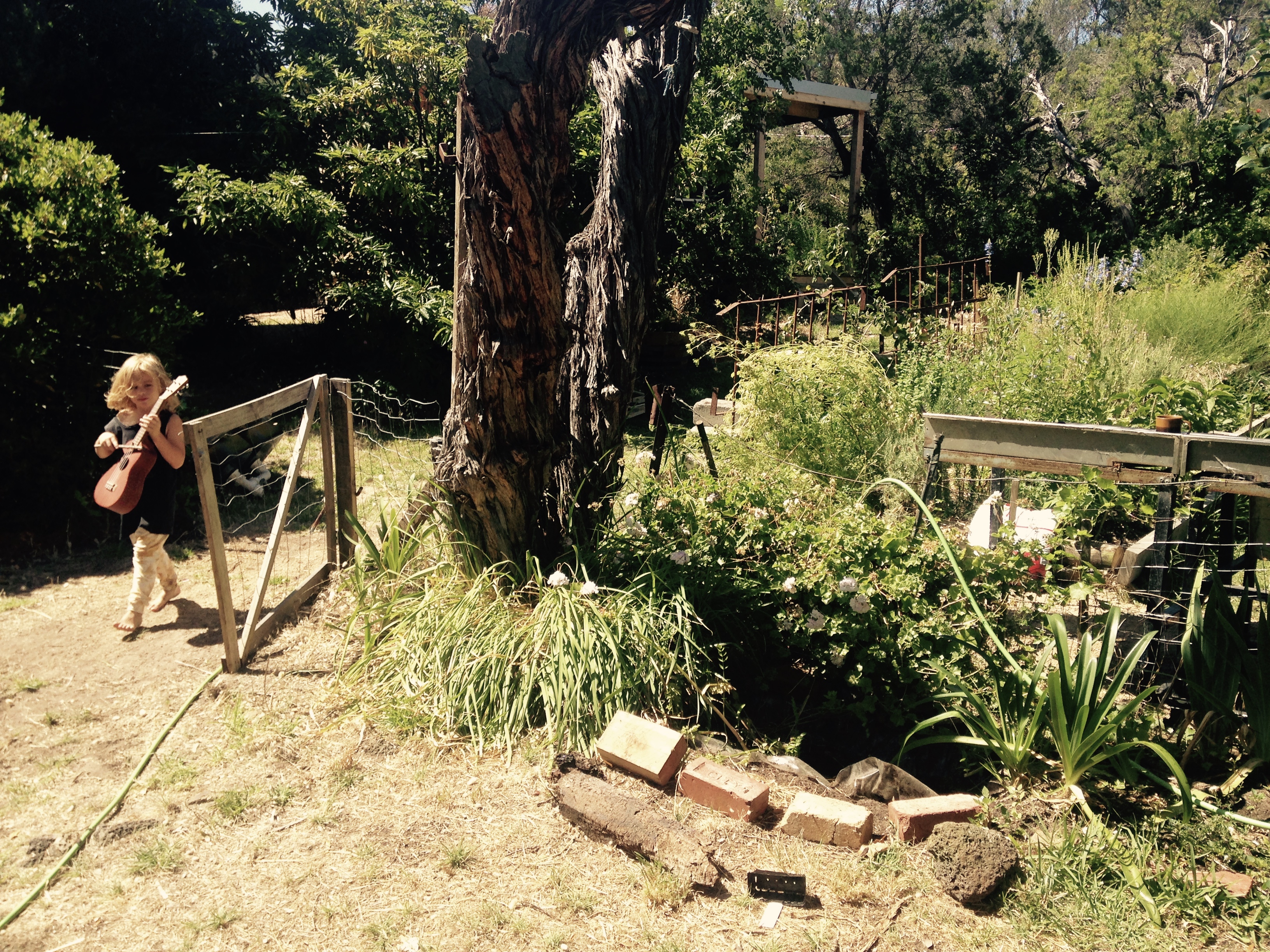
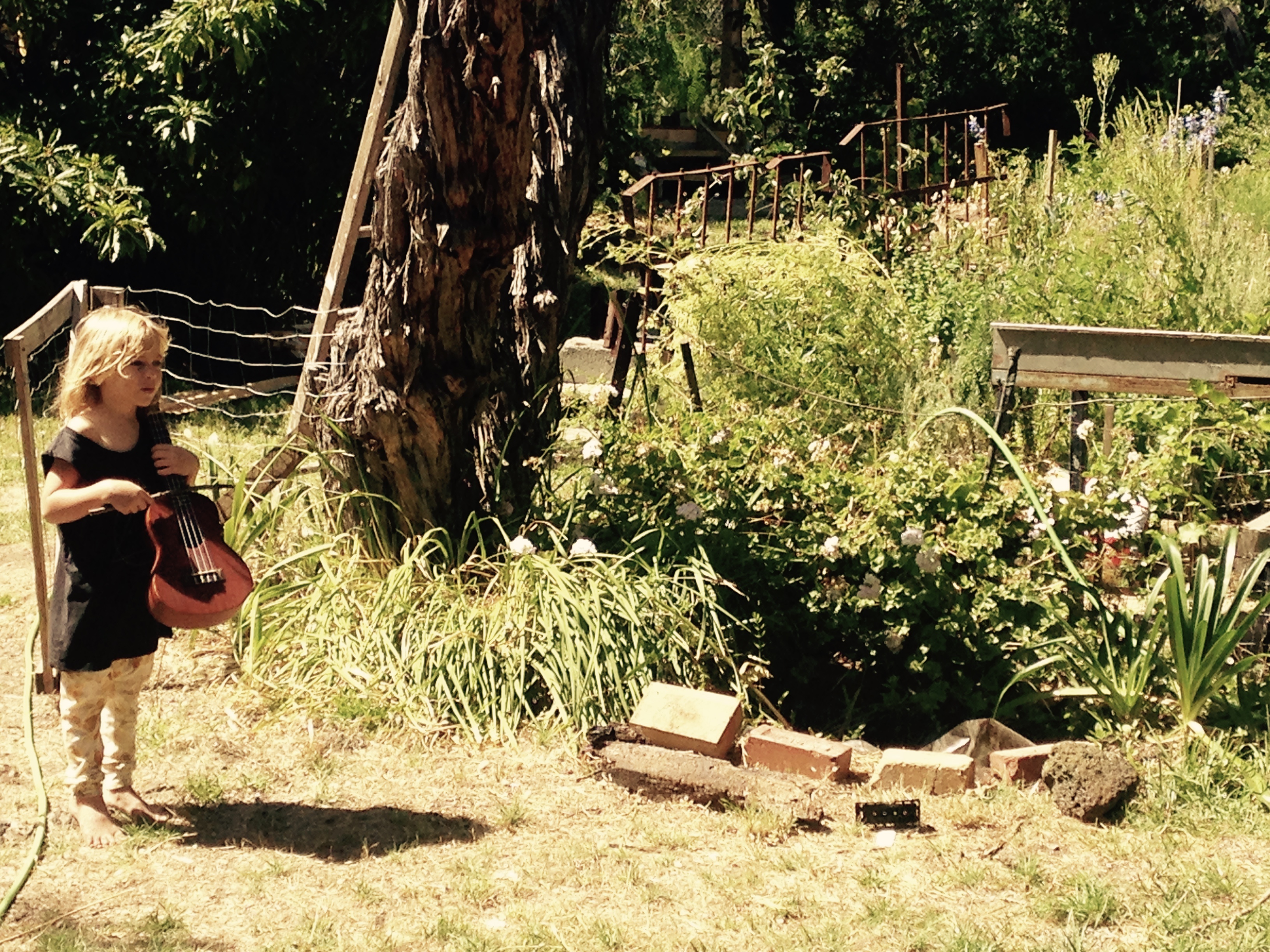
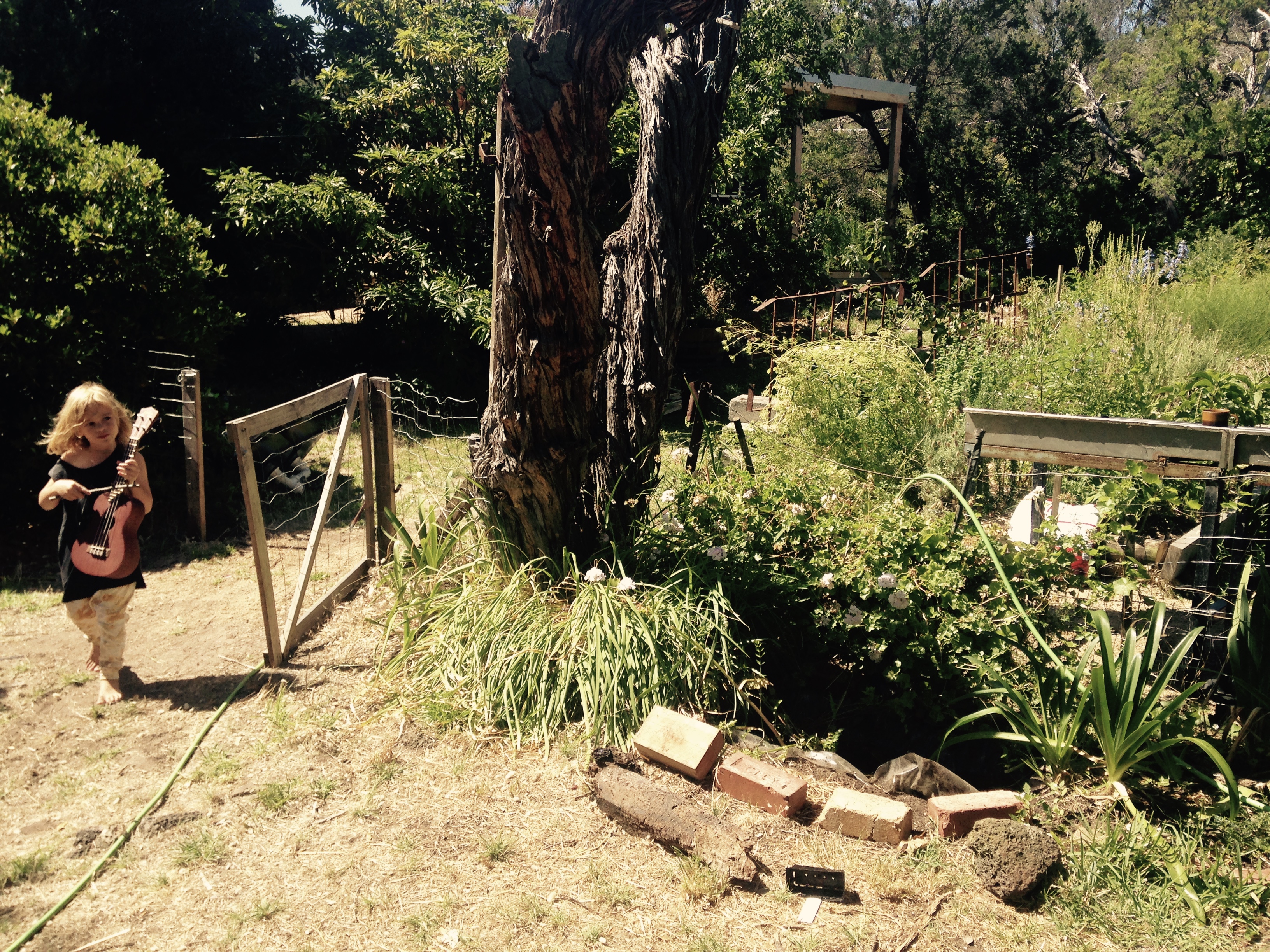
This is what i intrinsically believe learning to be for him.  Thinking requires immense bodily  movement. Walking, talking, bare feet and tippy toes.  Thought forms are  spoken out loud with tremendous enthusiasm and with repetition to anyone who is readily available to listen. He will do this until it makes picture perfect sense, to him. And sometimes it is absolutely necessary for him to move to higher spaces, where the air is somewhat clearer. Floor play is the preferred play way where chairs and tables are rarely sat in for extended periods of time and if they are he prefers not to sit down in the traditional sense. He moves to the freedom of how he is feeling and there are no forced days he is required to fit into. He is moving completely at will, and to the flow of himself.    Everything requires  a curious explanation with the discussion beginning first thing in the morning and continuing the entire day. There aren’t really any schedules or rules to follow, except eat when you are hungry, rest when you are tired, bathe when you’ve changed colour and if you can make it yourself, then you should.  This is what free learning for him means and as he embarks on his learning adventure, he won’t be constricted to rooms, spaces, furniture or shoes.  His body will remain as free to move with him as his mind is. He can think out loud, as loud as required without disturbing anyone. He can speak his thoughts as they arise without needing to pause and wait until appropriate discussion periods are allocated. This point is particularly important to note as often his thoughts and ideas that arise during conversation require additional verbalization for it to make sense to him and necessary if you are wanting him to retain the information for further learning at another stage. Often if waiting is required even for short moments, the ideas and the words chosen for the communication are unfortunately, usually lost.  His contribution to his learning is on going, and most importantly moves to his unique flow. He is learning to collaborate with people, not of just the same age and or development but from the many ages he is surrounded by. And like adults he choses who to engage with not by age but by the more natural laws that attract people to each other.    He is fortunate in not  being confined to only the experience of five year old minds. He partakes in the wild and expansive imaginations of his younger and older siblings, in a kind of play based learning that if acknowledged and rightly valued, should continue way past pre school years and will undoubtably continue to serve them all for the entirety of their lives. Materials that are usually phased out during the primary school years will most likely remain in our learning experience. We won’t be out growing our home corner, by the age of 6. Home Economics will grow and expand as he does. He will be able to learn math and operate the washing machine. We will learn about anything and everything that he arises interest in and we will learn it in a way that we have advanced to. There are few rules and no time limits allocated to any one subject. Everything can be interwoven and overlapped and expanded if there is freedom in learning.   I know, there are schools like this that exist. Learning environments that are willing to take the alternative way towards educating our children, one that nurtures individuality and inspires curiosity and most of all  values children’s innate ability to know what it is they are wanting to learn and know about at any given stage. And even though there are a few, it’s not many. And we are needing many. We are requiring this approach of educating to no longer be the alternative approach and  in retrospect only available to a handful of children but rather how unprecedented would it be to integrate this alternative way into the whole. And allow our children to truly lead the way in their learning abilities.

leaning towards un-schooling

IMG_6801 IMG_7584 IMG_7591 IMG_7594 IMG_7599 IMG_7601 IMG_7597 IMG_7611 IMG_7606 IMG_7600IMG_7605

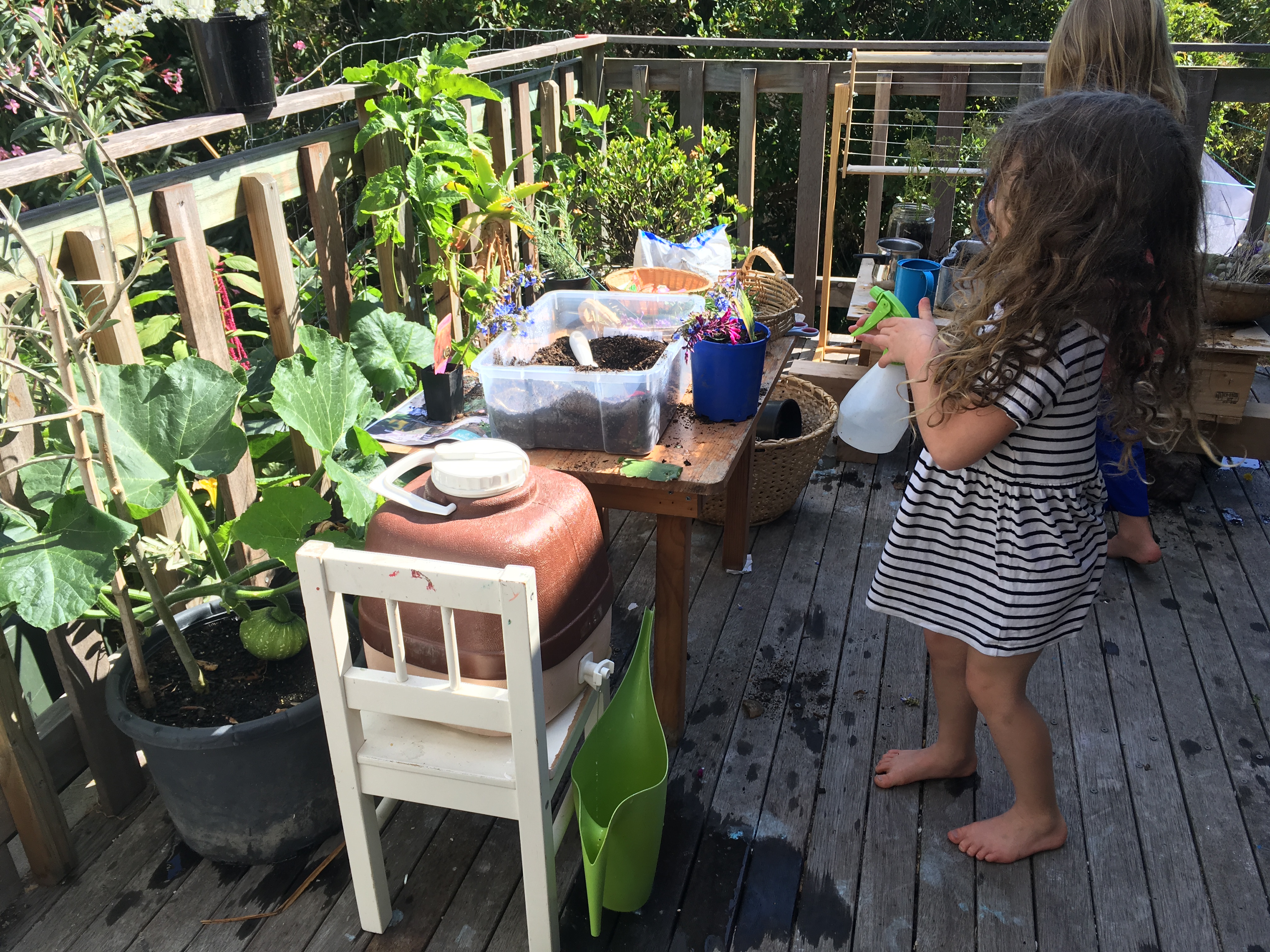
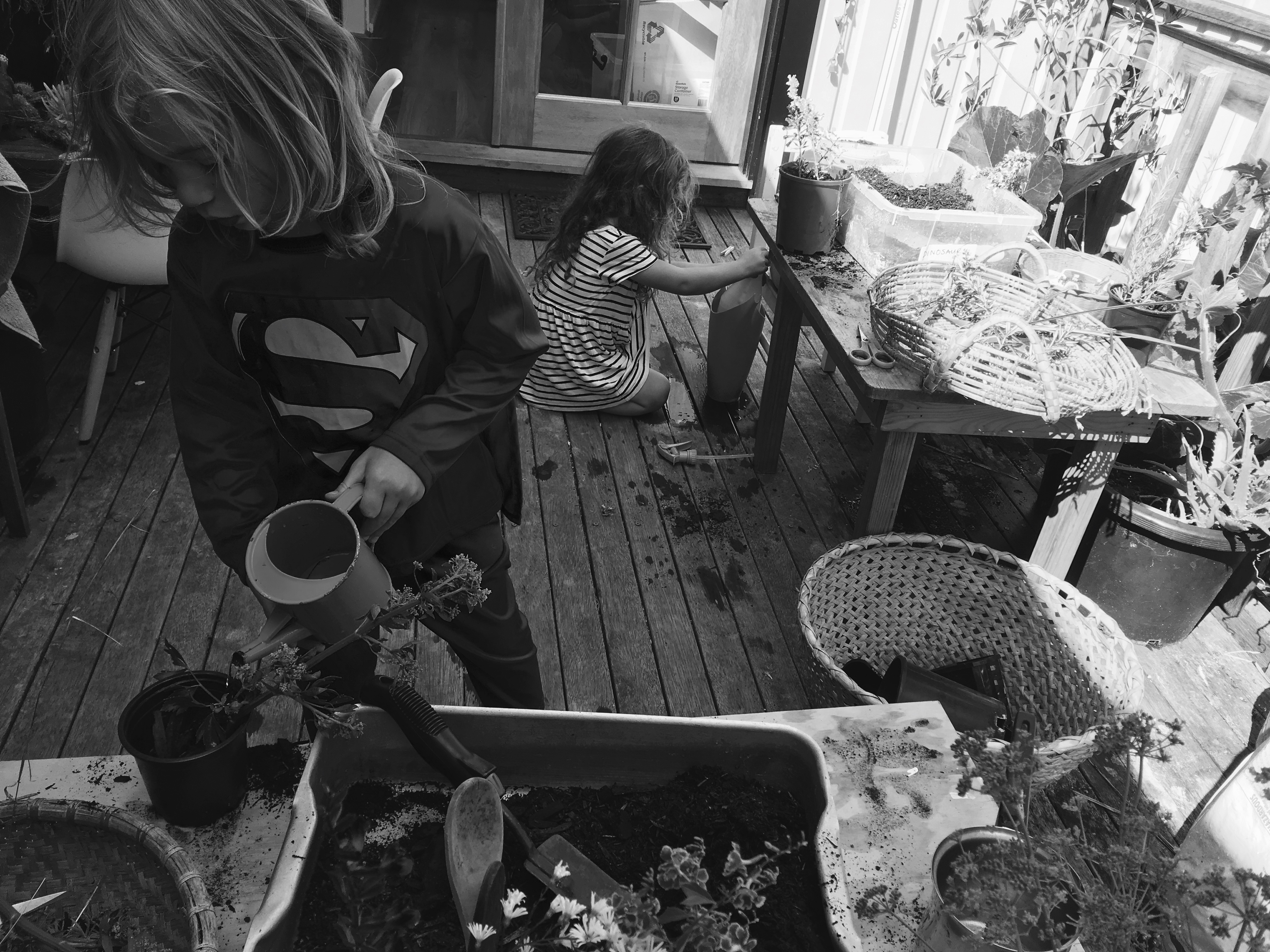
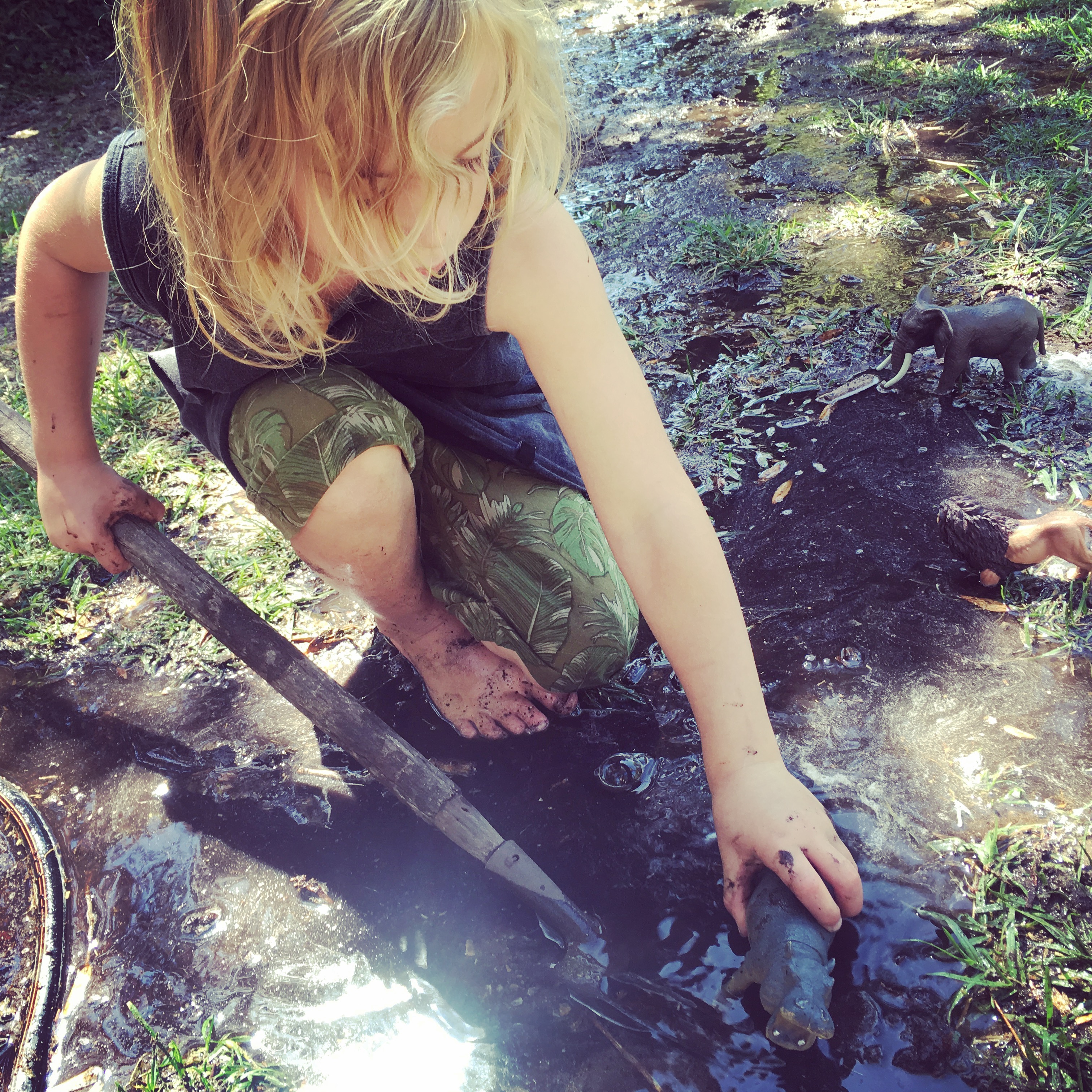
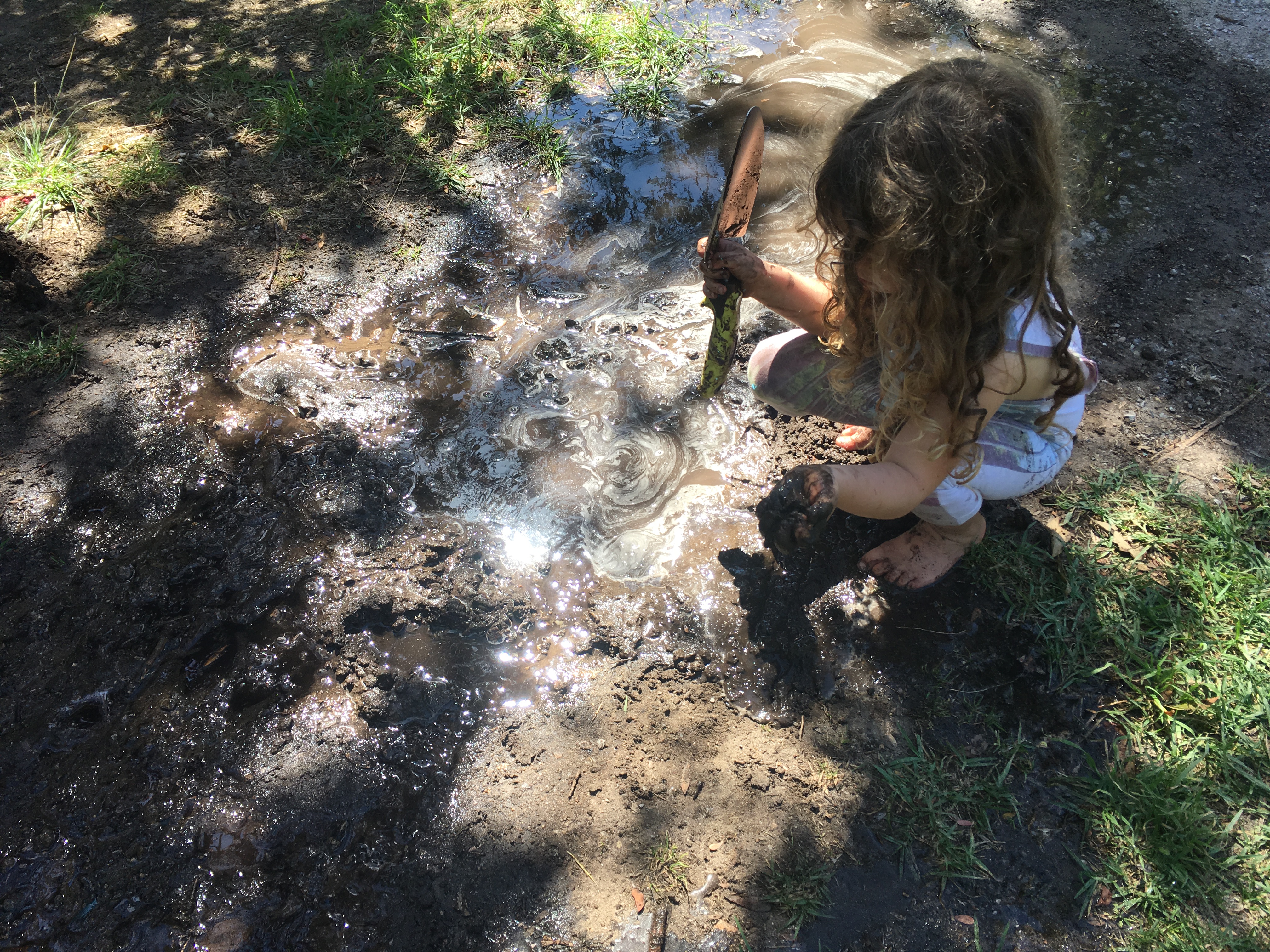
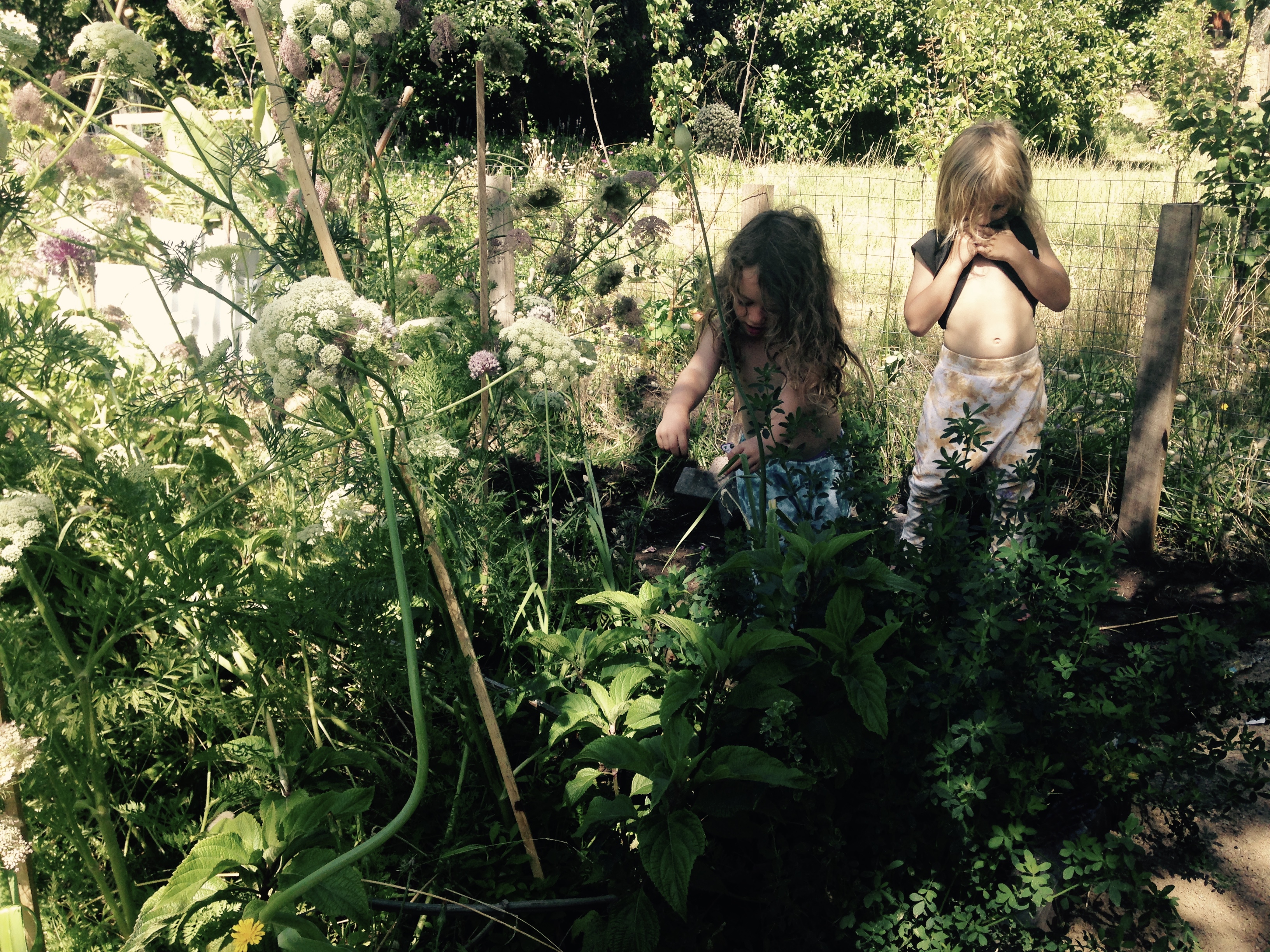
I’m excited about my children’s education for the first time. After spending too many years on opposite sides of the bench with the school system and the education of my older children, it’s a much welcomed relief and an exciting new prospect for us. For the past 2 years i have been endlessly searching for alternative schooling approaches to educate my children that differ from the mainstream system that we so often seem to be hauling our children through. Homeschooling or better still un-schooling has gotten my eager attention. It’s not the conventional way to go, or even the most popular form for alternative ways to educate your children, nevertheless something is swiftly moving us in that direction. And really after having already been down the conventional schooling road before, i’m afraid it leaves little to be desired for at this stage. After researching the array of approaches to begin embarking on the homeschooling journey, it became apparent and with a much welcomed relief that we were already innately flowing to this rhythm of learning. And whist it may seem alternative now, my predicament is, as a society facing the enormities of such neurological diversity we will begin to explore these new learning styles more predominately in the future anyway. Right now, everything we are doing feels right. Moving in the natural flow of the children is easy, much easier than the rush of meeting expected time tables and fitting into a routine that doesn’t really fit with us. Now, we move slowly in the mornings, especially on the stuff that doesn’t really matter, like washing faces and getting dressed. The creativity usually begins before the first cup of tea. Everything is always open, accessible and available, nothing stops or finishes at a certain time.  I know the learning is happening when they wake and look out to see if anything has grown in the garden or changed form while they were sleeping. They notice a bee has taken up residence in the lounge room and they are unbothered by its presence, ensuring me that its alright, because it’s just pollinating our plants. Painting in your pyjamas is normal, brushing teeth at some stage before lunch is alright, imaginary play is unrestrained and  not restricted to any parts of the house, and can take over and last for hours. I can’t emphasis enough how important this kind of play is and how important it is to allow the space in children’s lives for this to happen naturally. We live in a world that is on sensory overload most of the time. Children are losing their way, forgetting how to be without the aid of an electronic device, clouding their minds. I’m seeing it so often now, children are struggling to think of ways to play. They have forgotten this innate wisdom they have been born with and its disturbingly heartbreaking.  Playing this way for us happens often and easily, they listen to each other, contemplate and cooperate together, most of the time my involvement is unnecessary and is kept to a minimal.  The children are happy, excited to wake in the morning and begin their days, they know that they have the unique experience of leading the way on how the day will unfold and its alluring to watch them in the freedom of this space.  It would be hard to imagine now,  a life of rushing them out the door by eight with breakfast on the run to spend 6 hours in a classroom, five days a week.  I’m thinking we have stumbled onto something uniquely wonderful here, un-schooling is undoubtably unorthodox and still really quite seldom, nonetheless we do like the idea of taking the road less travelled.