learning from a barefoot movement

‘First they ignore you then they laugh at you then they fight you then you win’ – Mahatma Gandhi

Any proposed new idea that is going to  challenge a way or belief that has been followed and indoctrinated  for so long is going to gain immense resistance. But to keep going along with systems and ideas that we know are no longer working especially when those systems are ones concerning our children, is no longer justifiable. We are in a time that is requiring brave people to come forth with new perspectives, even if the perspectives are seemingly unorthodox, in the beginning. It is no secret that the education systems in western civilisation are having an adverse effect on children. Some of the most revolutionary ideas of how we may move towards a more diverse and nurturing educating way to serve future generations of humanity more effectively, is coming forth now.  Having  had children that patently do not fit the mainstream educational systems without having to clearly identify necessary provisions in order for them to participate, indicates that change is necessary and any system that no longer endorses notions of what we are deeming to be normal and abnormal is much welcomed from where i am standing.

thinking on tippy toes

img_8373 img_8378 img_8376 img_8377 img_8375 img_8374


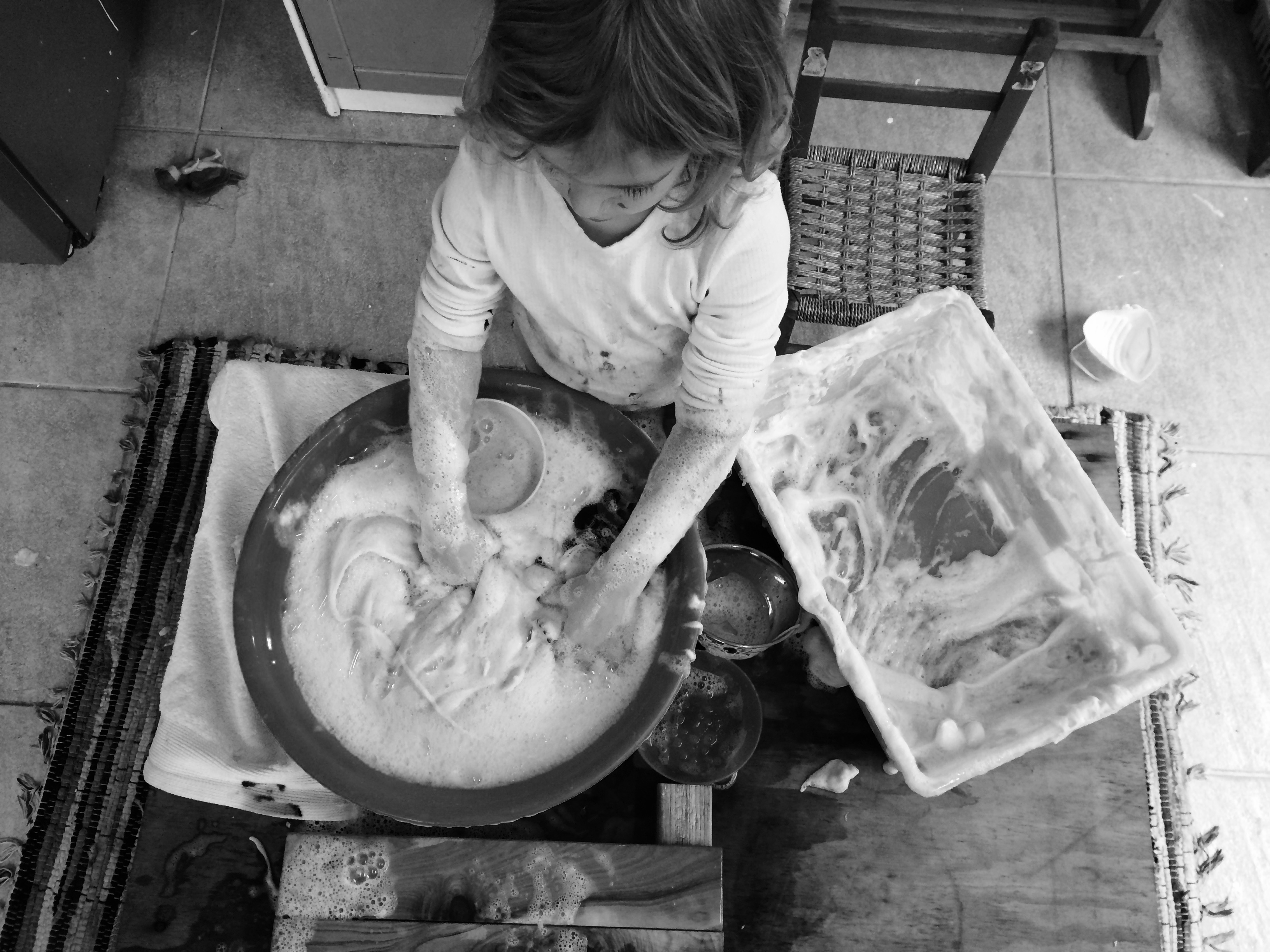
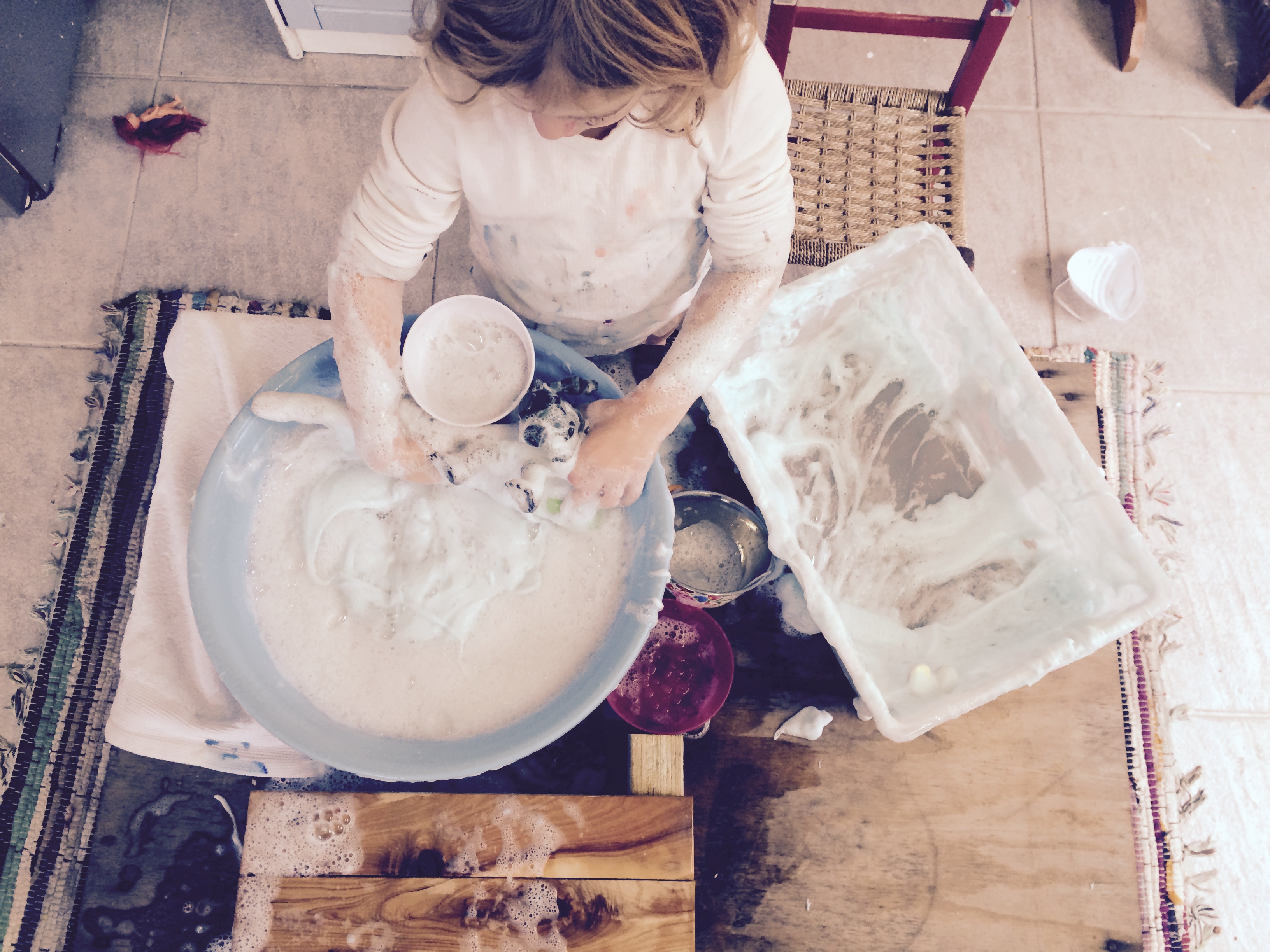
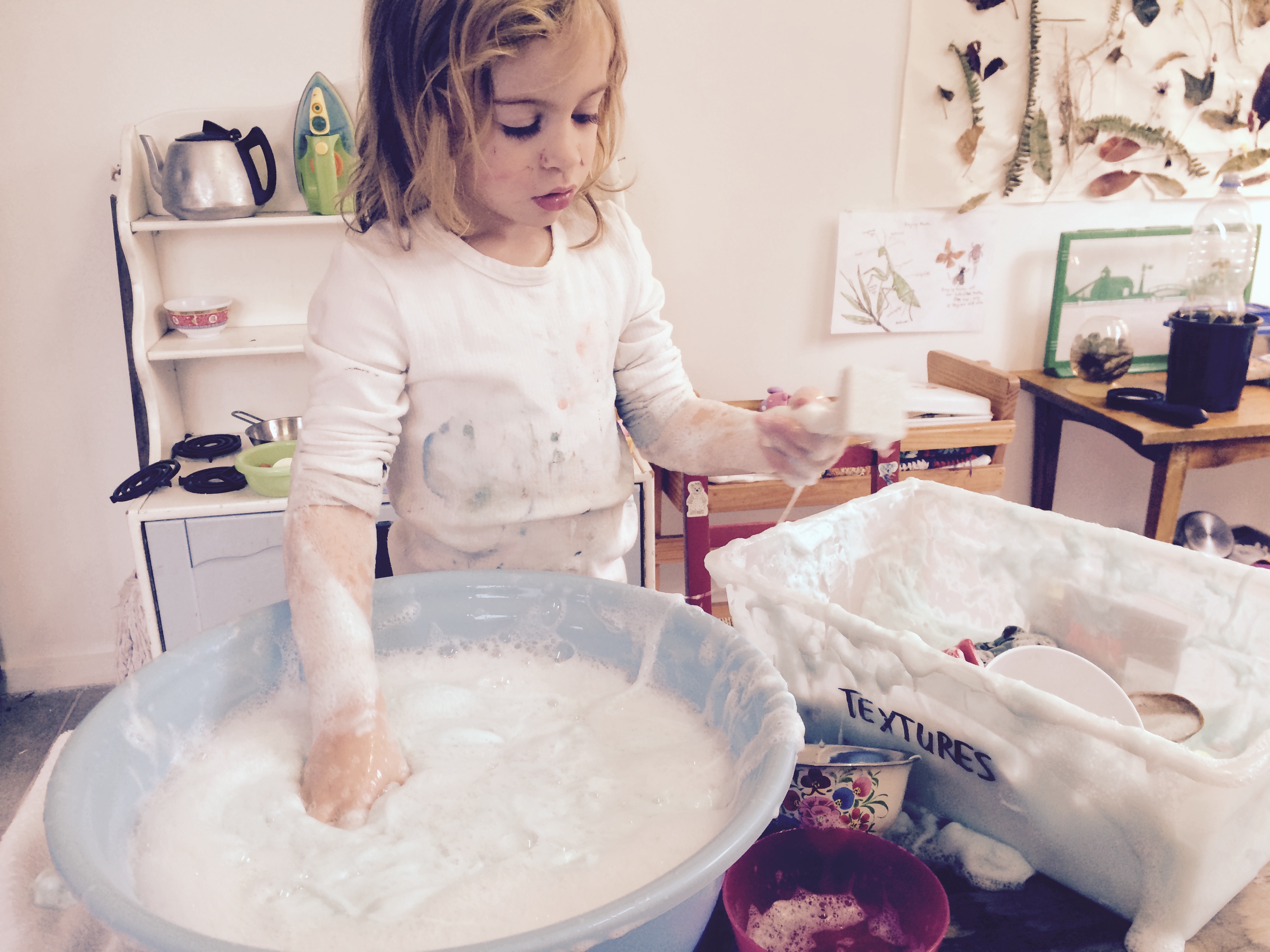
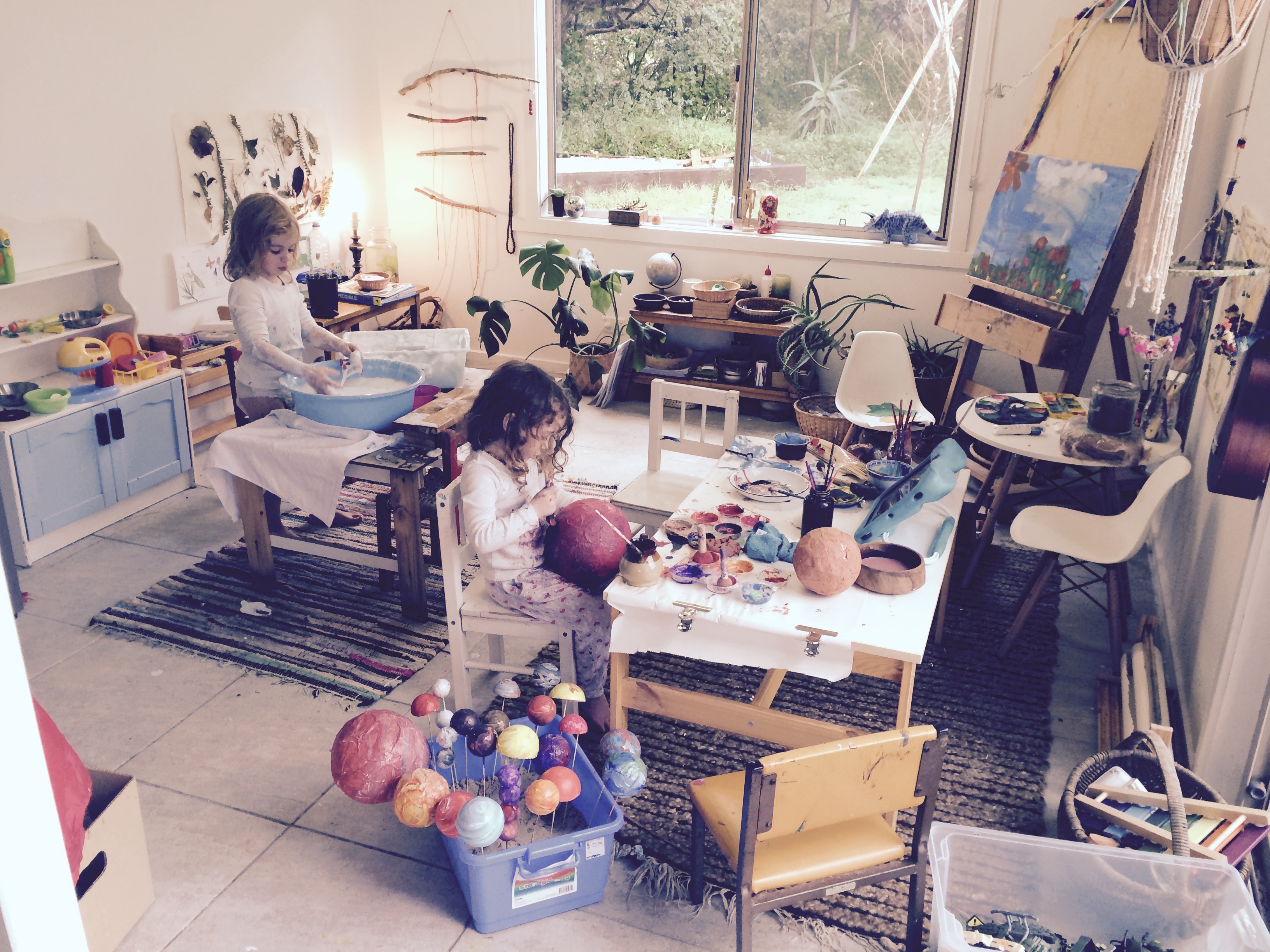
This is what i intrinsically believe learning to be for him.  Thinking requires immense bodily  movement. Walking, talking, bare feet and tippy toes.  Thought forms are  spoken out loud with tremendous enthusiasm and with repetition to anyone who is readily available to listen. He will do this until it makes picture perfect sense, to him. And sometimes it is absolutely necessary for him to move to higher spaces, where the air is somewhat clearer. Floor play is the preferred play way where chairs and tables are rarely sat in for extended periods of time and if they are he prefers not to sit down in the traditional sense. He moves to the freedom of how he is feeling and there are no forced days he is required to fit into. He is moving completely at will, and to the flow of himself.    Everything requires  a curious explanation with the discussion beginning first thing in the morning and continuing the entire day. There aren’t really any schedules or rules to follow, except eat when you are hungry, rest when you are tired, bathe when you’ve changed colour and if you can make it yourself, then you should.  This is what free learning for him means and as he embarks on his learning adventure, he won’t be constricted to rooms, spaces, furniture or shoes.  His body will remain as free to move with him as his mind is. He can think out loud, as loud as required without disturbing anyone. He can speak his thoughts as they arise without needing to pause and wait until appropriate discussion periods are allocated. This point is particularly important to note as often his thoughts and ideas that arise during conversation require additional verbalization for it to make sense to him and necessary if you are wanting him to retain the information for further learning at another stage. Often if waiting is required even for short moments, the ideas and the words chosen for the communication are unfortunately, usually lost.  His contribution to his learning is on going, and most importantly moves to his unique flow. He is learning to collaborate with people, not of just the same age and or development but from the many ages he is surrounded by. And like adults he choses who to engage with not by age but by the more natural laws that attract people to each other.    He is fortunate in not  being confined to only the experience of five year old minds. He partakes in the wild and expansive imaginations of his younger and older siblings, in a kind of play based learning that if acknowledged and rightly valued, should continue way past pre school years and will undoubtably continue to serve them all for the entirety of their lives. Materials that are usually phased out during the primary school years will most likely remain in our learning experience. We won’t be out growing our home corner, by the age of 6. Home Economics will grow and expand as he does. He will be able to learn math and operate the washing machine. We will learn about anything and everything that he arises interest in and we will learn it in a way that we have advanced to. There are few rules and no time limits allocated to any one subject. Everything can be interwoven and overlapped and expanded if there is freedom in learning.   I know, there are schools like this that exist. Learning environments that are willing to take the alternative way towards educating our children, one that nurtures individuality and inspires curiosity and most of all  values children’s innate ability to know what it is they are wanting to learn and know about at any given stage. And even though there are a few, it’s not many. And we are needing many. We are requiring this approach of educating to no longer be the alternative approach and  in retrospect only available to a handful of children but rather how unprecedented would it be to integrate this alternative way into the whole. And allow our children to truly lead the way in their learning abilities.

untainted learning

IMG_7649 IMG_7648 IMG_7651 IMG_7652 IMG_7653 IMG_7654 IMG_7655 IMG_7657 IMG_7658 IMG_7659 IMG_7660 IMG_7662 IMG_7663 IMG_7664 IMG_7665 IMG_7666 IMG_7667 IMG_7668 IMG_7669 IMG_7670

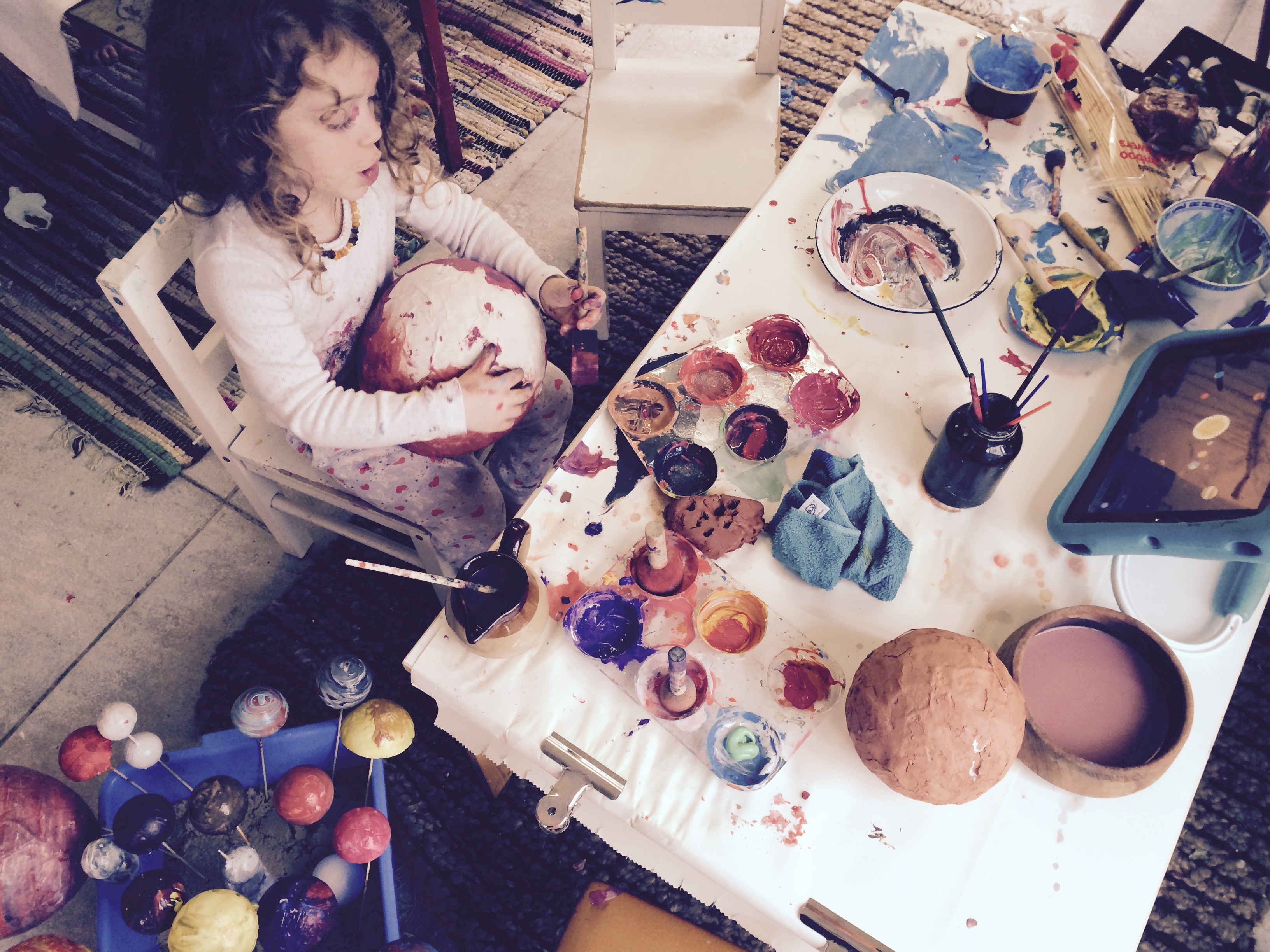
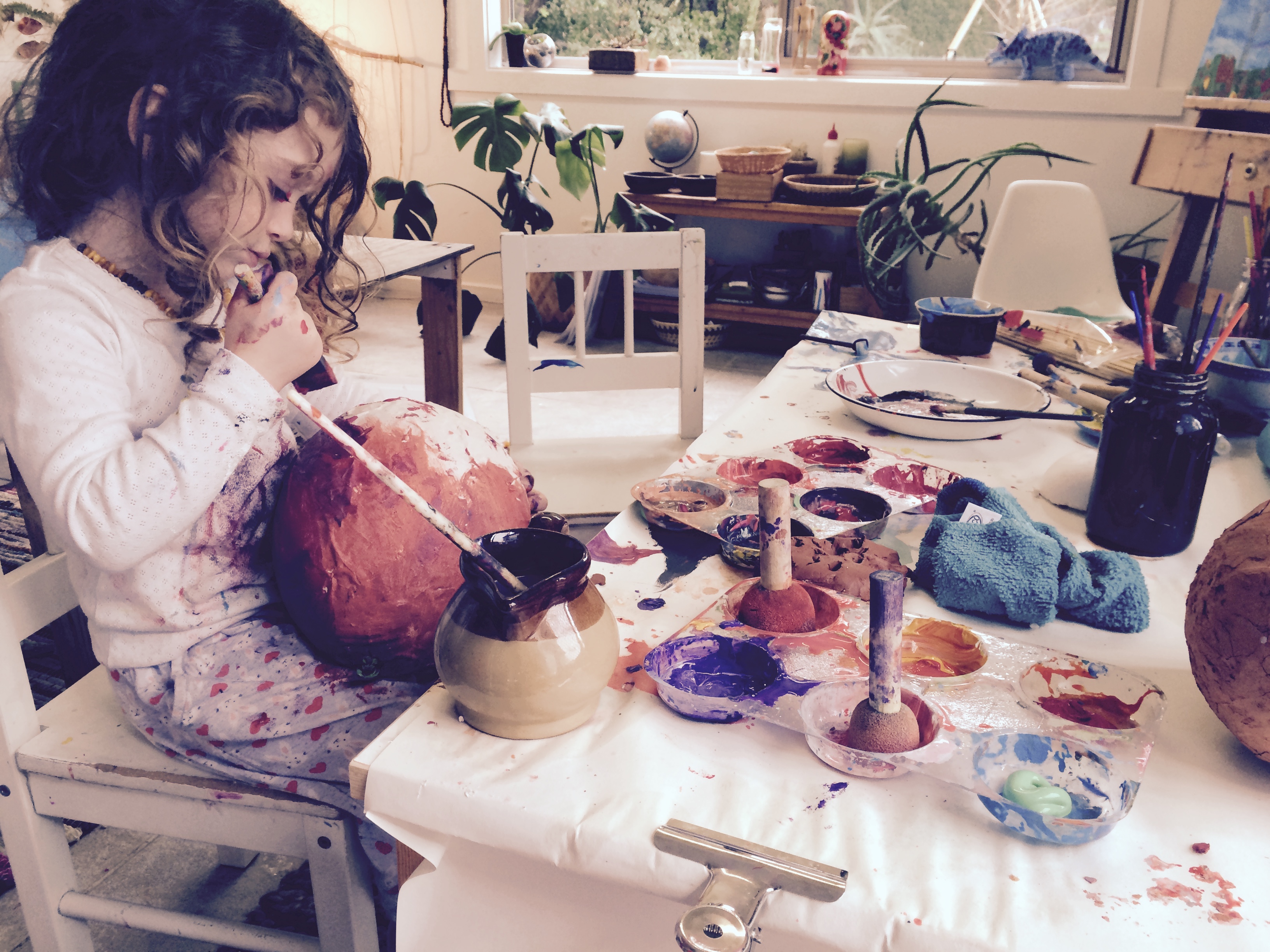
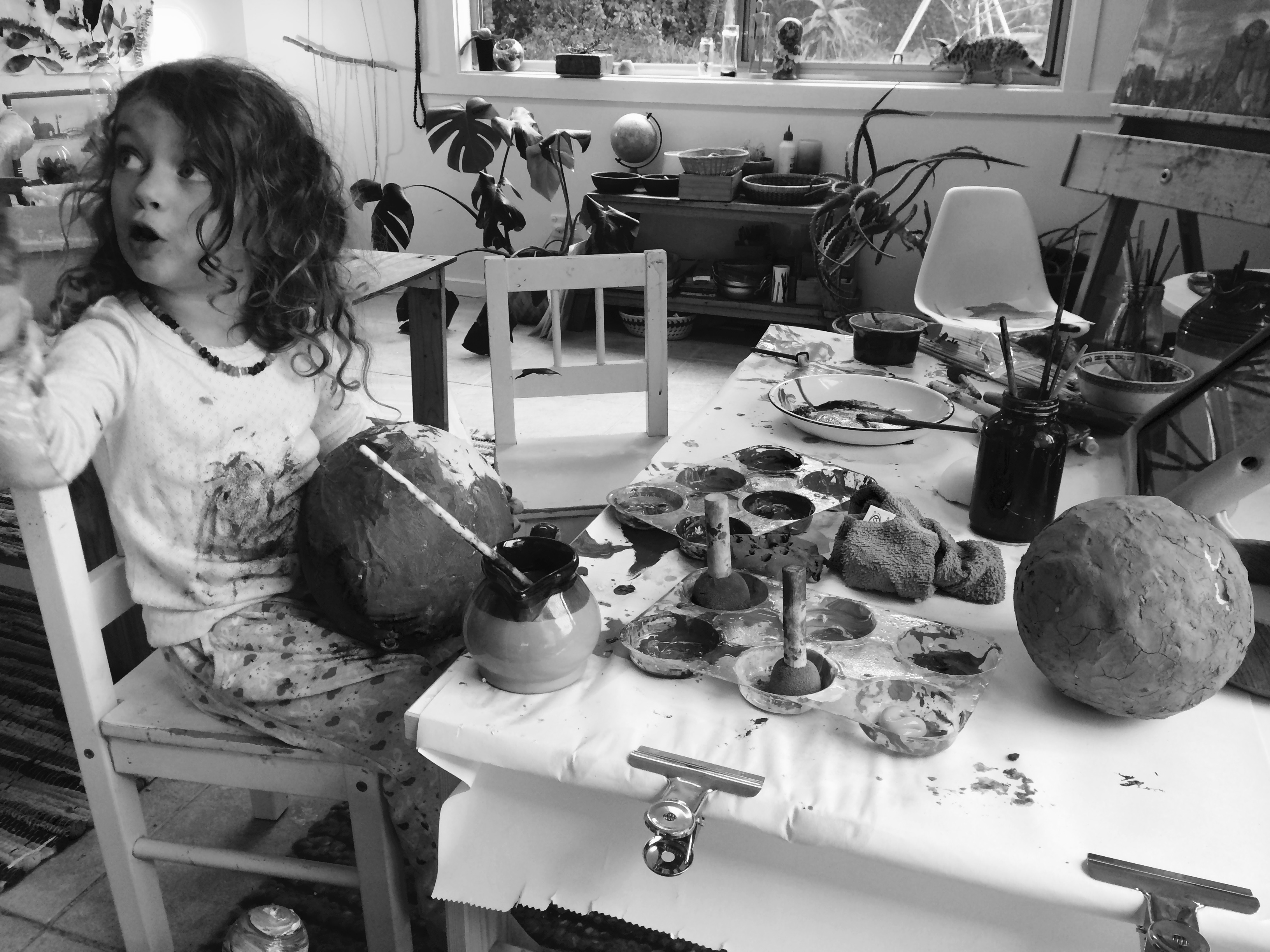
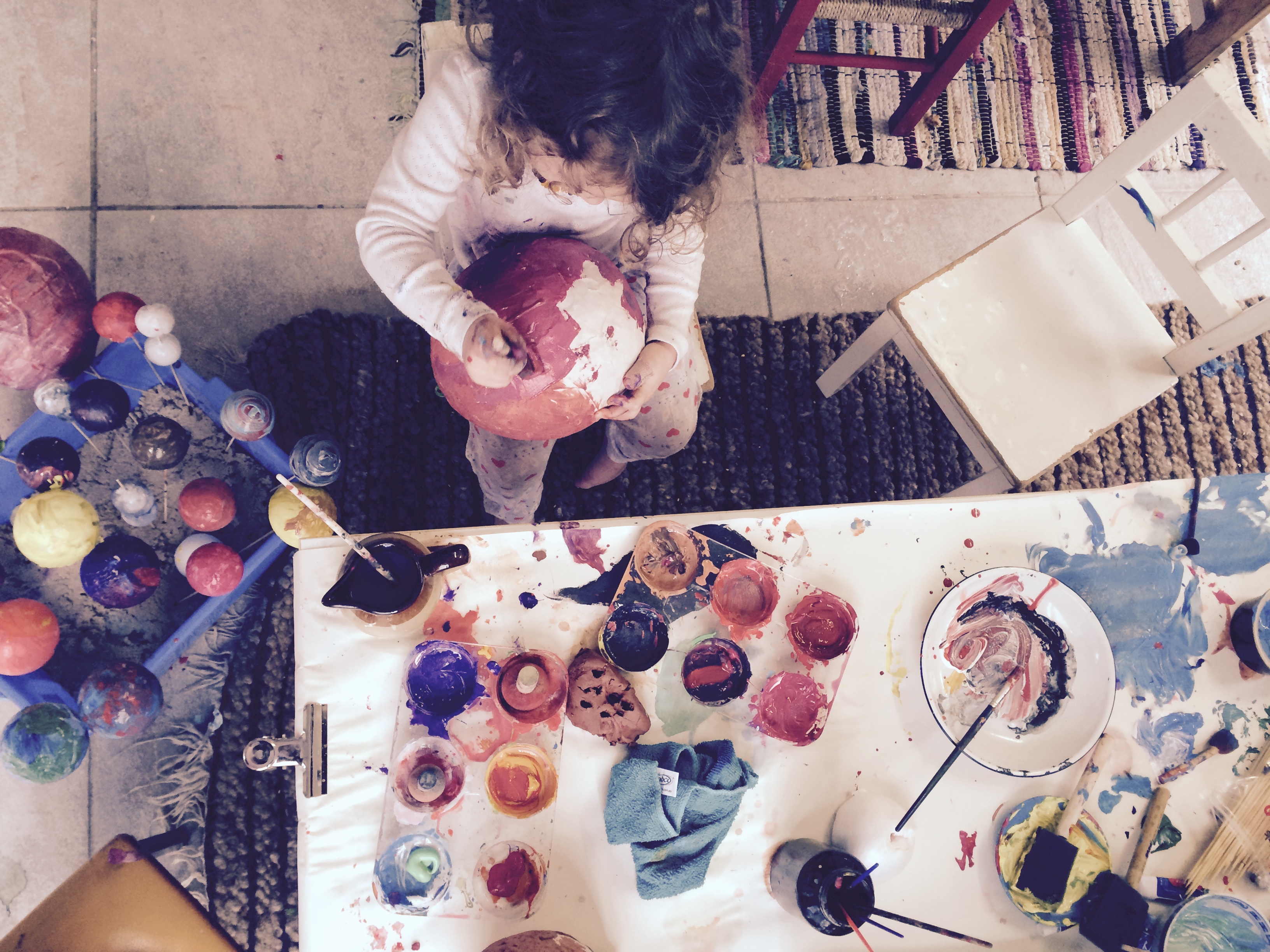
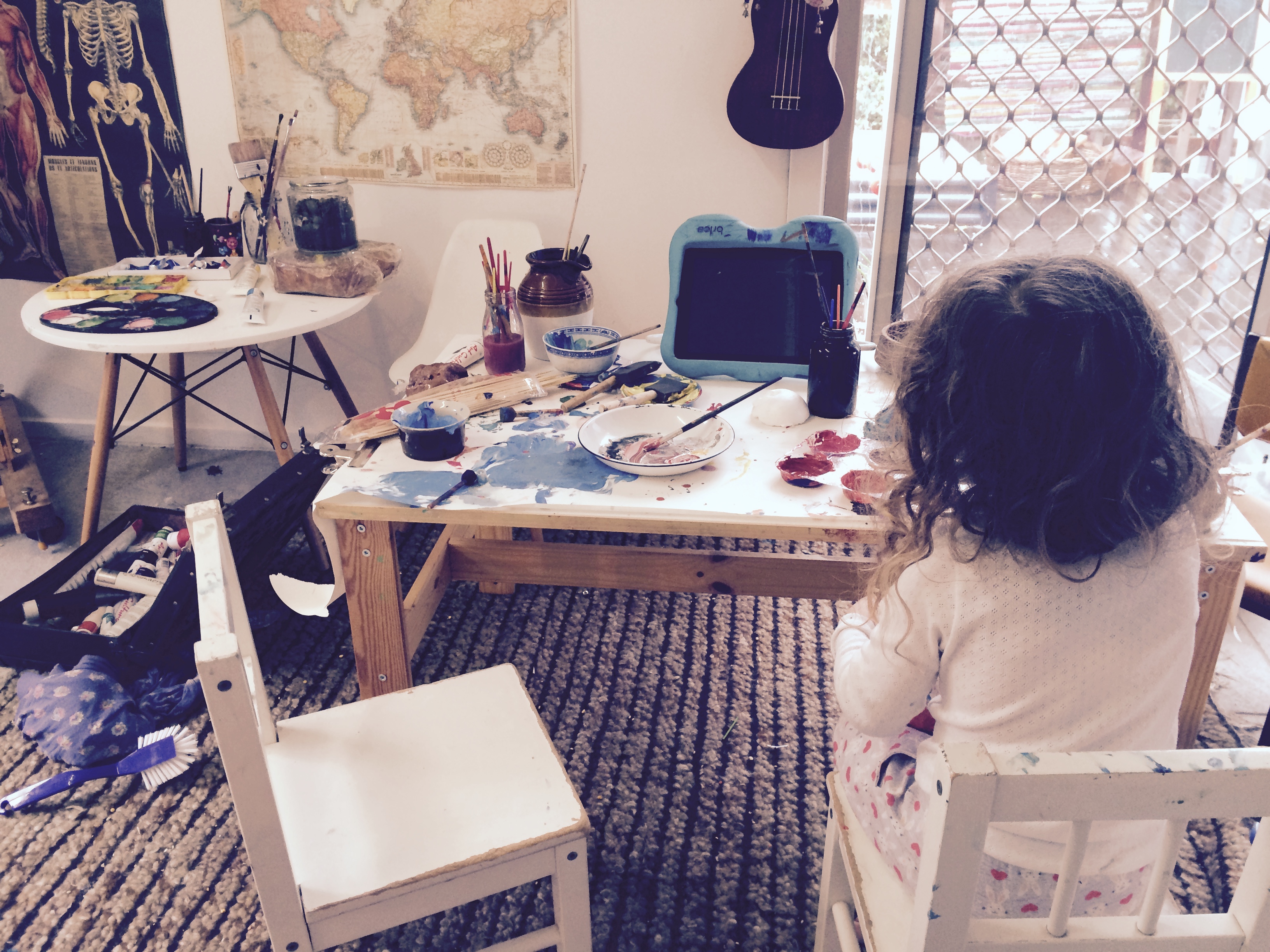
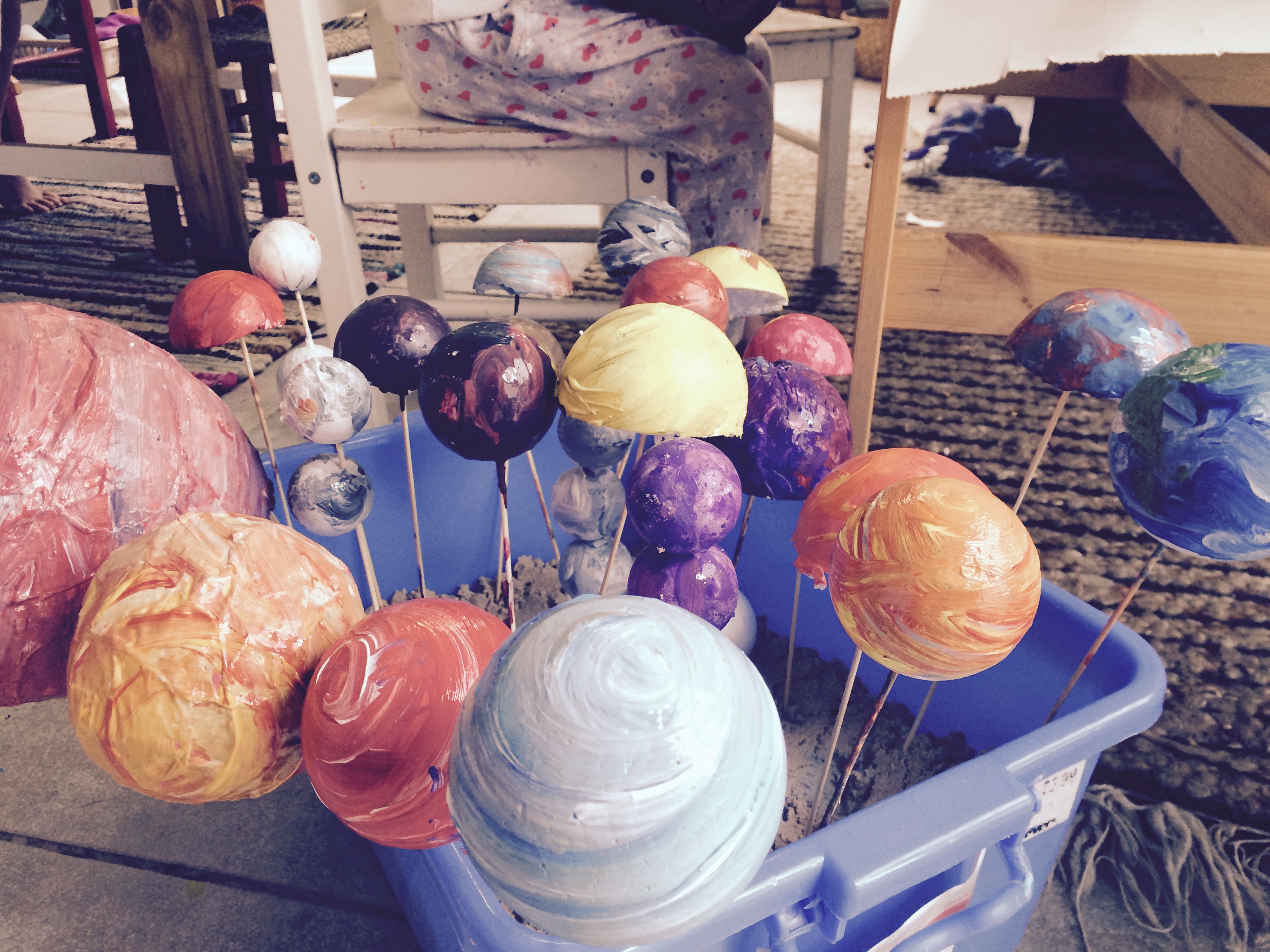
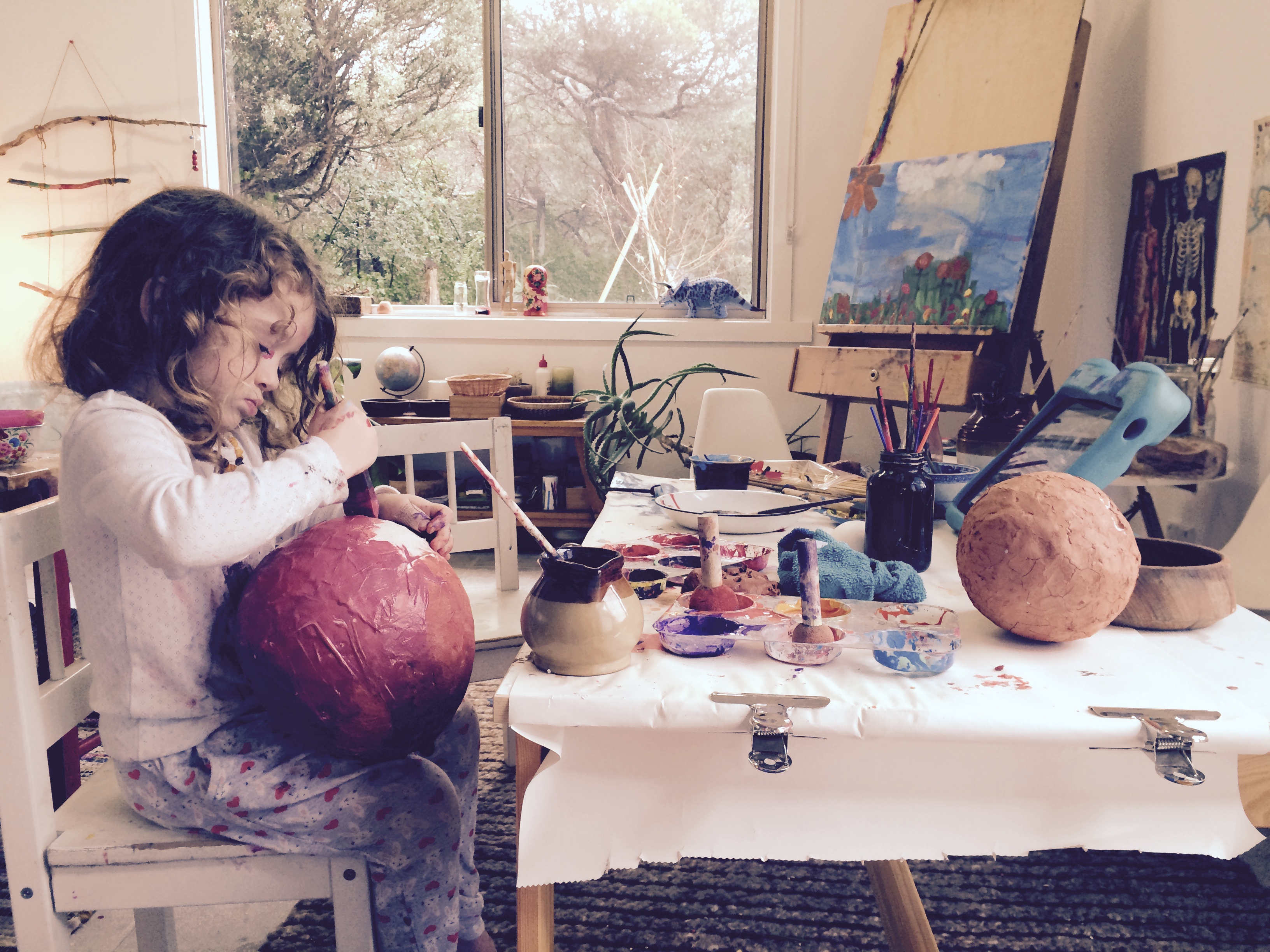
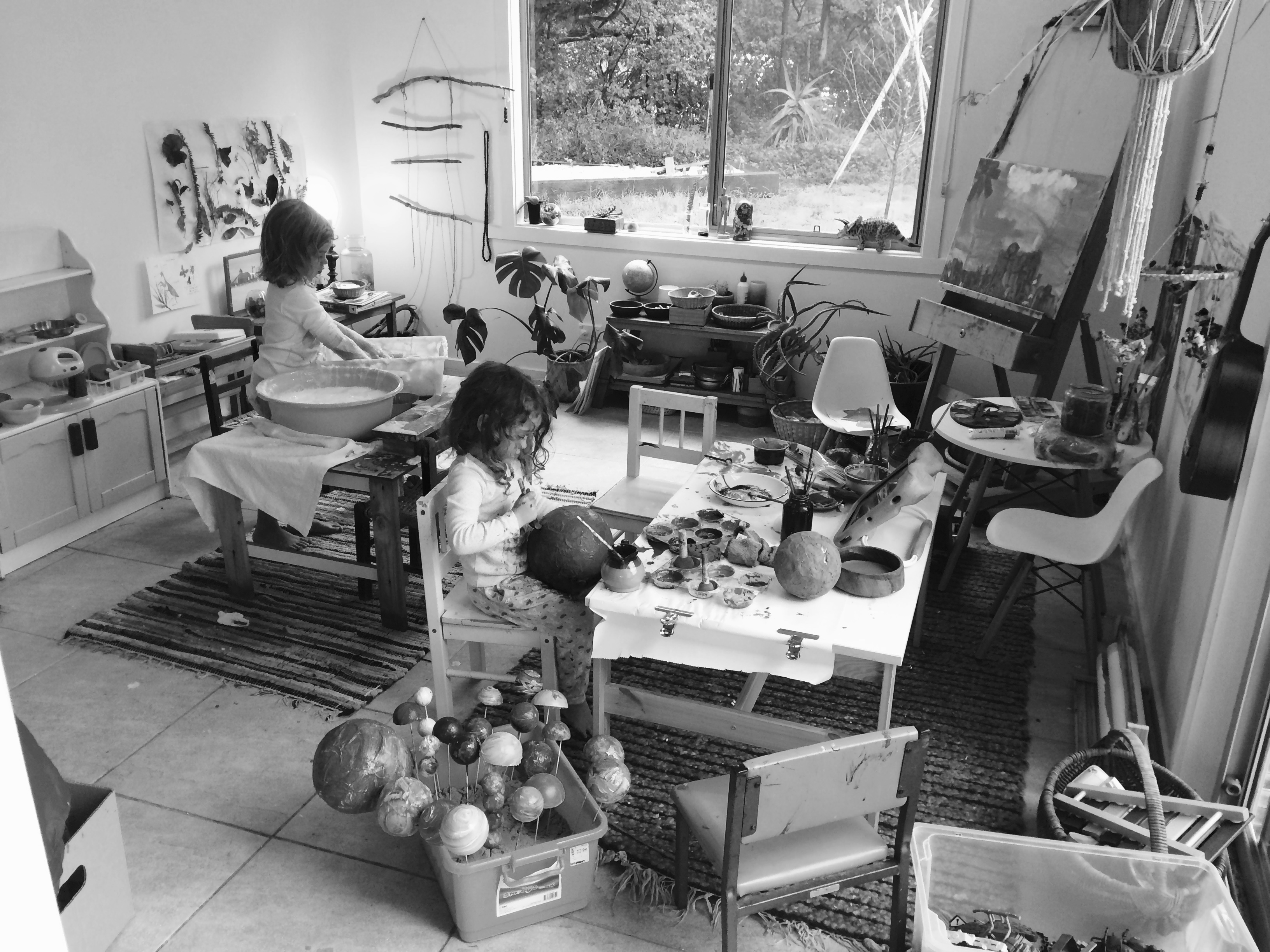
We are learning about space. Imagining whats our there, trying to conceive how big the universe really is, how little we are and really know. The one thing i have noticed the most since coming here, is the stars. Rarely in life, did i look up. Now i can’t help but not. Here in this wide open space, the stillness of night  brings a peace i have never known before. The black skies are free from impeding suburban lights and are now dark and mysterious and filled with such a magnitude of stars. It reminds me how small this moment is, how we are just circling around and around again in life. Children love the mystery, they are more open to mystical theories and stories around life, worlds and gods innocently holding notions that anything is plausible.  Rationality has yet to taint their thinking. They are yet to be corrupted by the rules of the way things are said to be. I don’t want to play that role in their lives. I want their hearts, minds and souls to remain wide open to the extraordinary mystery of this world, of their lives. I want them to believe the believable truth that anything is possible. Because who has the right to say it’s not. Our children are more awake, than ever before. Old ways of parenting and teaching children will never work on these new generations, they know too much, they won’t be dictated to, just because we believe we are older and wiser, if that really means anything anyway. We need to come to children on the level of respect that we wish them to come to us with. My three-year old will allow nothing to be done for her. She will master everything with her determination even if it means kicking and screaming through the frustration of trying. We all listen, usually horrified at the rage that can erupt in her tiny body, but she is adamant on allowing no help. So we let her go, raging and all and eventually she always succeeds in her endeavours. I cannot imagine her learning way would be seen as socially acceptable in a school environment, yet she is very much learning, in a very loud and often obtrusive way. She has not learnt this from people around her, she hasn’t been role modelled this reactive behaviour, it is simply uniquely her, innately born way.  If i was to try to stop or halter her or give her the impression that it is unacceptable to voice her frustration in trying so hard, then i am hindering her voice, her determination, her powerful innate drive to succeed at what ever she sets her mind to. I won’t play that role for my children. I won’t  be the one to tell them that they can’t do something because it seems too hard or implausible. And it wont bother me if she kicks and screams her way through life, at least i know she won’t succumb to being silenced easily.

child-led learning

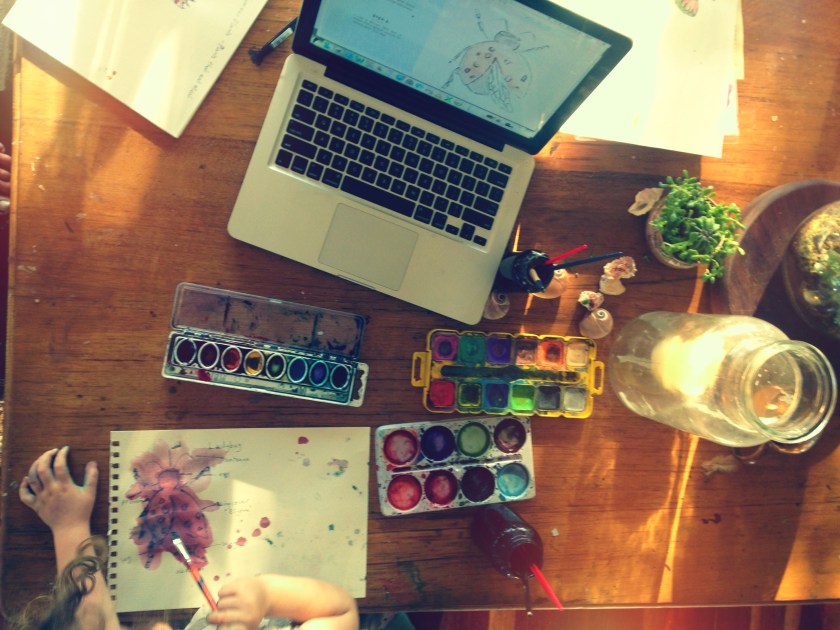
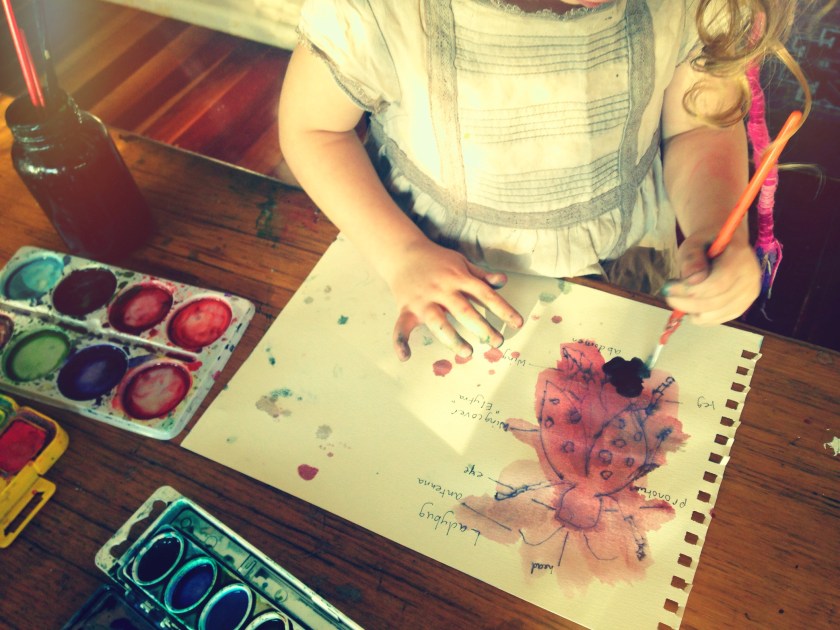
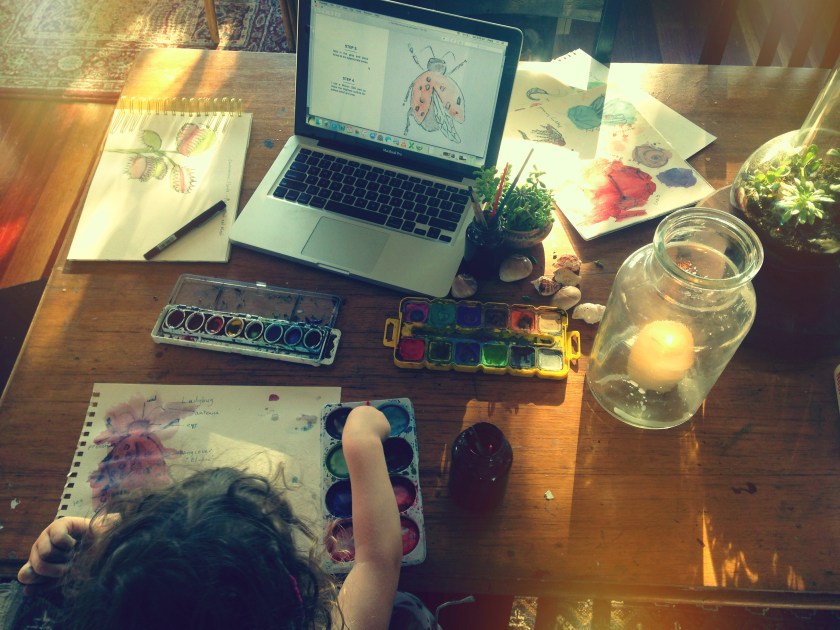
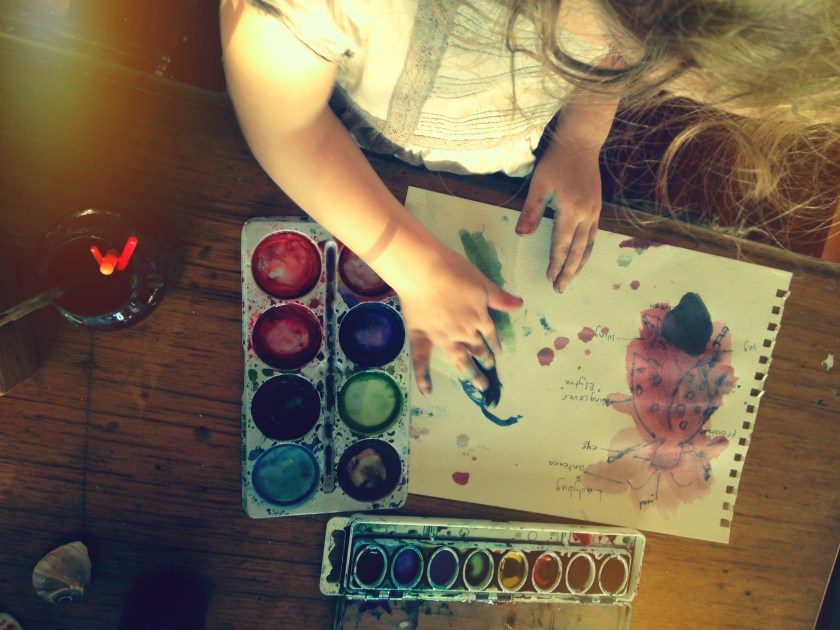
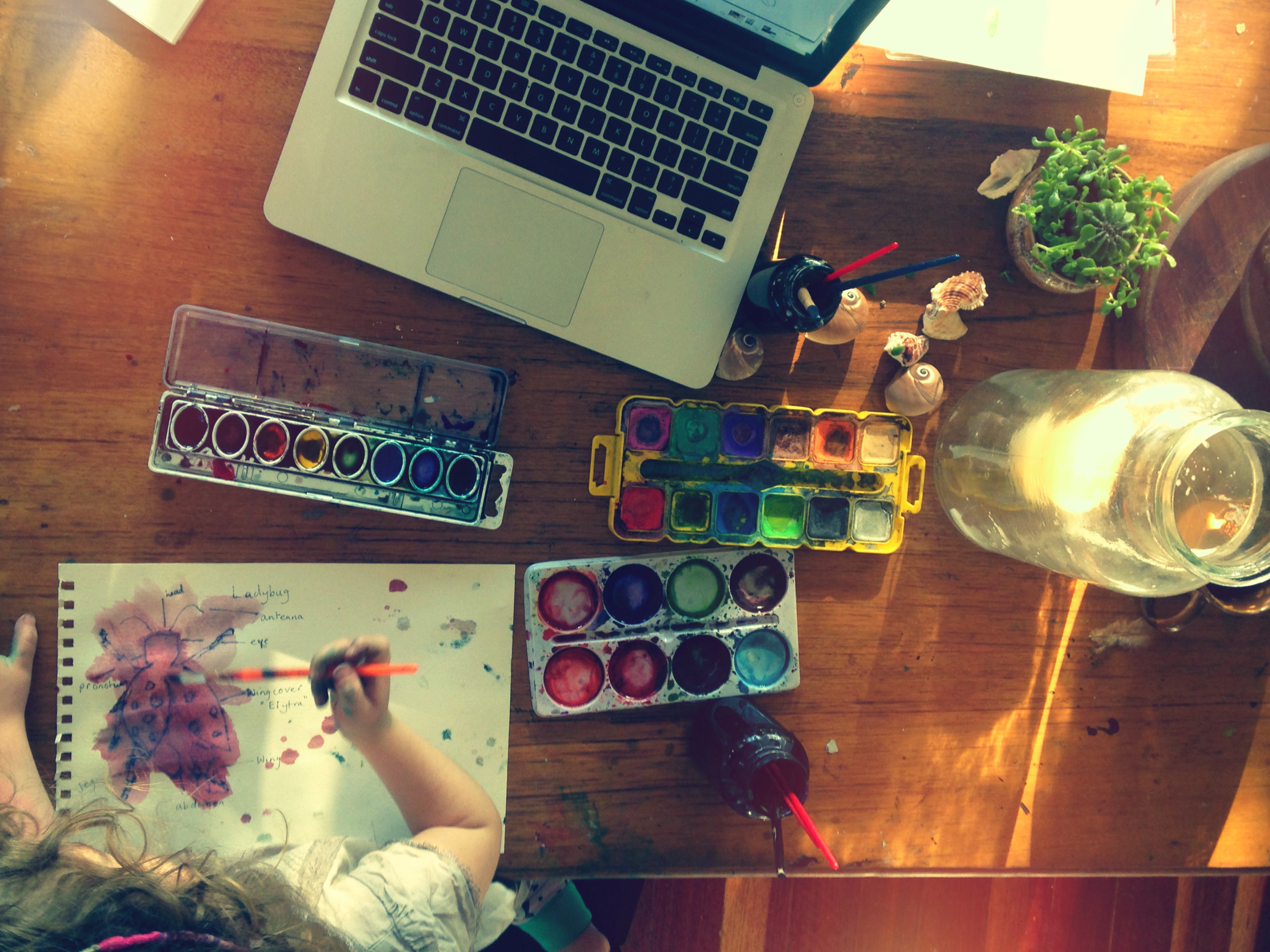
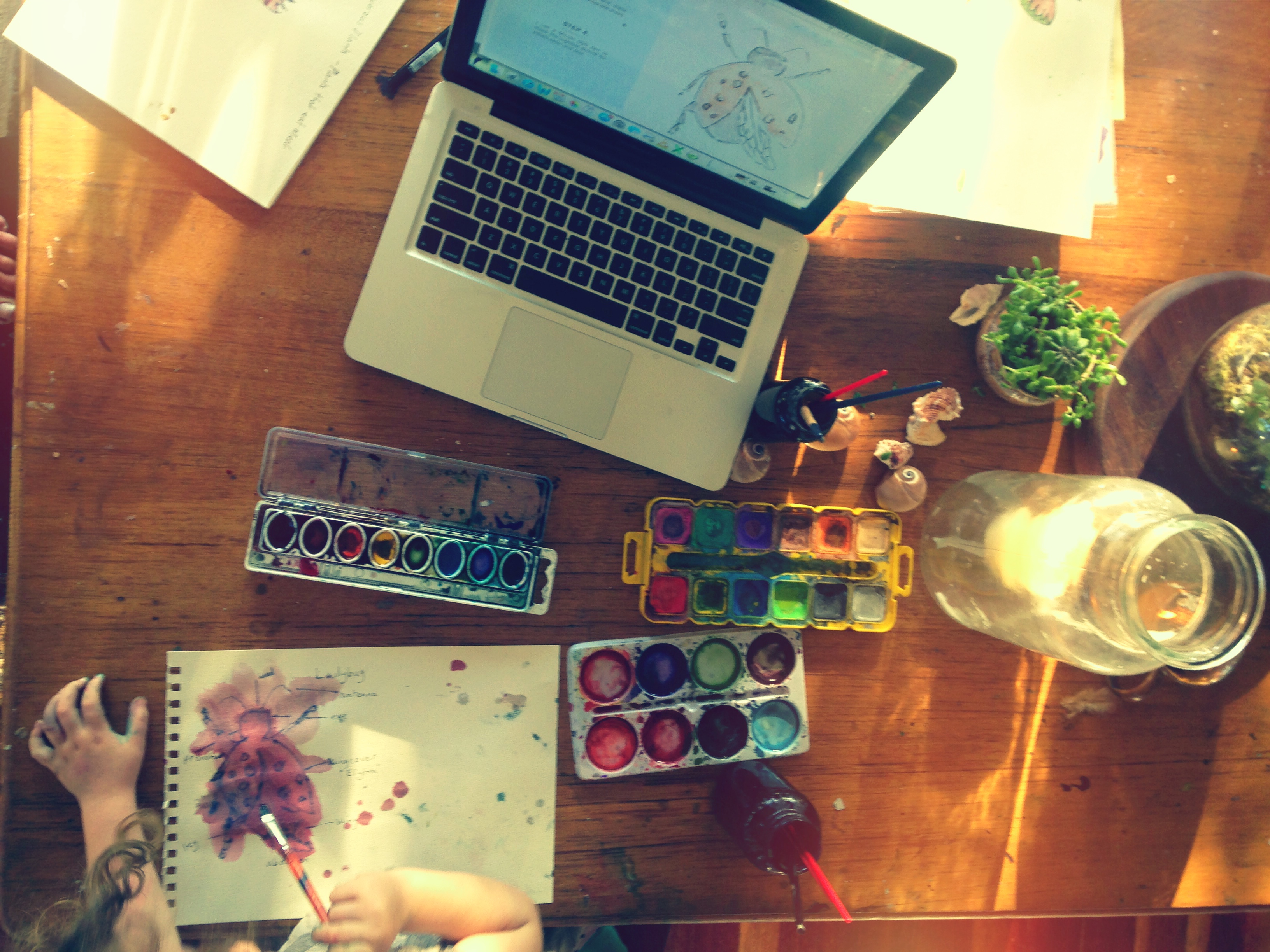
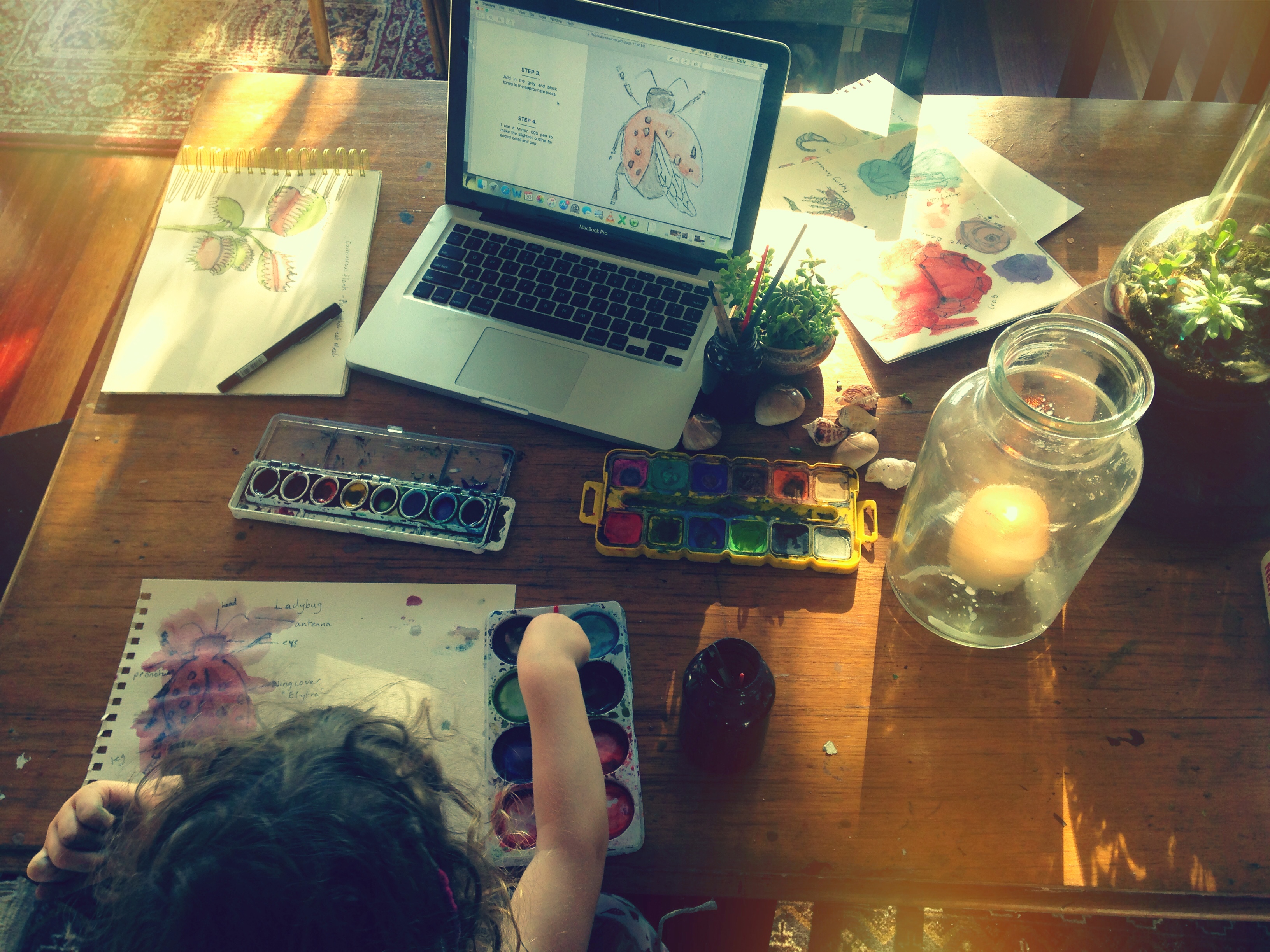
IMG_6488 IMG_6489 IMG_6486It takes courage to follow your own innate wisdom’s, especially when it concerns more lives than just that of your own.  I have always followed the mantra, when you know better, you do better. I am watching carefully how my children are learning, even how other children i am around are learning also, by simply observing, allowing, and encouraging a child-led process to unfold. This area in my children’s development has become a necessary pursuit and now a passion. When developmental  learning for a child doesn’t play by the generalised rules, it becomes necessary to begin the journey of discovering new ways for the information to be grasped, finding a way for the learning to happen. Our way has come to us on an instinctual level, i simply allow my children to lead the way in their learning,  most of the time and almost every day. It may seem unlikely that we could possibly be covering all the developmental learning targets with children taking the lead however, if we are able to get out of our own way of old views on how things must be done in order to achieve results, we open up a new space of possibility for things to unfold. And children are born knowing what they want and need already.  We know this to be true from babies who cry to have their instinctual needs met.  Nobody teaches a new born how to be hungry every few hours or how to be tired, or how to feel uncomfortable.  We trust babies to tell us what they need, to eventually get their needs met, even without the use of spoken language.  So why is it that we stop trusting them, stop trusting that they instinctively know what it is they are wanting to learn, wanting to know more about?  Maybe it started around the time the first three-year olds began contradicting their parents?  A mass collaborative decision to get things under control before an ensue of outspoken three-year olds possibly unraveled?  What would happen if we continued to trust them, kept them safe and allowed them to lead the direction of what it is they want to know more about. All children are curious we know this to be true. Usually about absolutely everything. This innate curiosity starts to take a certain shape and head in certain directions as they grow. I watched a small boy yesterday, load his 4-year-old arms up with off cuts of wood and lug them down to another part of the play area where he was building.  He continued this process of going back and forth, carrying the wood to his construction site with immense importance and determination. He lay the wood pieces in parquetry style, perfectly creating  a flat image of a house plan from his imagination. What was remarkable to me was that he was constructing this project in amongst a highly distracting group of twenty or so four-year olds. I wondered what would have happened if he was left to remain focused on his project for sometime, and given the opportunity to further explore this creative venture, with access to tools and supplies. Who knows what would have become of his fabrication. This is child-led learning. This is the perfect example of a child who clearly has an interest in construction. All sorts of learning can be applied to his choice of project, maths and geometry, comparing and measuring all of which can be explored. Creative thinking, conceptualisation, problem solving and independence all play a large role in a project such as this. Most importantly you will have the desire, willingness and enthusiasm of the child. Isn’t this ideal? Children learning in a way, that allows them to set their own course, a direction of learning where we are simply not filling them with masses of information that they cannot relate to, or have little interest in learning about and possibly will never again use in their lives. Of course, when we leave the education system as young adults we usually once again return to learning more naturally.  When we want to know more about a topic or subject, we begin the process ourselves. Technology allows us to research and explore information on just about anything we want to know about.  We pursue our interests, and intern continue the process of learning by our own innate wisdom once again.

intentionally moving off the path

Asperger would often just sit with the children, reading poetry and stories to them from his favourite books. “I don’t want to simply ‘push from the outside’ and give instructions, observing cooly and with detachment,” he said ” Rather, I want to play and talk with the child , all the while looking with open eyes both into the child and into myself, observing the emotions that arise in reaction to everything that occurs in the conversation between the two of us.”

-NeuroTribes, Steve Silberman

IMG_6164 IMG_6166 IMG_6167 IMG_6168 IMG_6169 IMG_6177 IMG_6176 IMG_6175 IMG_6178 IMG_6179

This is how i want my children to learn, i want to be the observer not the dictator to their curious and instinctual  minds. I want to watch what they are drawn to, and where they take themselves naturally when provided the space, opportunity and environment to do so. I don’t want them ever to become accustomed to what is perceived as normal or abnormal about themselves in a class room, by the  opinions that are deciding where they sit on some grand scale of intellectual competence.  Children are loosing their natural flow. They are being denied the access to learn by  instinctively following from their own interests, a naturally occurring process that is inherent to everyone.  There is no room for individual self-directed learning anymore.  Instead they are being shaped and moulded, and filled with information about things that are meant to support them in their lives, but really have nothing to do with their life at all.  By the time they are reaching high school it’s all but gone. Thats when it really becomes prevalent to what is happening. It is then that they too  begin to realise the sad truth of how little they matter in the system, how small their voices are, unless of course they have an exceptional skill that can offer some personal gain to the school.  It becomes entirely about working hard, retaining the masses of information, memorizing as opposed to learning, endless testing and our children tirelessly keeping pace, trying to  prove themselves over and over again.  It is about them illogically having to have their whole life plan set out before them, at the tender age of sixteen.   This is not the learning we are striving for. The learning we strive for is one that doesn’t require forcing information upon them with the expectation that they retain it and then perform it back in some way, as proof of a job well done. My children are learning to count, I know this.  I hear them practicing all the time, for their own pleasure.  I have also watched them refuse to count on demand or worse feel so under pressure, to prove themselves that they simply can’t.  Testing children is much the same. It fills them with dread, panic and insecurity, and really is no way to conclude where a child’s level of understanding is really at. Testing children in this country in the educational systems is out of control.  We test everything, even how fast they can run, in ‘beep tests’. This has nothing to do with nurturing the physical health of our children, or guiding them towards naturally being aware of how to take care of their own bodies, and everything to do with competition and adequacy verses inadequacy.  Never before in our history has  the pressure to perform been so rampant, you have to wonder how much learning is actually taking place.   We are living in a time where we are now recognising the expansive neurological diversity amongst ourselves, more than ever before, and the educational options to cater for the diversity in our children’s differences is few. Parents are wanting a new approach, they are wanting individual learning styles for their children as they are uniquely learning individuals. They are recognising that many children cannot learn effectively in a traditional school environment anymore.  With the number of children being diagnosed with learning differences it is inevitable that something will have to change. There is simply no one size fits all model that can be followed effectively anymore.