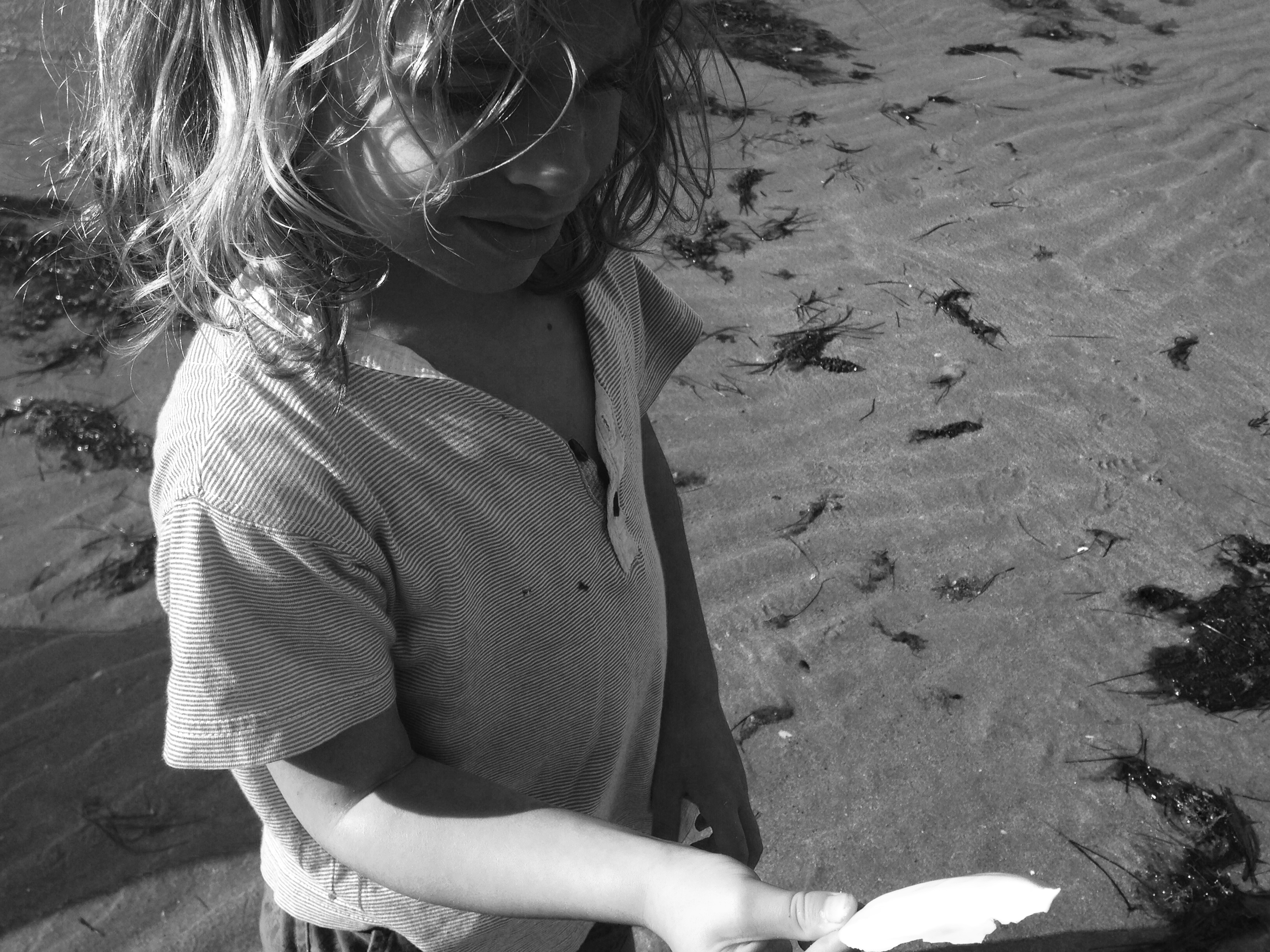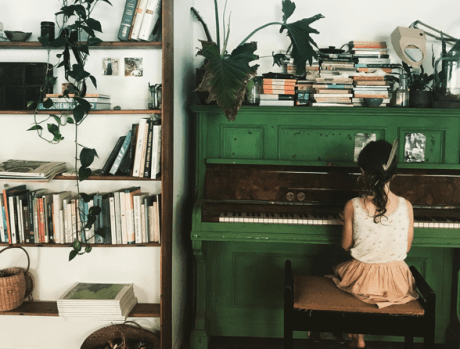
Gods impersonating as children

Healing looking very suspicious these days, tracking along side escalating dollar amounts almost becoming a trillion dollar industry.. If healing is thriving in a time of sickness then we ought to be careful what we name sickness.

-Bayo Akolomafe

What does it mean to be well? Functioning? Normal? Contributing? Sane?

What does it mean to be these things from the view point of an ideology that is failing, has failed and who’s very fabric is falling away at the seams?

Should we even want to be well when wellness means falling back into systematic ways of being, partaking in stories that have not served kindly on the majority of humanity as a whole. Where do we find ourselves if we refuse to follow along, refuse to indoctrinate our children and force them to define themselves by notions that only serve the small minority, but instead waver on the outskirts, on the margins, belonging somewhere but no where from the grand narratives point of view.

How do we justify a life of happiness, enough food, warm shelter, access to clean water, the ability to take what we want to believe in and leave the rest behind for someone else’s contemplation because the harsh truth of it doesn’t feel good, because we know that what is on offer, is most certainly causing another to suffer? How do we justify our phones, our clothes, the very earth we hold ourselves to, when it is to the detriment of another be it human, non-human or life force. Can we still be alright with that, if that’s what it means to be well? Are we functioning well by fitting in, showing up, and wearing the construct of the story that has been passed down, placed upon us, even when we know that the fabric of the construct is dramatically failing and falling away, that it makes no sense anymore to the children that can’t sit still in a classroom, to the children that can’t ware shoes or don’t own any, can’t read or whom carry the companionship of voices in their heads. Are we well if we know these things and still we look the other way, we medicate, force and dominate, trying to make these things fit, that were most likely never meant to fit us this way in the first place.

Maybe we are not meant to be healing, fixing these things. Maybe the children that are being born into these untameable bodies that are bursting in their own wild forces are meant to be here. Maybe they are not really children with Autism at all but Gods of some other time. They are arriving in a cataclysmic motion, with an irresistible compulsion, causing trouble, denying the normative, upsetting the grand narrative. Could it be that we haven’t yet realised it is not for us to decide how they should be in the world, that it’s not really about us shaping things differently so that they can fit better, when fitting in is no longer what is necessary. Maybe they are here to take things apart, to cause mischief in the systems, to undo things, upset things, make trouble, disturb all manner of the seemingly normality of things. What if that story we are trying so very hard to manipulate their bodies into is finished now, that the reason they arrive in such grand force, what has been assumed could be an approaching Autism epidemic is because we are not listening, we are not really paying attention. Instead we are still trying to play out a narrative centred around an androcentric normality that no longer exists.

…maybe we should be ‘considering not what gets in the way of healing, but .. what healing gets in the way of. ‘ -Bayo Akomolafe

Maybe healing and fixing these things is, to not consider what we may not be able to see. Maybe we are yet to have the language for such places. What if we are being asked to consider and trust something so vastly different from anything we have ever known or seen before and what is really happening is that we are scared. We are afraid of arriving somewhere and not knowing the answers, or worse still that there will be no answer. We are afraid to enter into these unknowable places with our children because we feel that we are the ones guiding them, that we know what is best for them, it’s what the narrative has always been. But maybe we need to step down now, from our hierarchy and thinking that we know what is best, for it is overtly obvious now that this is not the case. Possibly it has never been. Maybe we need to place our faith in something else, be it the roots of the tree, the soil of the earth, the unassuming butterfly or the invisible ones who occupy the unseen spaces or could it be in these wild Gods that are impersonating themselves as Autistic children.
..a deeply limited observation, a tiny infraction of sorts

“Where running our of words to describe things.” Tyson Yunkaporta

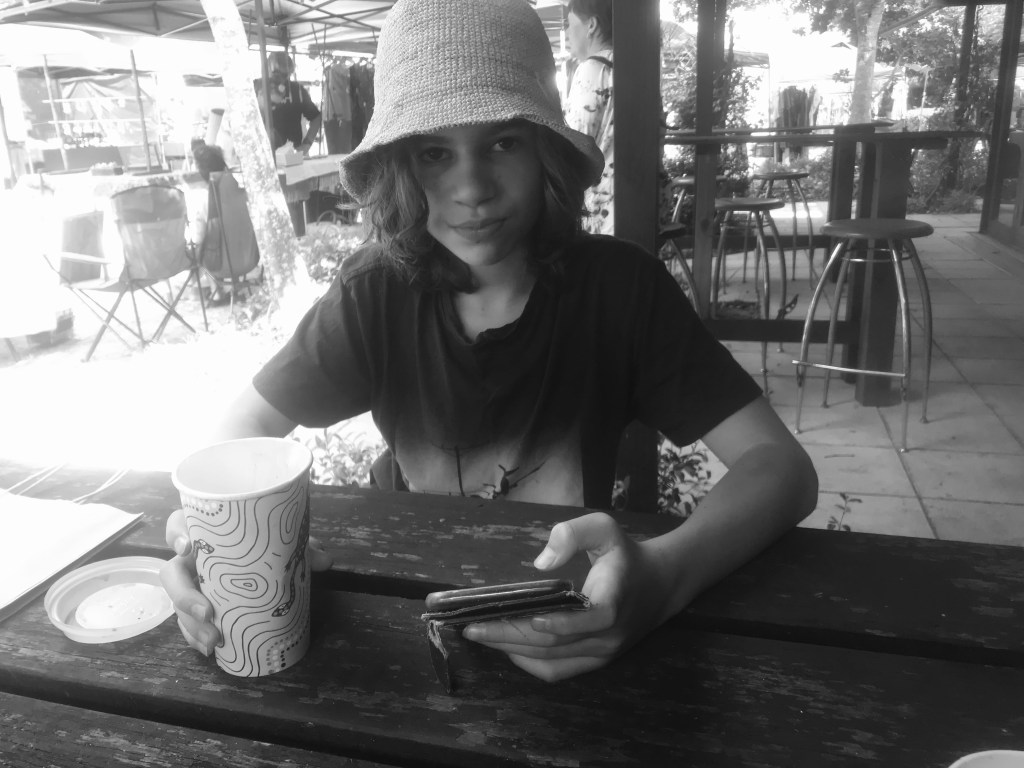
He is not just thinking in spaces of here, nor in places that are concrete and known by the matter of what we assume to be fact and certain. A red chair is a red chair that sits before me. He’s not just thinking with his own mind in the solitude of self, individualised and seperate as it seems, in body and space. He is not thinking alone like this. He holds access to a magnitude of worlds, of universes, of things that perhaps cannot be known about or seen or touched by us from this point of time or from this point of reference. He, at times whilst in the thoughts of all that cannot be seen or touched, moves in a systematic dance with his hands. Visually sifting and sorting out the invisible threads of creation that contain the fabric of the unseen worlds. He has no real name for this, but his look assures me it must be done. He is not really all here but neither is he all there, where ever there is. He floats in the mystery of this space not really fitting anywhere. He comes not wholly in the light nor from the depths of darkness, but sits within the equanimity of both, which he says is a shade of purple and is where he needs to be, no matter how I try to lean him futher into the light of grace. There are things he says, are not for me to know. So I let them be between him and his God. It would seem that he is here to do things that are not really of this world at all. He seems to be working from some other unknowable space or perhaps place. He seems to be doing something here, that possibly matters, that is possibly necessary, yet it remains in the unseen, it is not tangible, cannot be recognised or commended and proudly acknowledged, there’s no certification for work like this. At this point, it would be more rational to disregard, to disorganise his innate, organic organisation, to attempt to undo his unusual invisible doings, to dismiss his hand dances as repetitive self stimulatory behaviours, or so it would seem. Yet, the small voice of my own knowing says that what he does, must be done. That this is not mine to contain, name or control. It is not even mine to understand. Do you suppose that maybe nothing needs to be imposed here?

wander lines

A philosophy of tracing 

This TRACING / from before the sign / I will never cease to see in it / what no gaze / would it be mine / will ever see • the human is there / perhaps / quite simply / with no one in the end / without voice • those / TRACINGS / are from my hand which borrowed the manner of handling / the style of this janmari who speaking is not • and everything that I can write from this / TRACING that all the writings of the / world have no chance of drying up. (Deligny, 2007: 813; quoted and translated in Alvarez de Toledo, 2013: 5) 

I am exploring wander lines. trying to move away from neurotypical thought processes to a wider less structured thought way. I am trying to not think in straight lines, like my son and my eldest daughter, they don’t think in straight lines.

I was leaving early on a Saturday morning to head to a farmers market. It’s always a big day, a big drive there and back. As i was heading our down our driveway i was stopped by fallen trees laying across my access. This was a big deal, they would have to be moved and i was annoyed that i was the one having to do it. From closer inspection it would require a chainsaw, not an easy task for this moment and for one person. I worked in slight annoyance, internally voicing my frustrations at the inconvenience, which could have been tended to yesterday. Why didn’t she say this needs to be cleared, she knew that it was mess, she knew because she walked over it to check the mail. Why didn’t she say you won’t be able get through tomorrow. I was having a self indulgent early morning rant to myself.

Nevertheless I was able to clear the path, remove the trees and branches and the nuisances that were ailing me and was on my way to the farmers market. All was well. On my drive I calmed. Breathed. And there it was. I understood the need for the early morning obstruction. The obstruction was not in the fallen trees on my path, it was in the obstruction of my thinking of how she thinks. Yes, she knew about the fallen trees, yes she mentioned them in an incidental way, but she wasn’t thinking in straight lines. She doesn’t think in straight lines.

I had been pondering on Deligny and his maps of wandering lines. I was wanting to understand this more, explore it from new spaces within my own thinking. I was wanting to see it in movement, thoughts in processes not travelling on straight lines. It seems someone was listening.

The straight line process would have been to notice the fallen trees and say we need to move them before tomorrow morning. It would have been to work together and have the driveway cleared for access again in the morning. But that’s straight line thinking, neurotypical line thinking. Its thinking- action-result kind of thinking. Its thinking that has been educated, indoctrinated, cultured into us like good manners. Its viewed as rational and necessary, as normal.

But it starting to feel false. As though by thinking in such ways we are denying something else. Perhaps something is becoming lost within us, within this process, something innate, ancestral, something that offers more to the experience we are having. We are not seperate from our experiences. My fallen trees were my lesson here. It would seem as though they were a cleverly planned obstacle placed within my path, within my thinking of things. They were my obstruction of thought and became an invitation to think of things from wandering lines.

Deligny clearly recognised this in his working beside non-verbal autistic children. What can be lost within the language of words. It reminds me of my son when he was small. He didn’t talk with words until he was four. We had to understand each other in other ways, by other means. We had to feel into these places. I had to remind myself that i can know him from here, just as a mother understands her newborn babe, words become so unnecessary from this space.
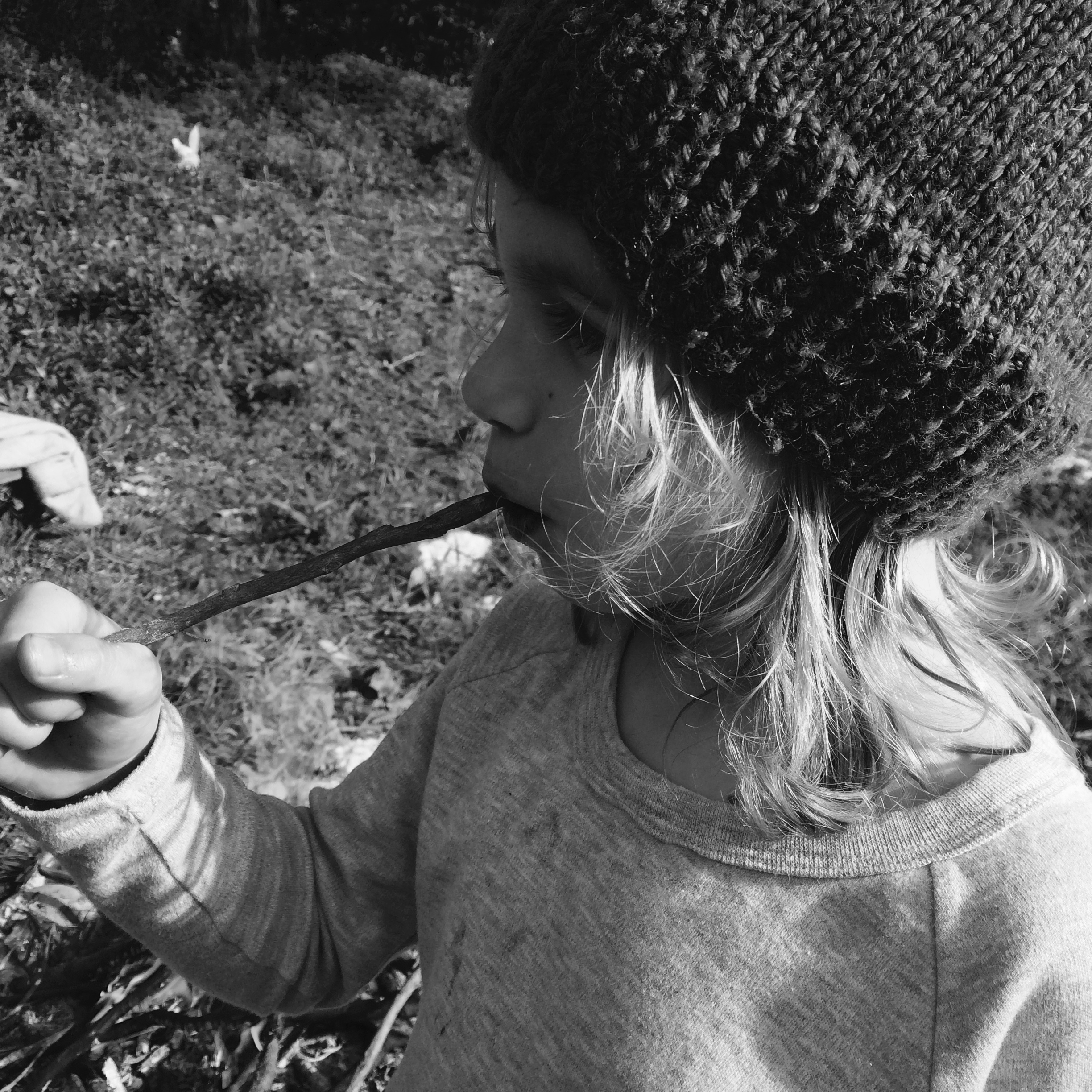
..that touches us without our knowing why, a touching that occurs not through the effects of language but beyond, where “something that cannot be seen” exists, something ineffable but nonetheless “immediately felt” (Deligny 1990).

My son thinks in wandering lines. He has his own maps of thought. They make little sense to the indoctrinated typical mind. They aren’t clear, they don’t stay in one place, they cross space-time- realities. Yet when i listen, really listen, his anarchy of thought makes way for contemplative thought, they invite possibility, maybe not always in this place, or in this time, or even this universe but what he chooses to use his voice for is stories of happenings and who am i to determine such things as real or not.

carly

beings as wild alters

“I worry about fixing these bodies that are beginning to experiment ..when we have fixed the human race the human race can no longer evolve. 

We think of ourselves as a climatic species but we are living in dynamic environments that are shifting that we will need to glitch out and become disabled in order to inhabit and so I worry about fixing these bodies that are beginning to experiment at the very edges of the eco tones of what is supposed to be materially appropriate. So somebody’s body that could be fixed I wonder if it should be fixed.” -Sophie Strand

this is the space I find myself occupying now. im sitting in wander. wandering lines, that are not set with a concrete direction or goal orientated destination, i already know that there will be no real answers to the questions that i am asking here. there will be no ending or certainanty, to be looked forward to. it will not be completed with yet another DSM5 diagnosis and a full stop. no, that is not the way of the wandering lines.

when I speak of wandering lines i am thinking away from what we think we know about autism, mental health, stability, what it means to be well. i cannot tentatively hold myself completely to notions of how the world interacts and responds to these things so much anymore. i have cautious steps now. i have learned to not trust the narrative. i have ventured in my thinking of things from wilder places.

 It’s in the glitching out, its in the disability, its in the diaschronic. Its in the place that we loose eloquence that God comes in.  

Bayo Aklomofe

instead i find myself trusting something that cannot be named, that is innately inherent, and who’s guidance has never wavered over the years. my faith in these unknowable spaces have always shown me the way, where to place my next step, or they have laid before my very feet the guidance i am seeking. these Gods have always traveled beside me, even in the times when i wasn’t able to hold space for them.

The void isn’t empty. The gods are everywhere. We are swimming in dynamic, animated, tentacular territories and there is no escaping that, there is no removing ourselves from that. We are always in conversation with these bio field signals. 

Bayo Aklomofe

my son’s story is unfolding in wildish uncertain and sometimes uncomfortable ways. when he moves, it is through space time, through universes and galaxies and inconceivable notions of more than we can comprehend. i’m sure its not really new to him now, i think he has always occupied these wide places of existence. maybe what’s new is he is somewhat more aware now of this traveling self he inhibits and it is beginning to ruffle him. it has become obvious that he is not contained or limited in his thinking or do i dare assume knowing, to any preconceived ideas of how we exist in the here and now. he moves from spaces much wider than that.

i as a mother of this young human, and my ‘i’ in this is small i know, for i don’t think he has ever been a child, especially one for me to call my own, he belongs to something much greater than that. nevertheless, i wonder where i am to stand in the witnessing of this unfolding of self and other. i wonder where my place is, if it’s really relevant at all, from such expansive unknowable landscapes.

i have borrowed a notion, of’ beings as wild alters.’ Bayo Alomofe tells of a story of his beloved wife Ej and her philosophy towards caring for their son in the unknowable times of trouble. i have listened to this story many times over and it always brings me to tears, it reminds me of all the times i too have fallen to the ground to be beside my son in the face of the unknowable storm. Ej invites us to hold our children as alters, as a wild place where the subject is not to cure or to fix them into sanity, instead the object is to worship, to stay in the trouble of the yelps and screaming. this resonates in me, it makes sense to not move in these times, but rather lay down in the face of the fire. for, we can never be sure of where the fire has arrived from or where it is on its way to, we can never be certain of what it means to have such things move through and captivate the bodies of our children. there is no real language for these places, perhaps we are not meant to bring them out of the turmoil, or lead them away or quieten them down, we don’t know what they are moving in the heat of the storm.

schools of trust

“Like cattle most humans live and die in passive subjection..We live lives locked into narrow patterns, often filled with great suffering and it never occurs to us that we can actually become free.” -Samadhi

“My dream of course is that we give up these dreadful authoritarian prescribed hateful state systems that clearly everybody agrees.. are obviously failing..”[Derry Hannam, retired school inspector]  We are so afraid of giving children the freedom they deserve in being the driving force for their own education, that we are doing them an incredible injustice in their opportunities for true learning and for their lives.  This is not what children want or need anymore and It is not what is valuable for our futuristic world either.

“We need young people who are independent, who are responsible for themselves,…who can work without strict leadership, we need young people and employees who can think outside of the box. Thats what we need. Everything that our schools don’t allow. It what companies need. It’s what science needs. Its whats needed everywhere.”  [ Jesper Juul, author ]

Why I won’t force my son to stay in school


” I think i’m getting dumber”.

This is the statement my 15 year old son made to me one day after walking in the door after school. So my question is, what are ‘they’ doing to make him feel this way about his own intelligence? Why is my son no longer feeling capable?  This is not the way he feels about himself outside of those school walls.

We send our children with enormous amounts of trust into these school domains that have become by law.  We  place our trust in allowing other people, to mould and influence our children’s own innate belief systems because we have been enticed into believing that this is the only way that they will be able to successfully make it out there in the ‘real world’.  We  have been led to believe that they are the better ones or rather ‘only’ ones who know how to provide them with the knowledge and experience that they are going to need.  These notions are ludicrous. This is an old story. And it does not fit our world anymore. Parents are afraid to change it, children are becoming unable to stay within it.

I have seen children unravelling, questioning everything they thought to be true about themselves. I have seen their sense of worth be so diminished by this system that it’s frightening. Our children are never born into this world feeling about life or themselves in this way. So why do they get to 15 and suddenly feel hopeless? Why are they questioning their worthiness within the school domain and worse, then how they’ll make it in their lives outside of school?  Suddenly this place that they have only ever known and trusted (because we said to) since they were five, no longer feels good to them? This place no longer wants them, if they cannot provide them with the highest scores, and grandest achievements and keep themselves from questioning anything. The school domain begins this subtle elimination process early, while young minds are still susceptible to easy manipulation. They question 14 year olds about what path they are considering taking in their educational futures? Are you staying or are you going? As if they are meant to be considering it at all? Aren’t they ALL allowed to stay? The system works out who is worth supporting through to the end and who should be sent packing towards other avenues. These  avenues that are suggested usually feel to the students like the road the ‘dumb kids’ take. Of course, they aren’t but the fact is, that this is the perception that has been created by the system.   The message isn’t even hidden, it’s said directly. [Maths teacher] Are you taking Maths next year? [15 year old]  Yes Why? I’m good at Maths. [teacher] You might want to reconsider that choice.

The system is old, the story is old, it doesn’t work, it most likely never did. We are so far behind our children, that we can’t keep up, and they can’t sit still anymore. Conformity and confinement to uncomfortable conditions in rooms is cruel.  Tables with hard chairs, textbooks and dictation is not working. Trying to control this situation with imposing punishments or worse medication to fit this dynamic, is unquestionably not the answer. The system cannot be reformed,  the story must be transformed.  Learning is innate. Learning and creating is a every human beings right, they will do this without force, if we let them. Possibly, it’s time to begin listening to these young minds and what they are wanting to learn for themselves, instead of dictating an outdated curriculum and insisting that it is what they will need for their future ‘survival’. How can we possibly even know this? We could instead be supporting their innovativeness and their desires to explore and create around their own interests. We could be assisting their learning by trusting them to know what supports it is that they need, instead of compelling them to abide by a support system that is failing to adequately support them anyway.  If our education systems can move towards more agile learning environments with, student-directed programs rather than the enforced dictatorship we currently have; then possibly our young minds operating within these systems can begin to start thriving instead of merely surviving.


How Children Fail

…thus  we find ourselves trying to poke certain facts, recipes, and ideas down the gullets of every child in school, whether the morsels interest him or not, and even if there are other things that he is much more interested in learning.

These ideas are absurd and harmful nonsense. We will not begin to have true education or real learning in our schools until we sweep this nonsense out of the way. Schools should be a place where children learn what they most want to know. The child that wants to know something remembers it and uses once he has it; the child who learns something to please or appease someone else forgets it when the need for pleasing or the danger of not appeasing is past. This is why children quickly forget all but a small part of what they learn in school. It is of no use or interest to them; they do not want, or expect, or even intend to remember it. The only difference between bad and good students in this respect is that the bad students forget right away while the  good students are careful to wait until after the exam. If for no other reason, we could well afford to throw out most of what we teach in school because the children throw out almost all of it anyway. John Holt, How children Fail, 1964

I know, I am unrelenting in my passion towards changing the way children are educated. I also realise that the very idea that the school system may not be working for our children, is just too hard to even contemplate for most. We have come to rely on the ‘system’. We have come to expect that this is the way, the only way our children can learn, therefore be educated, and have a successful life. This system has become so normal and so accepted, that to veer in any other direction is met with disturbing scrutiny. Nevertheless, many brave ones are tempting the path, and heading themselves towards uncharted waters.  We are a part of this movement. Not just because we love Autism too much to conform it out of our children but because we are simply not willing to conform our children to fit a broken system.  We are moving towards empowering our children rather than suppressing them. Moving in a direction of allowing, rather than controlling their minds and bodies.  Trusting that they have the ability to learn what it is they require to know at any given time. Much the same way we trusted that they would recognise us when they were born, or learn to walk and talk without our forced instruction.  Most important, understanding that they are not here to fulfil any requirements of my ideas of what they should be doing with their lives. This is not a new notion. There has been a quiet progressive movement towards this for a really long time. A.S.Neill founded Summerhill School, the first ‘free to learn’ school, in 1921 and the Sudbury Vally School in Massachusetts has been successfully running since 1968. Many more have been successfully modelled on this idea of educating.  The idea of allowing children to be free to be who they are, embrace what they want, and learn in a way that comes naturally and supports their thriving, is not really as radicle as it may seem. There continues to be an unassuming movement towards freeing children from the grips of the industrialised school systems. This unyielding movement is steadily growing and I assume will keep on growing as parents become less and less contented in allowing the detrimental failings that schools are  having on large proportions of children.

SaveSave

SaveSave

SaveSave

SaveSave

SaveSave

SaveSave

SaveSave

SaveSave

SaveSave

learning from a barefoot movement

‘First they ignore you then they laugh at you then they fight you then you win’ – Mahatma Gandhi

Any proposed new idea that is going to  challenge a way or belief that has been followed and indoctrinated  for so long is going to gain immense resistance. But to keep going along with systems and ideas that we know are no longer working especially when those systems are ones concerning our children, is no longer justifiable. We are in a time that is requiring brave people to come forth with new perspectives, even if the perspectives are seemingly unorthodox, in the beginning. It is no secret that the education systems in western civilisation are having an adverse effect on children. Some of the most revolutionary ideas of how we may move towards a more diverse and nurturing educating way to serve future generations of humanity more effectively, is coming forth now.  Having  had children that patently do not fit the mainstream educational systems without having to clearly identify necessary provisions in order for them to participate, indicates that change is necessary and any system that no longer endorses notions of what we are deeming to be normal and abnormal is much welcomed from where i am standing.

thinking on tippy toes

img_8373 img_8378 img_8376 img_8377 img_8375 img_8374


This is what i intrinsically believe learning to be for him.  Thinking requires immense bodily  movement. Walking, talking, bare feet and tippy toes.  Thought forms are  spoken out loud with tremendous enthusiasm and with repetition to anyone who is readily available to listen. He will do this until it makes picture perfect sense, to him. And sometimes it is absolutely necessary for him to move to higher spaces, where the air is somewhat clearer. Floor play is the preferred play way where chairs and tables are rarely sat in for extended periods of time and if they are he prefers not to sit down in the traditional sense. He moves to the freedom of how he is feeling and there are no forced days he is required to fit into. He is moving completely at will, and to the flow of himself.    Everything requires  a curious explanation with the discussion beginning first thing in the morning and continuing the entire day. There aren’t really any schedules or rules to follow, except eat when you are hungry, rest when you are tired, bathe when you’ve changed colour and if you can make it yourself, then you should.  This is what free learning for him means and as he embarks on his learning adventure, he won’t be constricted to rooms, spaces, furniture or shoes.  His body will remain as free to move with him as his mind is. He can think out loud, as loud as required without disturbing anyone. He can speak his thoughts as they arise without needing to pause and wait until appropriate discussion periods are allocated. This point is particularly important to note as often his thoughts and ideas that arise during conversation require additional verbalization for it to make sense to him and necessary if you are wanting him to retain the information for further learning at another stage. Often if waiting is required even for short moments, the ideas and the words chosen for the communication are unfortunately, usually lost.  His contribution to his learning is on going, and most importantly moves to his unique flow. He is learning to collaborate with people, not of just the same age and or development but from the many ages he is surrounded by. And like adults he choses who to engage with not by age but by the more natural laws that attract people to each other.    He is fortunate in not  being confined to only the experience of five year old minds. He partakes in the wild and expansive imaginations of his younger and older siblings, in a kind of play based learning that if acknowledged and rightly valued, should continue way past pre school years and will undoubtably continue to serve them all for the entirety of their lives. Materials that are usually phased out during the primary school years will most likely remain in our learning experience. We won’t be out growing our home corner, by the age of 6. Home Economics will grow and expand as he does. He will be able to learn math and operate the washing machine. We will learn about anything and everything that he arises interest in and we will learn it in a way that we have advanced to. There are few rules and no time limits allocated to any one subject. Everything can be interwoven and overlapped and expanded if there is freedom in learning.   I know, there are schools like this that exist. Learning environments that are willing to take the alternative way towards educating our children, one that nurtures individuality and inspires curiosity and most of all  values children’s innate ability to know what it is they are wanting to learn and know about at any given stage. And even though there are a few, it’s not many. And we are needing many. We are requiring this approach of educating to no longer be the alternative approach and  in retrospect only available to a handful of children but rather how unprecedented would it be to integrate this alternative way into the whole. And allow our children to truly lead the way in their learning abilities.
my path of least resistance

IMG_7603 IMG_7607 IMG_7610 IMG_7611 IMG_7612

I’ve decided to stay with myself for at least 30 days. Much like inviting an old lost friend over to  spend some necessary time with. I’m getting to know the me that is within the me.  I’m wanting this to be a beginning of the commitment to myself. This is my gift to myself. This is how i will begin the practice of moving with intent, intentionally moving with purpose.  I am keeping myself in the moment, from moment to moment what ever that entails.  I’m asking all the questions that one asks when arriving at this place in their life. And I’m listening whilst deeply awaiting the answers. This is how the clarity is surfacing, things that seemed important, are no longer. The ideas that i have been moving my whole life from are changing, I’m realising that they have never been my ideas.  I’ve been following a way, a human blueprint for’ this is how things are done way’.  And this simply does not fit with me anymore or possibly i am no longer wanting to be a willing participant.  There is a larger picture, a greater more expansive idea of ourselves, if we are brave enough to jump and i’m jumping in. I am moving from within, from the inside out. It will be my creative force that will bring forth my ideas that will define my path now, not a story generated so long ago that it no longer makes sense in the world of today.  Somewhere along the road we stopped listening to ourselves, and we started following, following all those who went before us. We did this in trust, that they knew better and knew where they were going and that it would lead us too, where we believed we needed to be. I’m not so sure that’s how we should be moving now, and I am sure that it’s not those ideas and deep-seated beliefs that I’m going to insist my children learn from and follow. I know that they already know who they are, it is not my job or concern to cloud their views with personal or world fears.  Their stories are that of their own and i trust they know what is best for themselves. My children have the freedom to be. I am not insisting that they part take in the situations to which conformity is enforced upon them if it is not what they are wanting, even in their young ages this can be clear. I’m giving them the space to feel their way rather than filling them up.  They will be free to choose and lead their own ways. They are my greatest teachers. It is in all their innate determination and unwillingness to conform to the old stories and beliefs that keeps me asking the unorthodox questions that need to be asked now more than ever before. It is them who have come forth and bought me to where i am standing now, who are leading me towards higher grounds, and i am willingly letting them lead the way, all the way.


leaning towards un-schooling

IMG_6801 IMG_7584 IMG_7591 IMG_7594 IMG_7599 IMG_7601 IMG_7597 IMG_7611 IMG_7606 IMG_7600IMG_7605

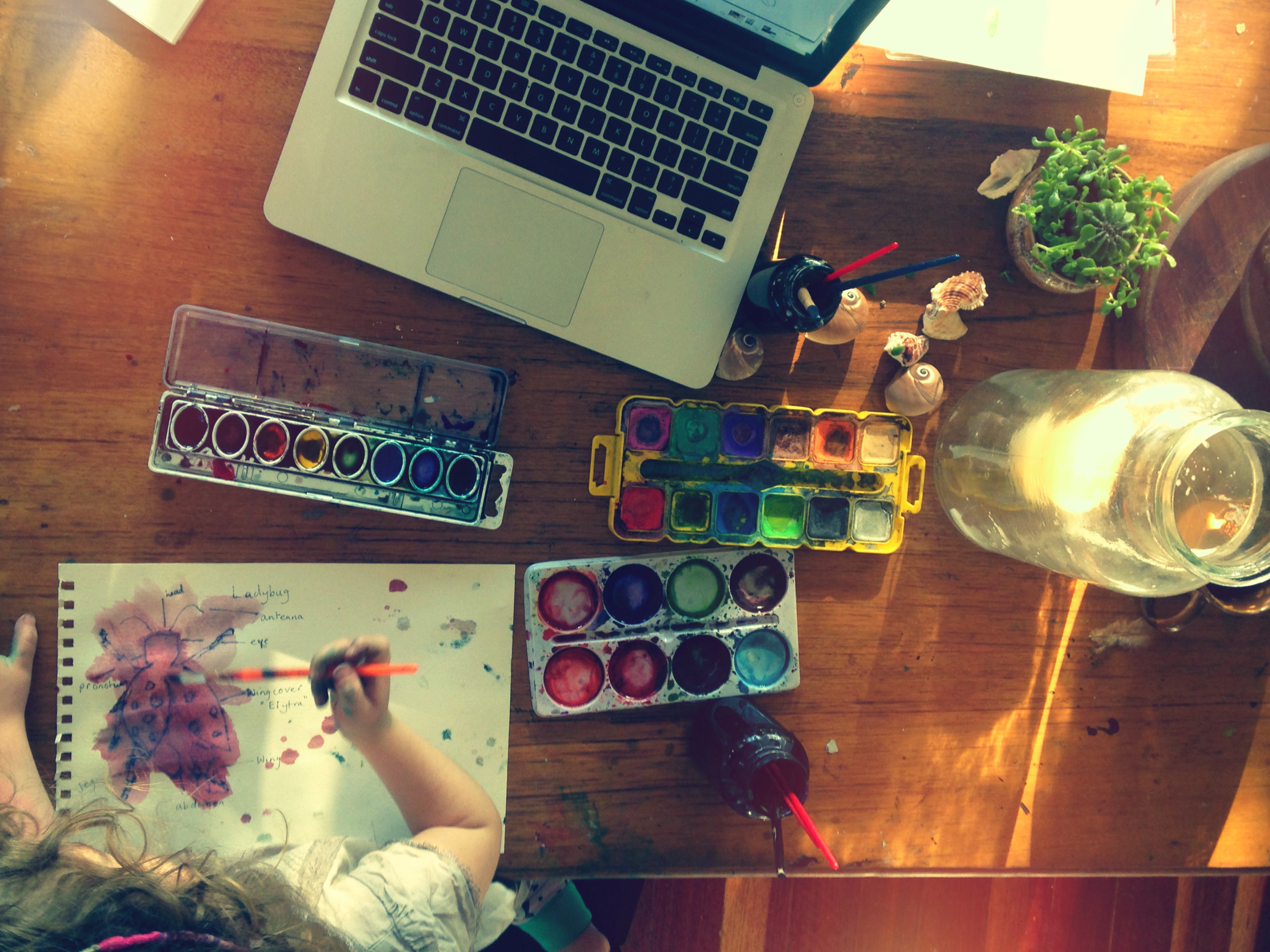
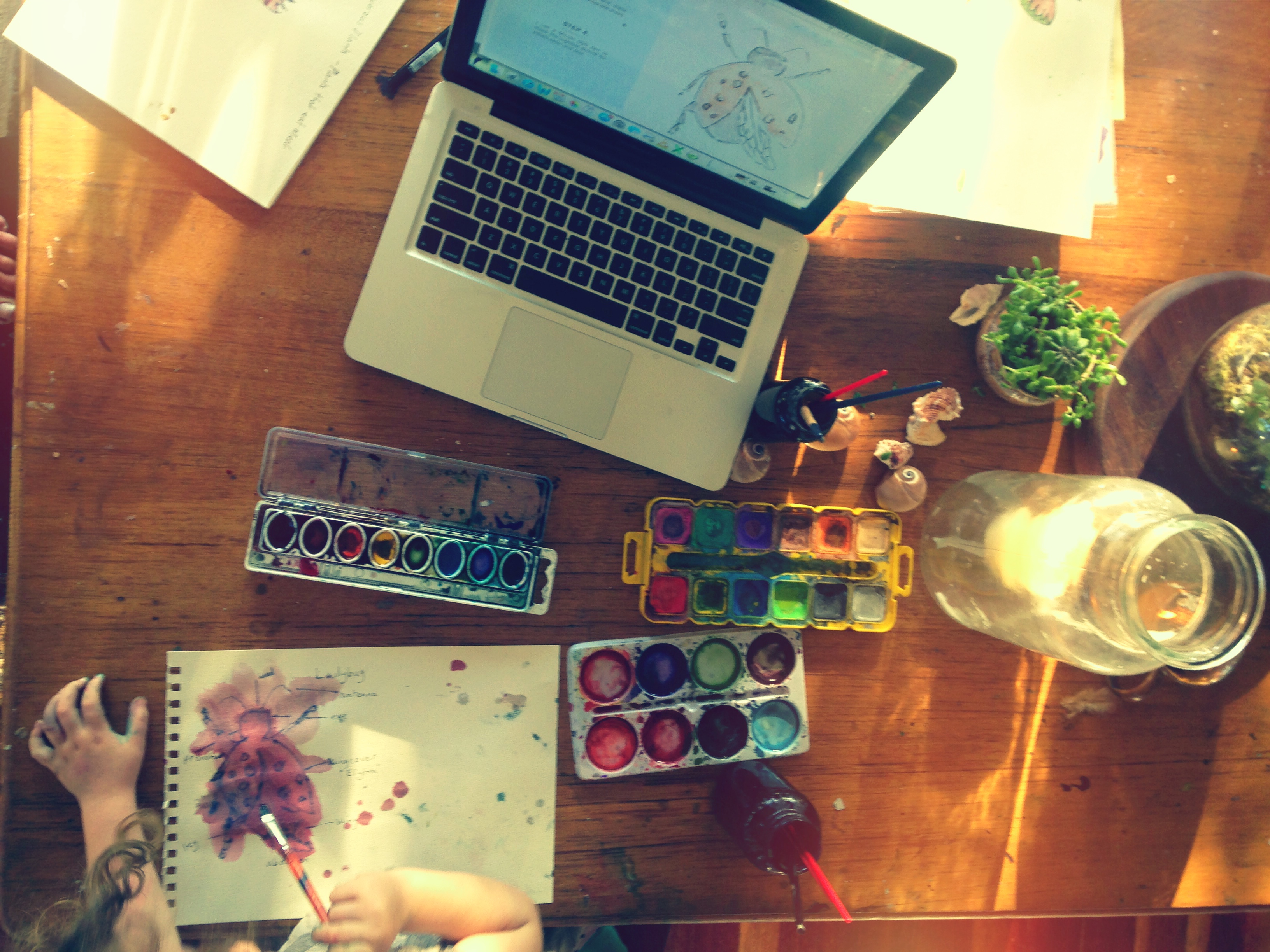
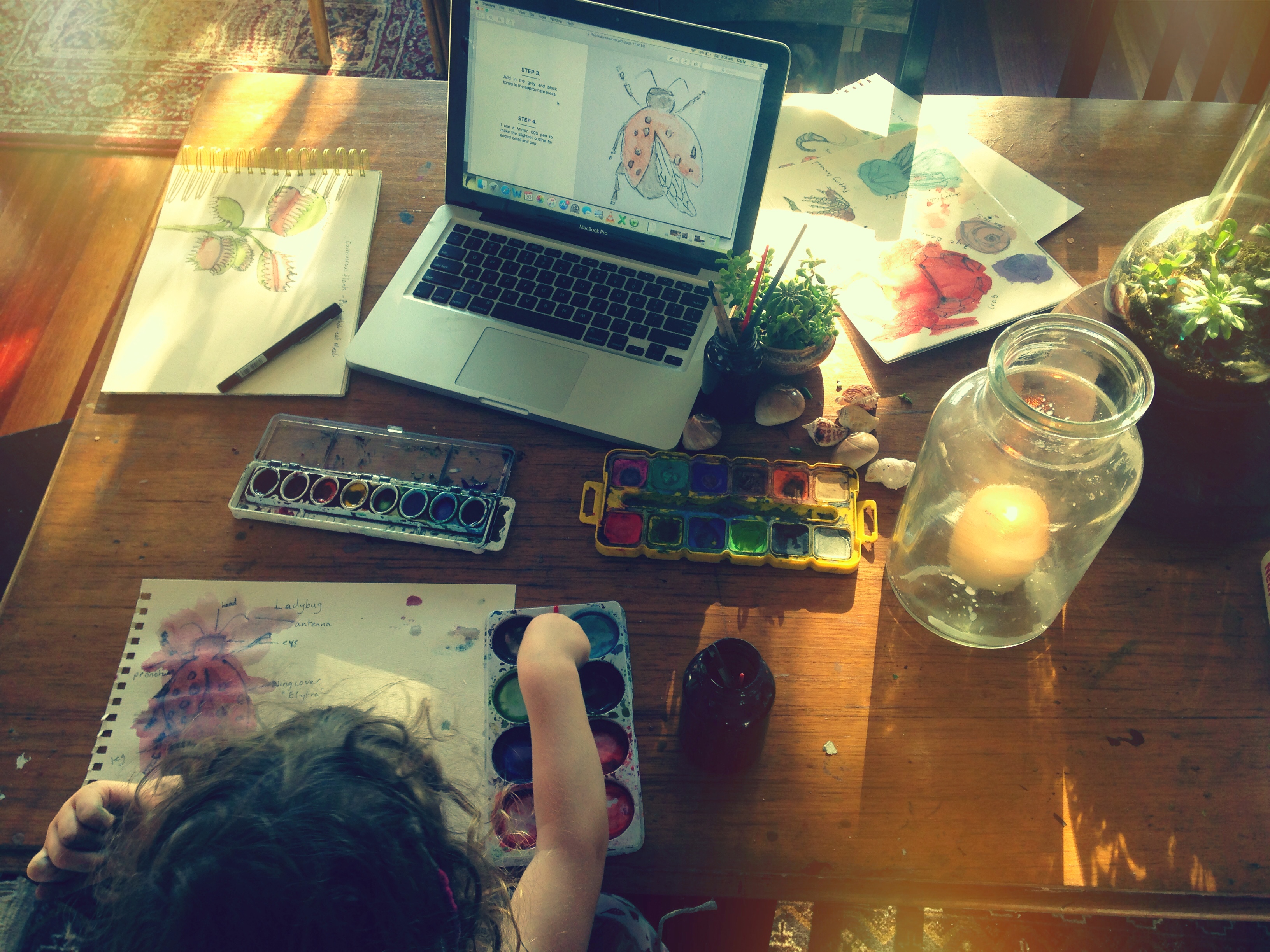
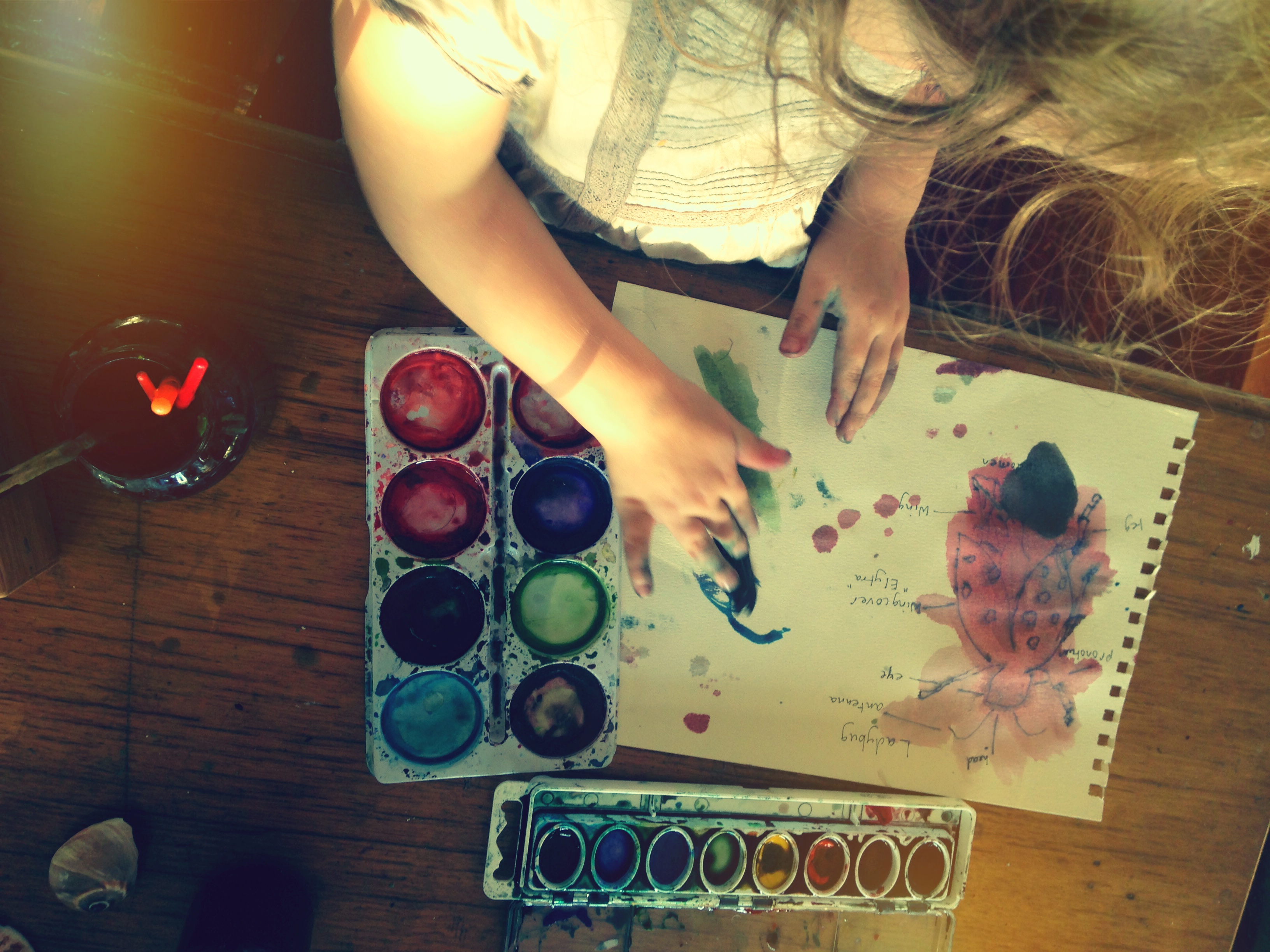
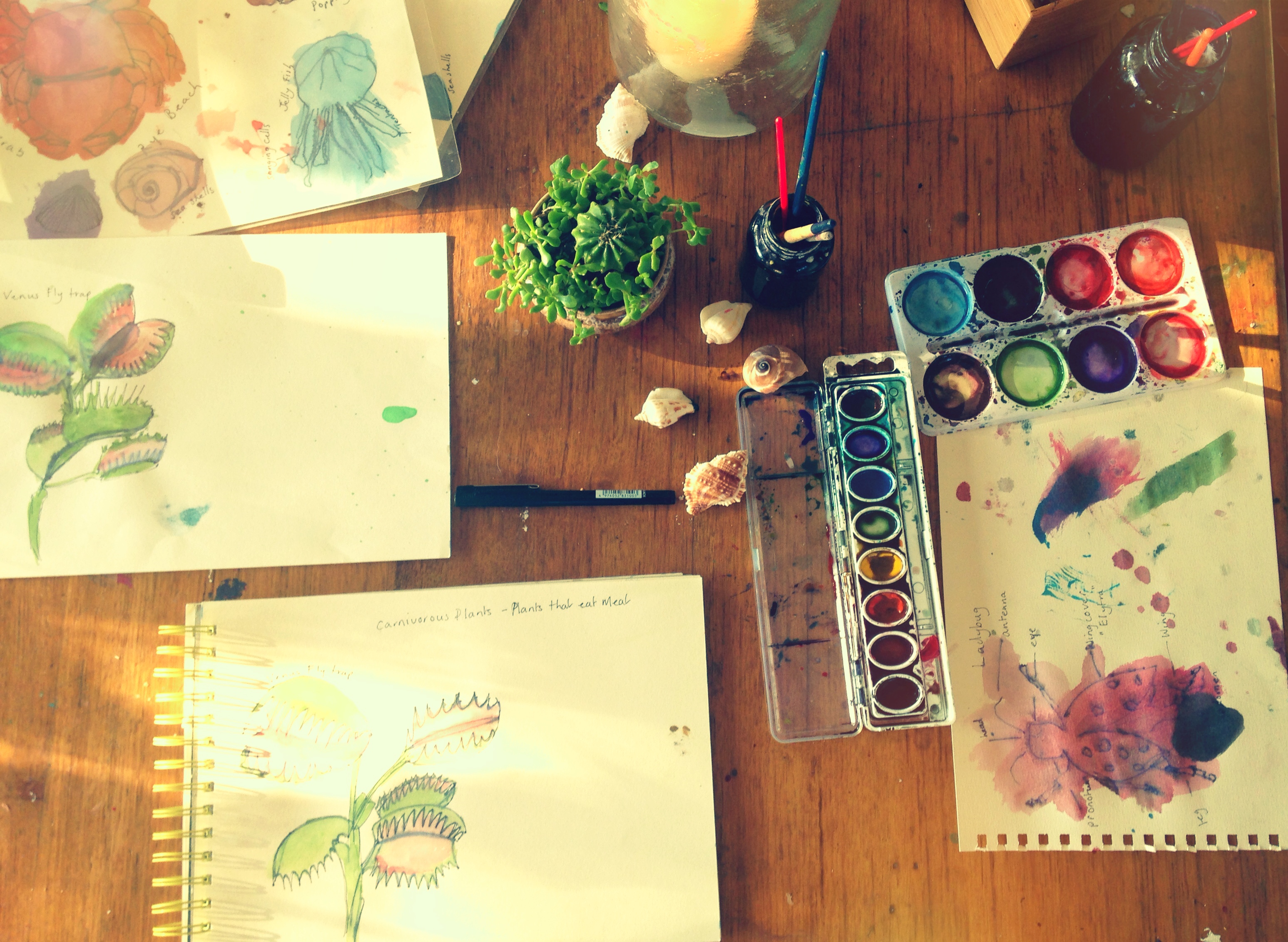
I’m excited about my children’s education for the first time. After spending too many years on opposite sides of the bench with the school system and the education of my older children, it’s a much welcomed relief and an exciting new prospect for us. For the past 2 years i have been endlessly searching for alternative schooling approaches to educate my children that differ from the mainstream system that we so often seem to be hauling our children through. Homeschooling or better still un-schooling has gotten my eager attention. It’s not the conventional way to go, or even the most popular form for alternative ways to educate your children, nevertheless something is swiftly moving us in that direction. And really after having already been down the conventional schooling road before, i’m afraid it leaves little to be desired for at this stage. After researching the array of approaches to begin embarking on the homeschooling journey, it became apparent and with a much welcomed relief that we were already innately flowing to this rhythm of learning. And whist it may seem alternative now, my predicament is, as a society facing the enormities of such neurological diversity we will begin to explore these new learning styles more predominately in the future anyway. Right now, everything we are doing feels right. Moving in the natural flow of the children is easy, much easier than the rush of meeting expected time tables and fitting into a routine that doesn’t really fit with us. Now, we move slowly in the mornings, especially on the stuff that doesn’t really matter, like washing faces and getting dressed. The creativity usually begins before the first cup of tea. Everything is always open, accessible and available, nothing stops or finishes at a certain time.  I know the learning is happening when they wake and look out to see if anything has grown in the garden or changed form while they were sleeping. They notice a bee has taken up residence in the lounge room and they are unbothered by its presence, ensuring me that its alright, because it’s just pollinating our plants. Painting in your pyjamas is normal, brushing teeth at some stage before lunch is alright, imaginary play is unrestrained and  not restricted to any parts of the house, and can take over and last for hours. I can’t emphasis enough how important this kind of play is and how important it is to allow the space in children’s lives for this to happen naturally. We live in a world that is on sensory overload most of the time. Children are losing their way, forgetting how to be without the aid of an electronic device, clouding their minds. I’m seeing it so often now, children are struggling to think of ways to play. They have forgotten this innate wisdom they have been born with and its disturbingly heartbreaking.  Playing this way for us happens often and easily, they listen to each other, contemplate and cooperate together, most of the time my involvement is unnecessary and is kept to a minimal.  The children are happy, excited to wake in the morning and begin their days, they know that they have the unique experience of leading the way on how the day will unfold and its alluring to watch them in the freedom of this space.  It would be hard to imagine now,  a life of rushing them out the door by eight with breakfast on the run to spend 6 hours in a classroom, five days a week.  I’m thinking we have stumbled onto something uniquely wonderful here, un-schooling is undoubtably unorthodox and still really quite seldom, nonetheless we do like the idea of taking the road less travelled.


child-led learning

IMG_6488 IMG_6489 IMG_6486It takes courage to follow your own innate wisdom’s, especially when it concerns more lives than just that of your own.  I have always followed the mantra, when you know better, you do better. I am watching carefully how my children are learning, even how other children i am around are learning also, by simply observing, allowing, and encouraging a child-led process to unfold. This area in my children’s development has become a necessary pursuit and now a passion. When developmental  learning for a child doesn’t play by the generalised rules, it becomes necessary to begin the journey of discovering new ways for the information to be grasped, finding a way for the learning to happen. Our way has come to us on an instinctual level, i simply allow my children to lead the way in their learning,  most of the time and almost every day. It may seem unlikely that we could possibly be covering all the developmental learning targets with children taking the lead however, if we are able to get out of our own way of old views on how things must be done in order to achieve results, we open up a new space of possibility for things to unfold. And children are born knowing what they want and need already.  We know this to be true from babies who cry to have their instinctual needs met.  Nobody teaches a new born how to be hungry every few hours or how to be tired, or how to feel uncomfortable.  We trust babies to tell us what they need, to eventually get their needs met, even without the use of spoken language.  So why is it that we stop trusting them, stop trusting that they instinctively know what it is they are wanting to learn, wanting to know more about?  Maybe it started around the time the first three-year olds began contradicting their parents?  A mass collaborative decision to get things under control before an ensue of outspoken three-year olds possibly unraveled?  What would happen if we continued to trust them, kept them safe and allowed them to lead the direction of what it is they want to know more about. All children are curious we know this to be true. Usually about absolutely everything. This innate curiosity starts to take a certain shape and head in certain directions as they grow. I watched a small boy yesterday, load his 4-year-old arms up with off cuts of wood and lug them down to another part of the play area where he was building.  He continued this process of going back and forth, carrying the wood to his construction site with immense importance and determination. He lay the wood pieces in parquetry style, perfectly creating  a flat image of a house plan from his imagination. What was remarkable to me was that he was constructing this project in amongst a highly distracting group of twenty or so four-year olds. I wondered what would have happened if he was left to remain focused on his project for sometime, and given the opportunity to further explore this creative venture, with access to tools and supplies. Who knows what would have become of his fabrication. This is child-led learning. This is the perfect example of a child who clearly has an interest in construction. All sorts of learning can be applied to his choice of project, maths and geometry, comparing and measuring all of which can be explored. Creative thinking, conceptualisation, problem solving and independence all play a large role in a project such as this. Most importantly you will have the desire, willingness and enthusiasm of the child. Isn’t this ideal? Children learning in a way, that allows them to set their own course, a direction of learning where we are simply not filling them with masses of information that they cannot relate to, or have little interest in learning about and possibly will never again use in their lives. Of course, when we leave the education system as young adults we usually once again return to learning more naturally.  When we want to know more about a topic or subject, we begin the process ourselves. Technology allows us to research and explore information on just about anything we want to know about.  We pursue our interests, and intern continue the process of learning by our own innate wisdom once again.

intentionally moving off the path

Asperger would often just sit with the children, reading poetry and stories to them from his favourite books. “I don’t want to simply ‘push from the outside’ and give instructions, observing cooly and with detachment,” he said ” Rather, I want to play and talk with the child , all the while looking with open eyes both into the child and into myself, observing the emotions that arise in reaction to everything that occurs in the conversation between the two of us.”

-NeuroTribes, Steve Silberman

IMG_6164 IMG_6166 IMG_6167 IMG_6168 IMG_6169 IMG_6177 IMG_6176 IMG_6175 IMG_6178 IMG_6179

This is how i want my children to learn, i want to be the observer not the dictator to their curious and instinctual  minds. I want to watch what they are drawn to, and where they take themselves naturally when provided the space, opportunity and environment to do so. I don’t want them ever to become accustomed to what is perceived as normal or abnormal about themselves in a class room, by the  opinions that are deciding where they sit on some grand scale of intellectual competence.  Children are loosing their natural flow. They are being denied the access to learn by  instinctively following from their own interests, a naturally occurring process that is inherent to everyone.  There is no room for individual self-directed learning anymore.  Instead they are being shaped and moulded, and filled with information about things that are meant to support them in their lives, but really have nothing to do with their life at all.  By the time they are reaching high school it’s all but gone. Thats when it really becomes prevalent to what is happening. It is then that they too  begin to realise the sad truth of how little they matter in the system, how small their voices are, unless of course they have an exceptional skill that can offer some personal gain to the school.  It becomes entirely about working hard, retaining the masses of information, memorizing as opposed to learning, endless testing and our children tirelessly keeping pace, trying to  prove themselves over and over again.  It is about them illogically having to have their whole life plan set out before them, at the tender age of sixteen.   This is not the learning we are striving for. The learning we strive for is one that doesn’t require forcing information upon them with the expectation that they retain it and then perform it back in some way, as proof of a job well done. My children are learning to count, I know this.  I hear them practicing all the time, for their own pleasure.  I have also watched them refuse to count on demand or worse feel so under pressure, to prove themselves that they simply can’t.  Testing children is much the same. It fills them with dread, panic and insecurity, and really is no way to conclude where a child’s level of understanding is really at. Testing children in this country in the educational systems is out of control.  We test everything, even how fast they can run, in ‘beep tests’. This has nothing to do with nurturing the physical health of our children, or guiding them towards naturally being aware of how to take care of their own bodies, and everything to do with competition and adequacy verses inadequacy.  Never before in our history has  the pressure to perform been so rampant, you have to wonder how much learning is actually taking place.   We are living in a time where we are now recognising the expansive neurological diversity amongst ourselves, more than ever before, and the educational options to cater for the diversity in our children’s differences is few. Parents are wanting a new approach, they are wanting individual learning styles for their children as they are uniquely learning individuals. They are recognising that many children cannot learn effectively in a traditional school environment anymore.  With the number of children being diagnosed with learning differences it is inevitable that something will have to change. There is simply no one size fits all model that can be followed effectively anymore.


IMG_6096 IMG_6098 IMG_6099 IMG_6100 IMG_6102 IMG_6103 IMG_6104 IMG_6105 IMG_6107 IMG_6106 IMG_6108 IMG_6112 IMG_6110 IMG_6111 IMG_6115 IMG_6116 IMG_6097

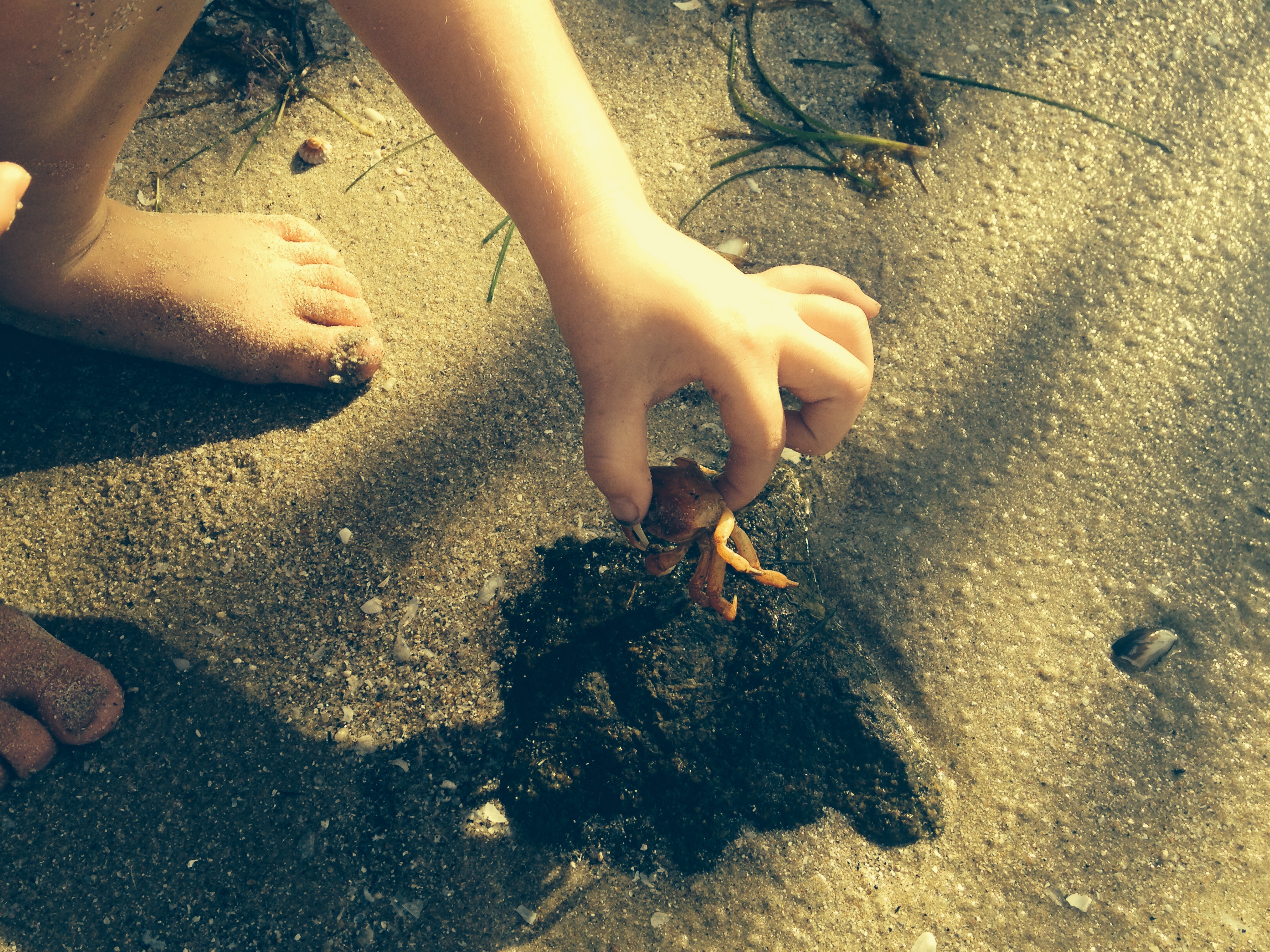
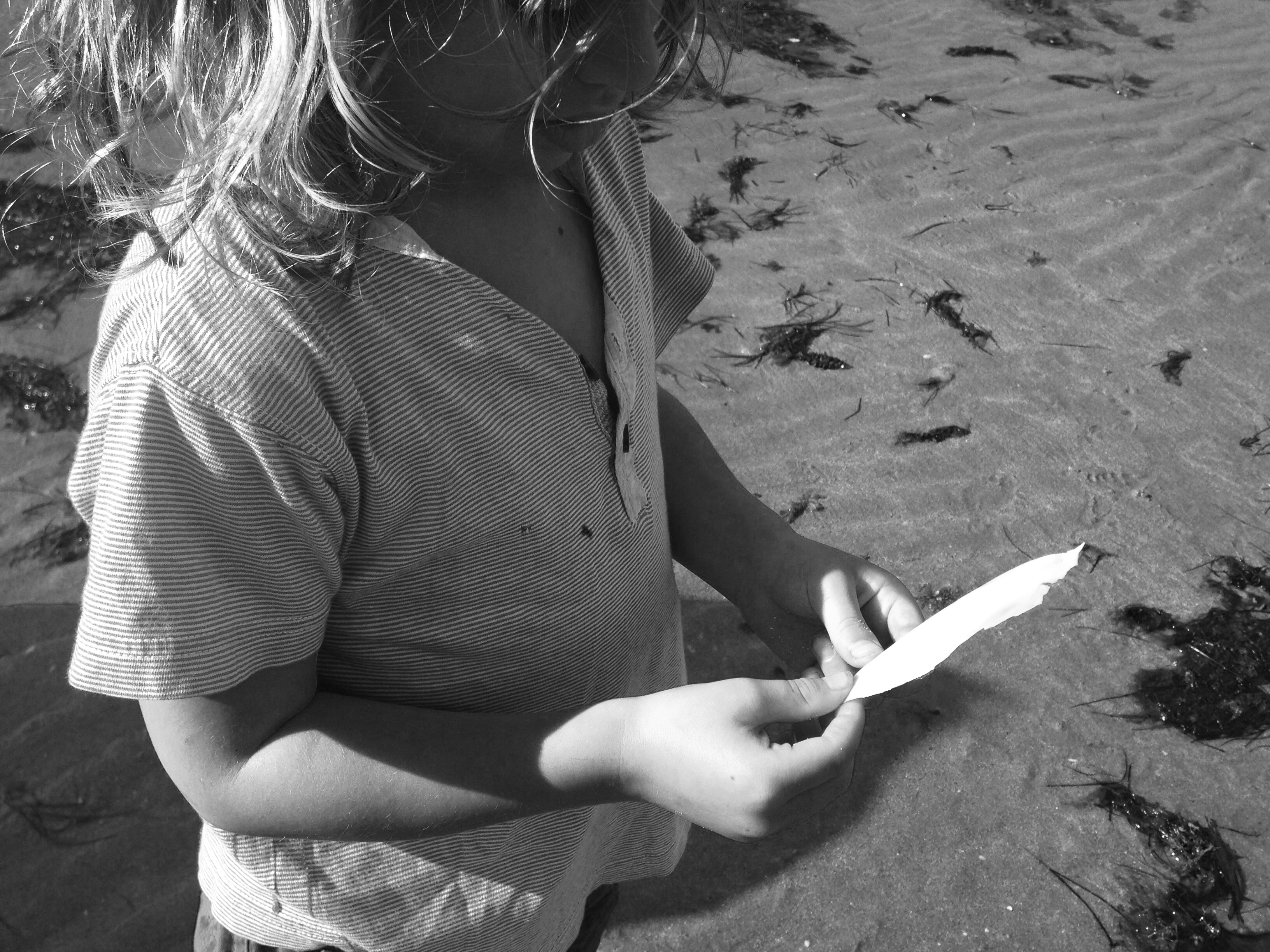
We have been enjoying what could be the final warm days before winter approaches. Our beach explorations are almost a daily ritual now. I imagine we will just trade our  bare feet for woollen beanies and gumboots and continue on through the colder seasons, rather than forgoing this regular adventure we have become so accustomed to. There is so much discovering and learning to be done right beneath our feet. This place we now call home has become the learning ground for us all, full of science and biology, life and language. On this day, alone we see crabs that have died recently still full of colour and shape allowing little curious minds study  them closely to see if any signs of life remain. They ponder over a washed up skeletal shell that has been floating in limbo, now resembling little to who it once was, prompting questions of life, bodies and where we go when we are no longer here encompassing our shells? We play with seaweed that pops water when you squeeze it, discover jelly fish and intensely investigate their tentacles.  Learning this way, is peaceful, it flows to a beautiful life rhythm that can’t be obtained in the class room or from behind a desk. It is here that our children are learning about real life and cycles, growth and change. They are absorbing everything and anything that interests them, with minds like sponges. They are leading the way in their learning  right now, deciding what they want to know more about,  its they way we would like it to remain, it’s the way i believe it should be. For now this is the way we will move, it’s the way that serves the children the best. We will learn, create and discover the world around us hands on, and endeavour to grow and evolve and nourish our humble, inquisitive little people on their journey.