
A philosophy of tracing
This TRACING / from before the sign / I will never cease to see in it / what no gaze / would it be mine / will ever see • the human is there / perhaps / quite simply / with no one in the end / without voice • those / TRACINGS / are from my hand which borrowed the manner of handling / the style of this janmari who speaking is not • and everything that I can write from this / TRACING that all the writings of the / world have no chance of drying up. (Deligny, 2007: 813; quoted and translated in Alvarez de Toledo, 2013: 5)

I am exploring wander lines. trying to move away from neurotypical thought processes to a wider less structured thought way. I am trying to not think in straight lines, like my son and my eldest daughter, they don’t think in straight lines.
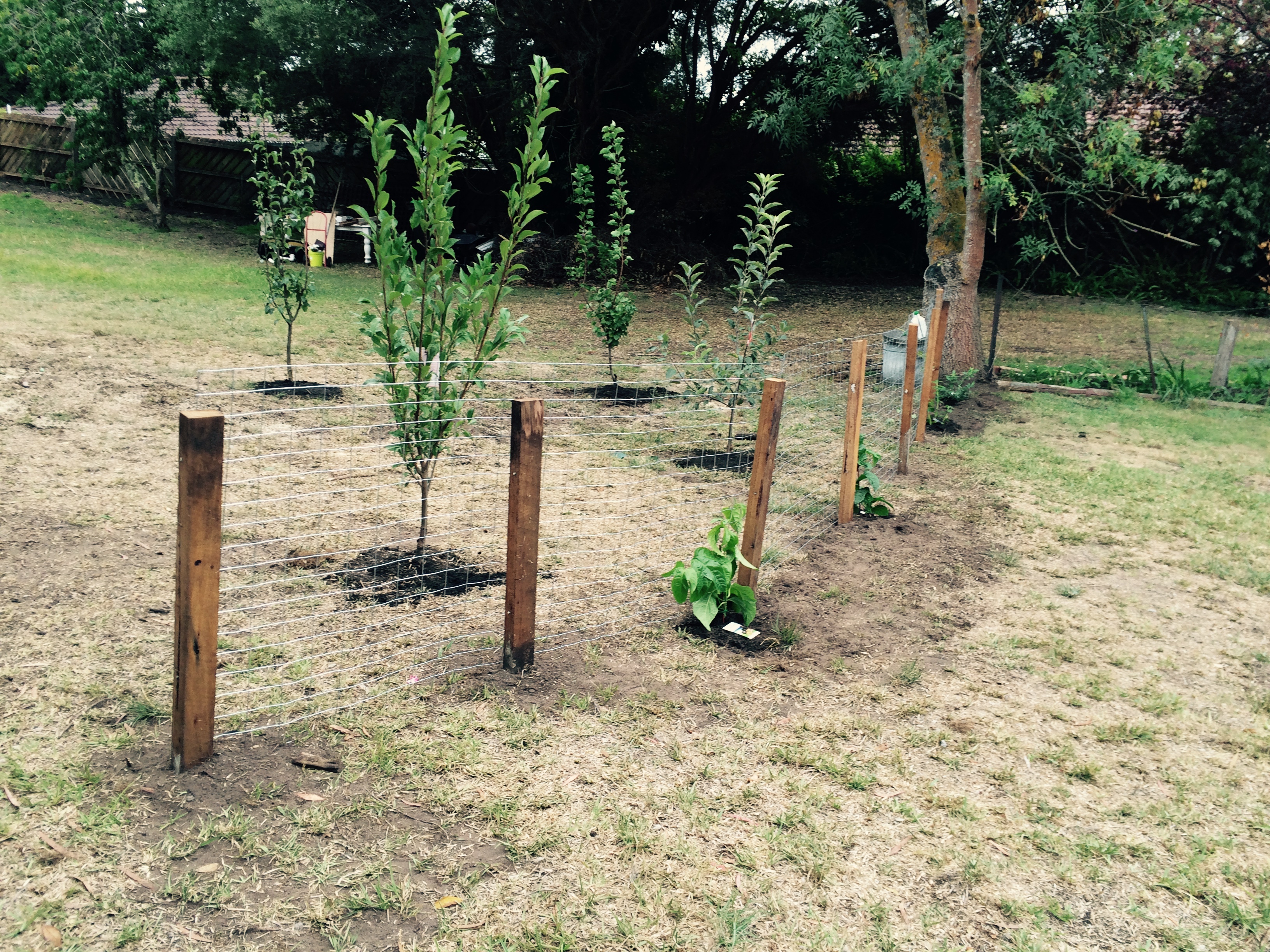
I was leaving early on a Saturday morning to head to a farmers market. It’s always a big day, a big drive there and back. As i was heading our down our driveway i was stopped by fallen trees laying across my access. This was a big deal, they would have to be moved and i was annoyed that i was the one having to do it. From closer inspection it would require a chainsaw, not an easy task for this moment and for one person. I worked in slight annoyance, internally voicing my frustrations at the inconvenience, which could have been tended to yesterday. Why didn’t she say this needs to be cleared, she knew that it was mess, she knew because she walked over it to check the mail. Why didn’t she say you won’t be able get through tomorrow. I was having a self indulgent early morning rant to myself.
Nevertheless I was able to clear the path, remove the trees and branches and the nuisances that were ailing me and was on my way to the farmers market. All was well. On my drive I calmed. Breathed. And there it was. I understood the need for the early morning obstruction. The obstruction was not in the fallen trees on my path, it was in the obstruction of my thinking of how she thinks. Yes, she knew about the fallen trees, yes she mentioned them in an incidental way, but she wasn’t thinking in straight lines. She doesn’t think in straight lines.
I had been pondering on Deligny and his maps of wandering lines. I was wanting to understand this more, explore it from new spaces within my own thinking. I was wanting to see it in movement, thoughts in processes not travelling on straight lines. It seems someone was listening.
The straight line process would have been to notice the fallen trees and say we need to move them before tomorrow morning. It would have been to work together and have the driveway cleared for access again in the morning. But that’s straight line thinking, neurotypical line thinking. Its thinking- action-result kind of thinking. Its thinking that has been educated, indoctrinated, cultured into us like good manners. Its viewed as rational and necessary, as normal.
But it starting to feel false. As though by thinking in such ways we are denying something else. Perhaps something is becoming lost within us, within this process, something innate, ancestral, something that offers more to the experience we are having. We are not seperate from our experiences. My fallen trees were my lesson here. It would seem as though they were a cleverly planned obstacle placed within my path, within my thinking of things. They were my obstruction of thought and became an invitation to think of things from wandering lines.
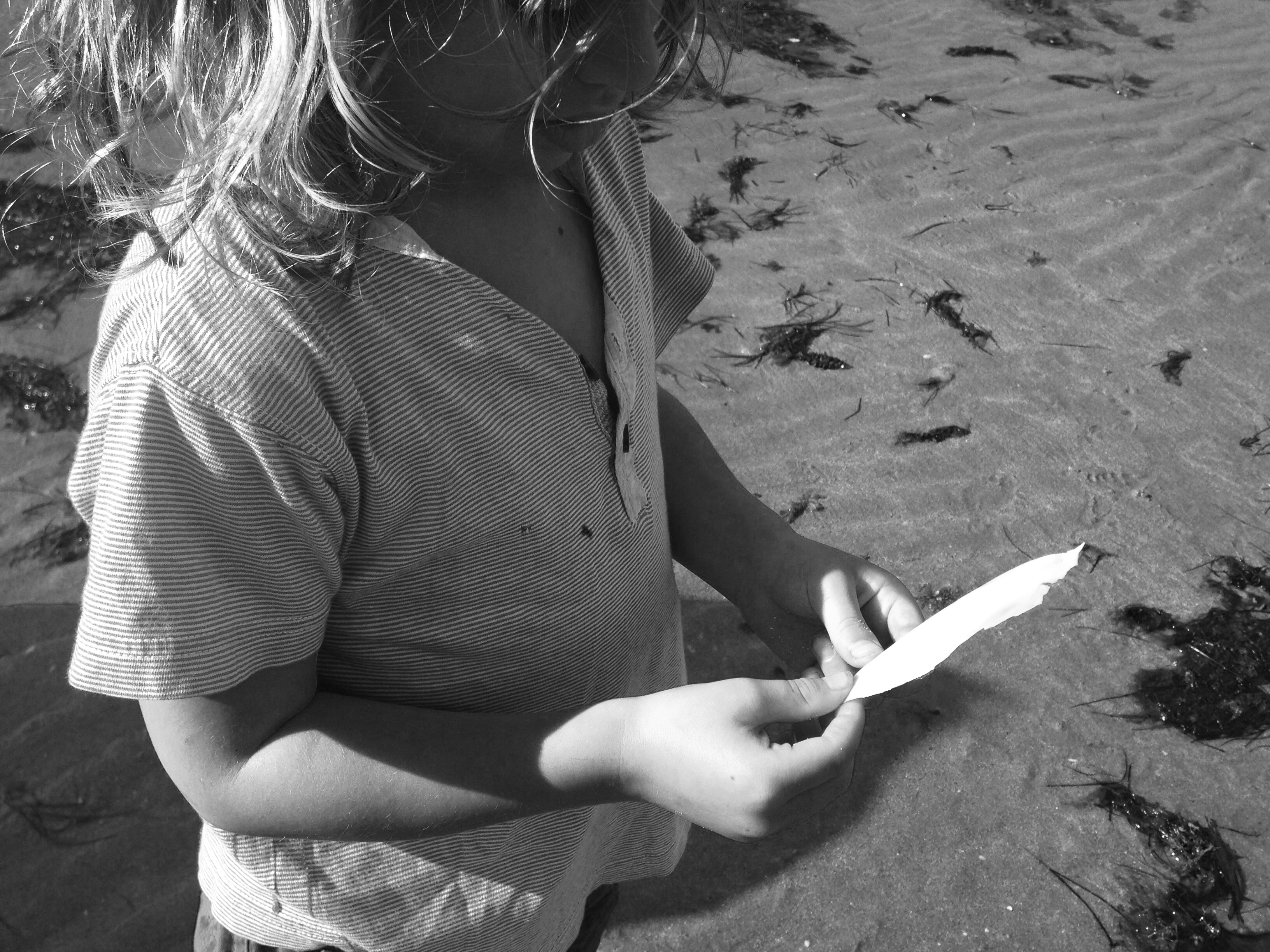
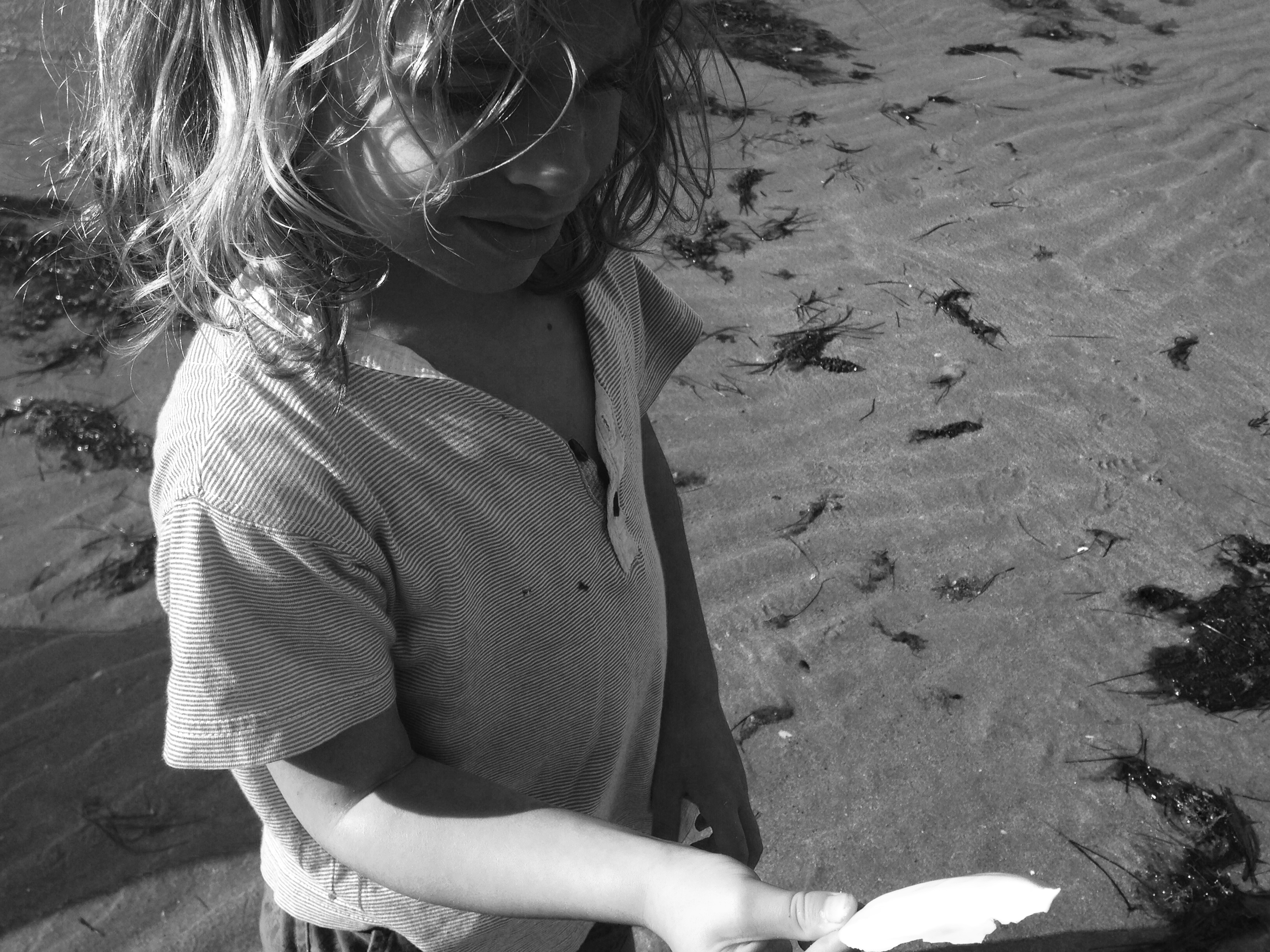
Deligny clearly recognised this in his working beside non-verbal autistic children. What can be lost within the language of words. It reminds me of my son when he was small. He didn’t talk with words until he was four. We had to understand each other in other ways, by other means. We had to feel into these places. I had to remind myself that i can know him from here, just as a mother understands her newborn babe, words become so unnecessary from this space.
..that touches us without our knowing why, a touching that occurs not through the effects of language but beyond, where “something that cannot be seen” exists, something ineffable but nonetheless “immediately felt” (Deligny 1990).
My son thinks in wandering lines. He has his own maps of thought. They make little sense to the indoctrinated typical mind. They aren’t clear, they don’t stay in one place, they cross space-time- realities. Yet when i listen, really listen, his anarchy of thought makes way for contemplative thought, they invite possibility, maybe not always in this place, or in this time, or even this universe but what he chooses to use his voice for is stories of happenings and who am i to determine such things as real or not.
carly























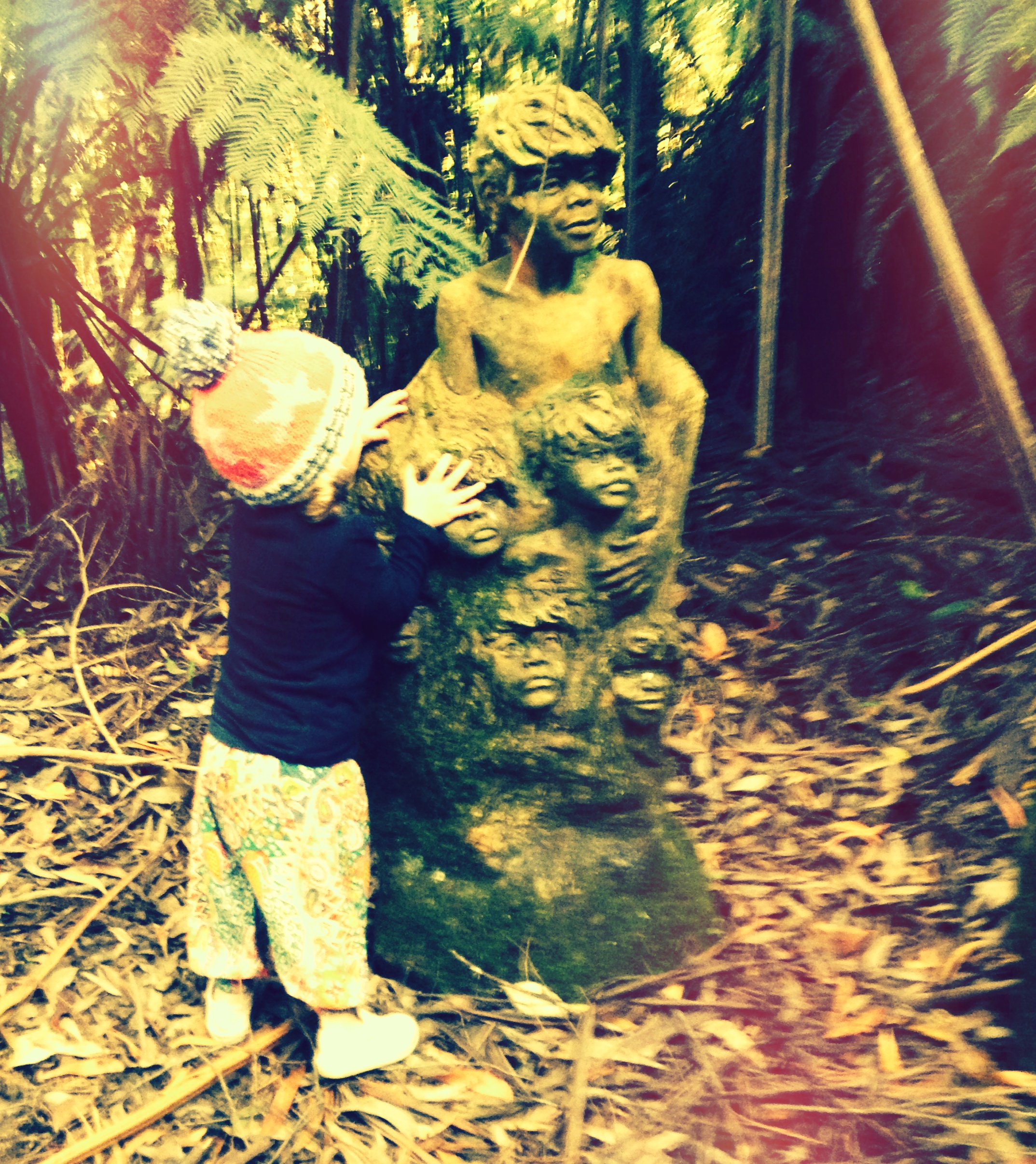



 St GEORGIA & Boo